Late Withdrawal Disrupts UFC Card, Highlights Operational Resilience in Combat Sports
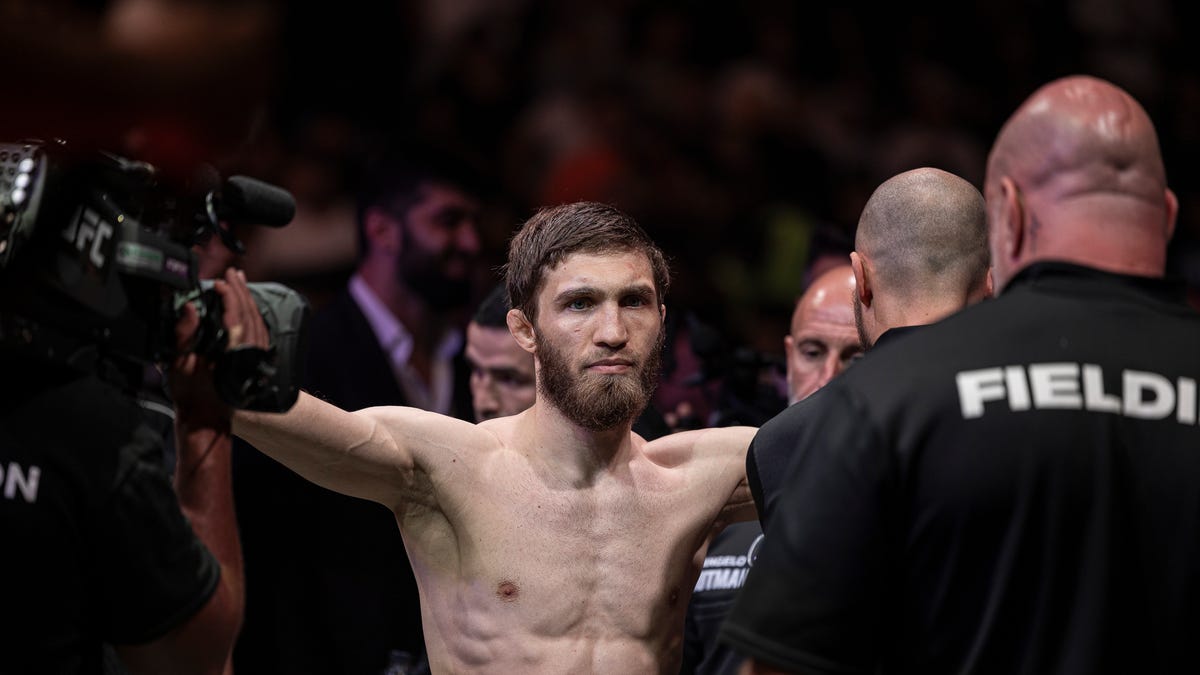
The upcoming Ultimate Fighting Championship (UFC) event, identified as UFC Vegas 113 and UFC Fight Night 266 in preliminary reports, has undergone a significant lineup change. The adjustment follows the withdrawal of competitor Said Nurmagomedov, a high-profile athlete with established family connections within the sport, just days before the scheduled event. The late nature of the change underscores the structural and logistical complexities inherent in high-level sports promotion, where sudden adjustments are necessary to maintain event integrity and scheduling.
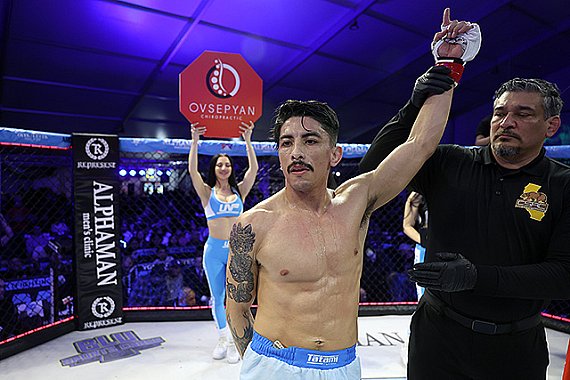
Reports indicate that Nurmagomedov’s withdrawal led to a late scramble to secure a replacement fighter. The new matchup now features Javid Basharat, the original opponent, facing newcomer Gianni Vazquez. While last-minute changes are a recurring feature of combat sports, the timing of this particular withdrawal—occurring hours before fighters were scheduled for weigh-ins—highlights the short window available for both promoters and athletes to adapt.
The Logistical Complexity of Last-Minute Fighter Replacements
Fighter withdrawals shortly before an event pose significant logistical challenges for a promotion like the UFC. A typical fight card is constructed through a precise process involving contract negotiation, medical screenings, and strategic matchmaking to create compelling matchups for different weight classes. When a fighter withdraws, particularly from a main or preliminary card bout, the promotion must immediately initiate a crisis management protocol.
The primary objective is to maintain the card’s integrity and value. This involves finding a replacement fighter on extremely short notice. The process of securing a new athlete requires rapid communication with management teams, verification of availability and readiness, and ensuring that the replacement fighter meets all medical and contractual requirements in a compressed timeframe. For a professional athlete, short-notice participation requires a high degree of physical conditioning and mental preparation, often bypassing traditional training camps that last several weeks or months.
Beyond the athlete selection process, a last-minute change impacts the logistical ecosystem surrounding the event. This includes re-scheduling travel and accommodations, adjusting broadcast schedules to reflect the new matchup, and communicating updates to both ticket holders and broadcasting partners. The successful navigation of these logistical hurdles demonstrates the operational capacity and infrastructure required to manage high-frequency sporting events under high pressure.
Strategic Implications for Promotion and Fighter Management
A withdrawal by a competitor with a prominent family name, as noted in the source material, carries distinct implications for event marketing and public perception. While a prelim fight may not have the same immediate financial impact as a main event cancellation, the withdrawal of a fighter from a well-known family can affect media narratives and fan interest. The promotion must mitigate potential reputational damage by swiftly replacing the athlete with a suitable competitor to maintain the perceived quality of the event.
From a strategic standpoint, event promoters often maintain a roster of potential short-notice replacements. These athletes may not have a fight currently scheduled but remain in training, ready for a potential opportunity to enter a high-profile event. The selection criteria for replacements prioritize reliability, immediate availability, and a suitable fighting style to match the remaining opponent. This strategic pool of reserve fighters is essential for event continuity and financial risk management.
Impact on Fighter Preparation and Career Trajectories
The late withdrawal creates specific challenges for Javid Basharat, the remaining fighter on the card. Training camps for professional combat sports are highly individualized and opponent-specific, often involving extensive research into the opponent’s style, strengths, and weaknesses. A change in opponent just days before the event forces the remaining fighter to discard weeks of strategic preparation and adapt to a completely different set of variables. This requires significant mental fortitude and tactical flexibility to succeed under pressure.
For the replacement fighter, Gianni Vazquez, entering the card on short notice presents both significant risk and potential reward. While the athlete may not be in peak, camp-specific condition, a successful performance in a high-profile setting can rapidly accelerate career progression. Short-notice opportunities often provide a pathway for lesser-known athletes to gain exposure and secure future contracts with major promotions. Conversely, the high stakes and lack of preparation time can lead to a less optimal performance, potentially impacting future career opportunities.
The Media Landscape and Information Dissemination
In the modern media landscape, news of event changes and fighter replacements is disseminated rapidly through dedicated outlets. The report originating from MMA Latinoamerica, as referenced in the source material, highlights the role of specialized sports journalism in providing timely updates to fans and stakeholders. The reporting of these changes in real-time is crucial for informing fans, adjusting betting lines, and ensuring transparency regarding the final card structure. This media function serves to manage expectations and provide context for the changes impacting the event.
Conclusion: Institutional Resilience and Adaptability
The late withdrawal of Said Nurmagomedov and the subsequent replacement with Gianni Vazquez exemplify the constant state of adaptability required in professional combat sports promotion. While a disruption to the event card presents challenges for all parties involved—promoters, athletes, and media partners—it also demonstrates the institutional mechanisms in place to mitigate these risks. The ability to quickly secure a replacement and proceed with the event in a professional manner showcases the operational resilience of the organization and the readiness of athletes prepared to seize short-notice opportunities.