Team USA Announces Flag Bearers for 2026 Winter Games Opening Ceremony
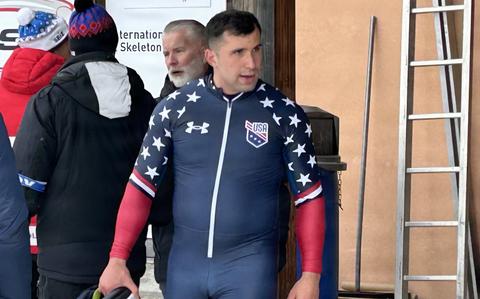
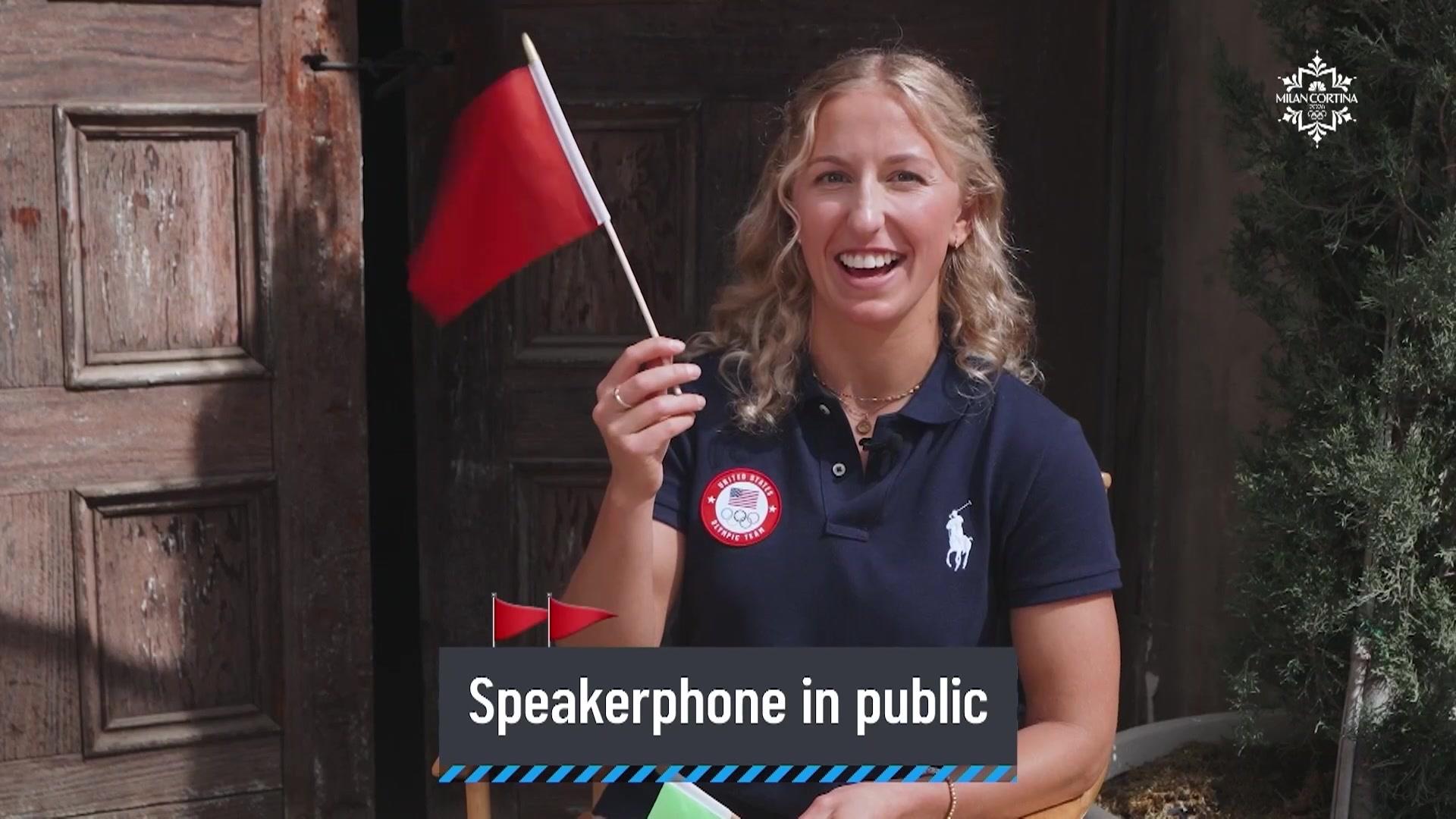
Army Sgt. Frank Del Duca, a bobsled pilot, and a speedskater have been chosen as the U.S. flag bearers for the opening ceremony of the 2026 Winter Olympics in Italy. The selection of a duo, representing two distinct athletic disciplines, follows a process common to national delegations, where the honor of carrying the flag symbolizes not just athletic achievement but also the collective values of the team and nation. The athletes will lead Team USA during the Parade of Nations at the ceremony in Italy on Friday, marking a highly visible moment of national representation.
The Institutional Significance of Flag Bearer Selection
The role of the flag bearer at the Olympic Games transcends individual athletic accomplishment; it functions as a critical component of national identity and public relations strategy for participating nations. The individual or individuals chosen act as the visual embodiment of the entire delegation and its values during the Parade of Nations, an event designed to celebrate global camaraderie and national pride within the Olympic framework. This selection process is often highly scrutinized by media and the public, as it reflects internal team dynamics, strategic priorities, and cultural representation.
National Olympic committees, such as the organization governing Team USA, establish specific selection protocols to determine who receives this honor. These processes are designed to be democratic, typically involving a vote among the athletes themselves or a designated committee within the delegation. The choice is often a balancing act, weighing factors such as seniority, leadership qualities, respect from peers, and representation across various sports disciplines. Selecting athletes from different sports, in this case, a bobsledder and a speedskater, ensures that the honor reflects the diversity of the team rather than focusing solely on a single high-profile sport.
The selection process itself is a key element of governance within the Olympic movement. It requires national committees to mediate between internal team sentiment and external media visibility, ensuring that the chosen individual aligns with the organization’s broader strategic goals. The decision to select specific athletes for such a prominent role can also carry significant weight regarding sponsorship and public image, though the primary justification remains tied to athletic integrity and internal team recognition.
The Structural Role of Military Athletes in National Delegations
The selection of Army Sgt. Frank Del Duca introduces a crucial institutional dimension regarding the relationship between national military structures and elite athletics. Many nations, including the U.S., maintain programs specifically designed to allow active-duty service members to pursue high-level athletic competition. This model integrates national defense with athletic representation, providing a pathway for individuals to continue serving while training for the Olympics.
These programs provide a structural framework for military personnel to maintain their status and salary while training as full-time athletes. This arrangement offers significant advantages to the athletes, including access to specialized facilities, medical support, and financial stability, which are often difficult to maintain for athletes in less funded sports. The presence of military personnel on national teams also holds symbolic value, connecting athletic excellence with military service and national pride in a highly visible manner. It positions the athletic achievements of these individuals as a source of national prestige and potentially enhances recruitment efforts.
The institutional support from military organizations ensures that talented individuals like Sergeant Del Duca can compete at the highest international level without having to choose between their service commitment and their athletic aspirations. The selection of a military athlete as a flag bearer highlights this unique intersection, reinforcing the idea that military service is compatible with high-performance sport and potentially elevating the profile of these military support programs.
The Geopolitical Context of the Opening Ceremony
The Parade of Nations and the subsequent opening ceremony serve as significant platforms for international relations and cultural diplomacy. The event in Italy provides a stage where national identity is presented to a global audience. The selection of the flag bearers, therefore, operates within a geopolitical context, where national teams act as non-political representatives of their countries. The careful orchestration of the ceremony by the host nation and the International Olympic Committee (IOC) ensures that the event emphasizes unity and cooperation among nations.
For Team USA, the selection of flag bearers is a strategic decision that factors into its public image both domestically and internationally. The individuals chosen are expected to represent a set of values—such as resilience, teamwork, and patriotism—that resonate with both the domestic audience and international observers. The opening ceremony itself is a meticulously managed media event, where the flag bearers are among the most photographed and televised figures, making their selection a high-stakes decision for national sports governance bodies.
Sustaining High-Level Performance Across Diverse Disciplines
The selection of a bobsled pilot and a speedskater highlights the organizational complexity of managing a large, multi-sport delegation. National Olympic committees oversee numerous National Governing Bodies (NGBs), each responsible for a specific sport (e.g., U.S. Speedskating, U.S. Bobsled/Skeleton). These NGBs operate independently in many respects, managing their own selection processes, funding models, and training programs.
The role of the central national committee is to unify these disparate sports into a single team for major international events like the Winter Olympics. The flag bearer selection process is one of the key mechanisms used to create this sense of unity. By selecting representatives from different NGBs, the central committee reinforces the idea of a cohesive Team USA, rather than a collection of separate sports federations. This structure requires significant coordination to ensure consistent standards, ethical guidelines, and logistical support for all athletes, regardless of their sport’s individual funding or public visibility. The honor of carrying the flag serves as a public acknowledgment of the contributions from diverse sports within the delegation.
This unified approach ensures that less high-profile sports receive equal recognition during the most prominent media event of the games. The selection process, therefore, is a strategic tool for managing internal delegation politics and promoting the full breadth of athletic endeavors under the national banner.
The Athlete Journey and Institutional Support
The selection of Del Duca, in his second Olympics, provides insight into the long-term career trajectory of elite athletes and the sustained institutional support required for high performance. For athletes competing at multiple Olympic Games, the path often involves years of dedication, financial sacrifice, and navigating complex institutional structures. The fact that he represents a sport like bobsled, which relies heavily on funding for equipment and facilities, underscores the importance of institutional backing from organizations like the military and the national governing bodies.
The selection process for flag bearers often recognizes athletes who have demonstrated consistency and leadership over multiple Olympic cycles. This recognizes that sustained excellence, rather than a single peak performance, reflects the deep commitment and resilience that national committees wish to celebrate. The institutional framework supports these athletes throughout their careers, providing stability that allows them to remain competitive at the highest level, culminating in honors like being chosen as a flag bearer.
Conclusion: The Broader Implications of National Representation
The selection of the U.S. flag bearers for the 2026 Winter Olympics opening ceremony is not merely a ceremonial announcement but a structural statement on national priorities and team governance. It underscores the importance of the military-athlete relationship in high-performance sports and the role of national Olympic committees in unifying diverse sports under a common identity. The choice highlights the institutional processes that prioritize both athletic excellence and peer leadership, setting the stage for the highly anticipated international event in Italy and symbolizing national values on a global platform.