Warriors Initiate Trade Discussions for Long-Serving Forward Draymond Green
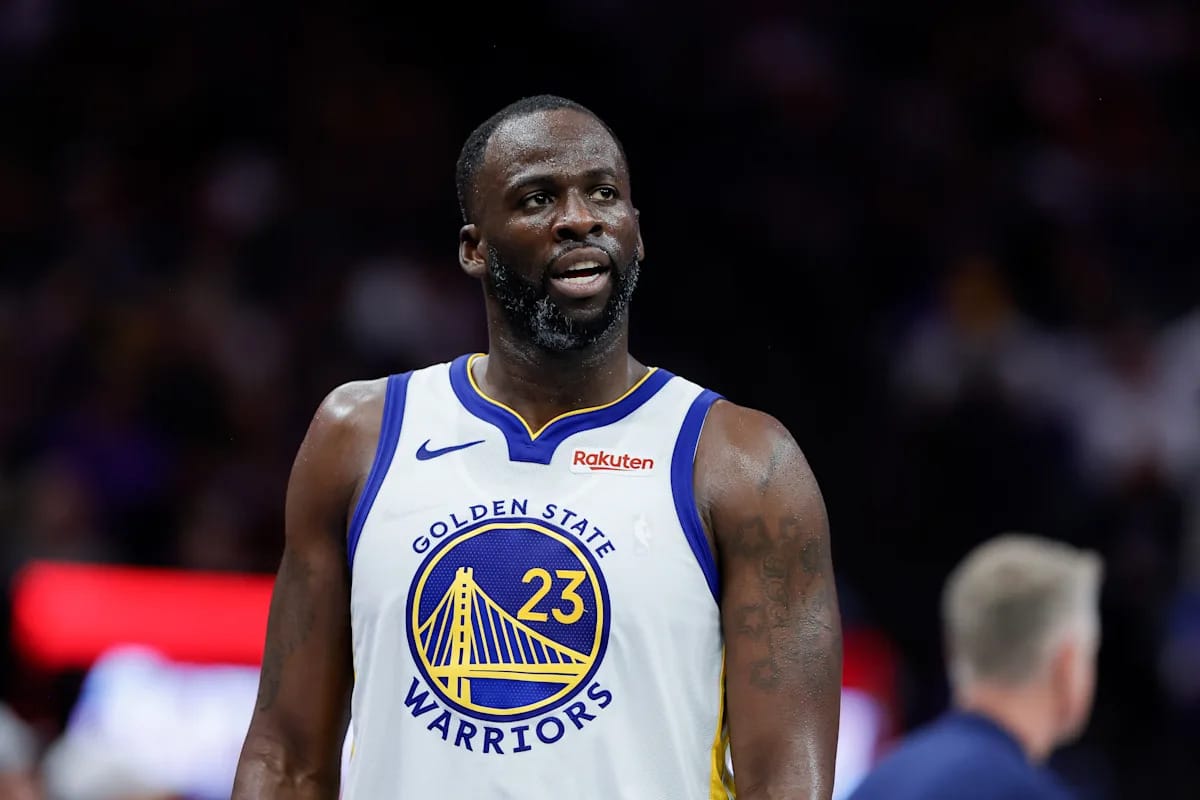
The Golden State Warriors have reportedly engaged in active trade conversations concerning veteran forward Draymond Green, as informed by league sources to ESPN. These discussions, occurring in advance of the crucial Thursday trade deadline, place Green’s extensive 14-season tenure with the franchise in a state of uncertainty.
This development underscores the complex administrative and strategic considerations inherent in professional sports, particularly within the National Basketball Association (NBA). The period leading up to the trade deadline represents a critical juncture for all franchises to evaluate their competitive standing, roster composition, and long-term strategic objectives.
The Institutional Framework of NBA Trade Deadlines
The NBA trade deadline functions as a pivotal structural element within the league’s annual calendar. It provides a formal window for teams to execute player transactions, allowing for mid-season adjustments to rosters based on performance, injury, or evolving strategic priorities. This process is governed by a detailed set of league rules and collective bargaining agreement provisions, which dictate permissible trade structures, salary matching requirements, and player eligibility.
Trade conversations, such as those reportedly involving Green, typically entail intricate negotiations between the front offices of multiple teams. General managers and their staffs analyze player contracts, potential salary cap implications, and the value of draft assets or other players to construct mutually beneficial agreements. These discussions are often confidential until finalized, reflecting the competitive nature of team building and asset management.
The involvement of league sources in reporting these discussions highlights the integral role of sports journalism in covering professional leagues. Reputable news organizations like ESPN frequently rely on anonymous sources within team management or player agencies to provide insights into these sensitive and strategically significant negotiations, ensuring public awareness of potential roster changes.
Player Tenure, Contractual Dynamics, and Future Mobility
Draymond Green’s reported involvement in trade talks, particularly given his 14-season association with the Warriors, brings into focus the evolving dynamics between long-serving players and franchise management. While deep historical ties often characterize such relationships, professional sports ultimately prioritize strategic team-building and competitive advantage, which can necessitate difficult roster decisions, even regarding iconic figures.
Player contracts form the fundamental basis for all transactions within the NBA. The duration and financial terms of a player’s contract significantly influence their trade value and the feasibility of potential moves. These contractual mechanisms dictate the extent of team control over a player and the financial commitments involved for any acquiring team, shaping the landscape of trade possibilities.
Furthermore, reports suggest that should Green be traded to a team like the Milwaukee Bucks, that may not necessarily represent his final destination for the 2025-26 NBA season. This scenario illustrates the fluid nature of player movement within the league, where an initial trade can be part of a larger, multi-stage strategy. Teams may acquire a player with the intent of subsequently re-routing them to another franchise, using them as an asset in further transactions to optimize their roster or acquire future draft capital.
Such potential for subsequent trades underscores the continuous assessment of player value and fit within the broader market. It reflects a strategic approach by franchises to leverage contractual assets and market demand, thereby enhancing long-term team competitiveness. These decisions are often informed by player preferences, team salary cap situations, and overall league strategy, even if not explicitly stated.
The Human Element Amidst Strategic Shifts
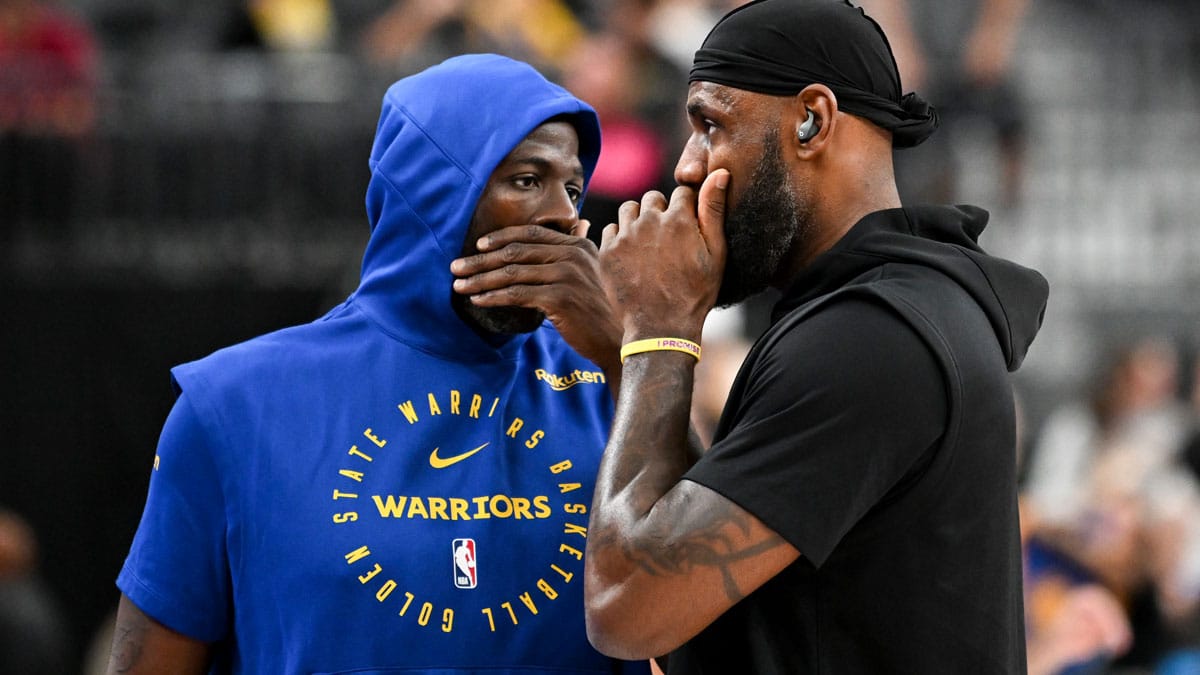
In response to the uncertainty surrounding his future, Draymond Green reportedly commented after what might have been his final game with the Warriors, stating, ‘If it ends, what a f***ing run it’s been.’ This candid personal statement offers a window into the human dimension of professional sports, where individuals navigate significant career transitions under intense public scrutiny.
Such remarks, while personal, become an integral part of the public narrative surrounding player movement and team dynamics. They underscore the emotional investment players make in their franchises and the inherent uncertainty that accompanies trade discussions, even for established veterans who have contributed significantly to a team’s legacy. It highlights the often-stark reality that even long-standing relationships can be subject to the strategic imperatives of franchise management.
The public acknowledgment of a potential departure, even in a conditional manner, reflects a recognition of the transactional realities of the league. It demonstrates how players, like franchises, must adapt to changing circumstances, acknowledging that career paths in professional sports are rarely entirely predictable or stable, regardless of past achievements or loyalties. This public sentiment provides a critical counterpoint to the purely transactional nature of trade negotiations.
Structural Significance and Strategic Imperatives
The unfolding situation with Draymond Green and the Golden State Warriors is highly significant within the broader institutional context of the NBA. It exemplifies the relentless drive for competitive advantage that characterizes professional sports, often requiring franchises to make difficult decisions that balance historical allegiance with future success. The trade deadline serves as a critical period for these strategic realignments.
This event highlights the intricate interplay between team management, player contracts, and extensive media reporting, which collectively shape player careers and franchise trajectories. It underscores the constant state of flux and transactional activity within professional sports, where even foundational figures can become subject to market forces and evolving strategic objectives. The absence of absolute certainty in player careers, as Green himself acknowledged, is a fundamental aspect of this dynamic environment.
Ultimately, these trade discussions represent a microcosm of the continuous strategic evaluations undertaken by professional sports organizations. They demonstrate how teams navigate complex variables—including player performance, contractual obligations, and market opportunities—to optimize their rosters. The outcome of such negotiations can profoundly influence a franchise’s immediate competitive standing and its long-term strategic direction, reinforcing the high stakes involved in these administrative processes.