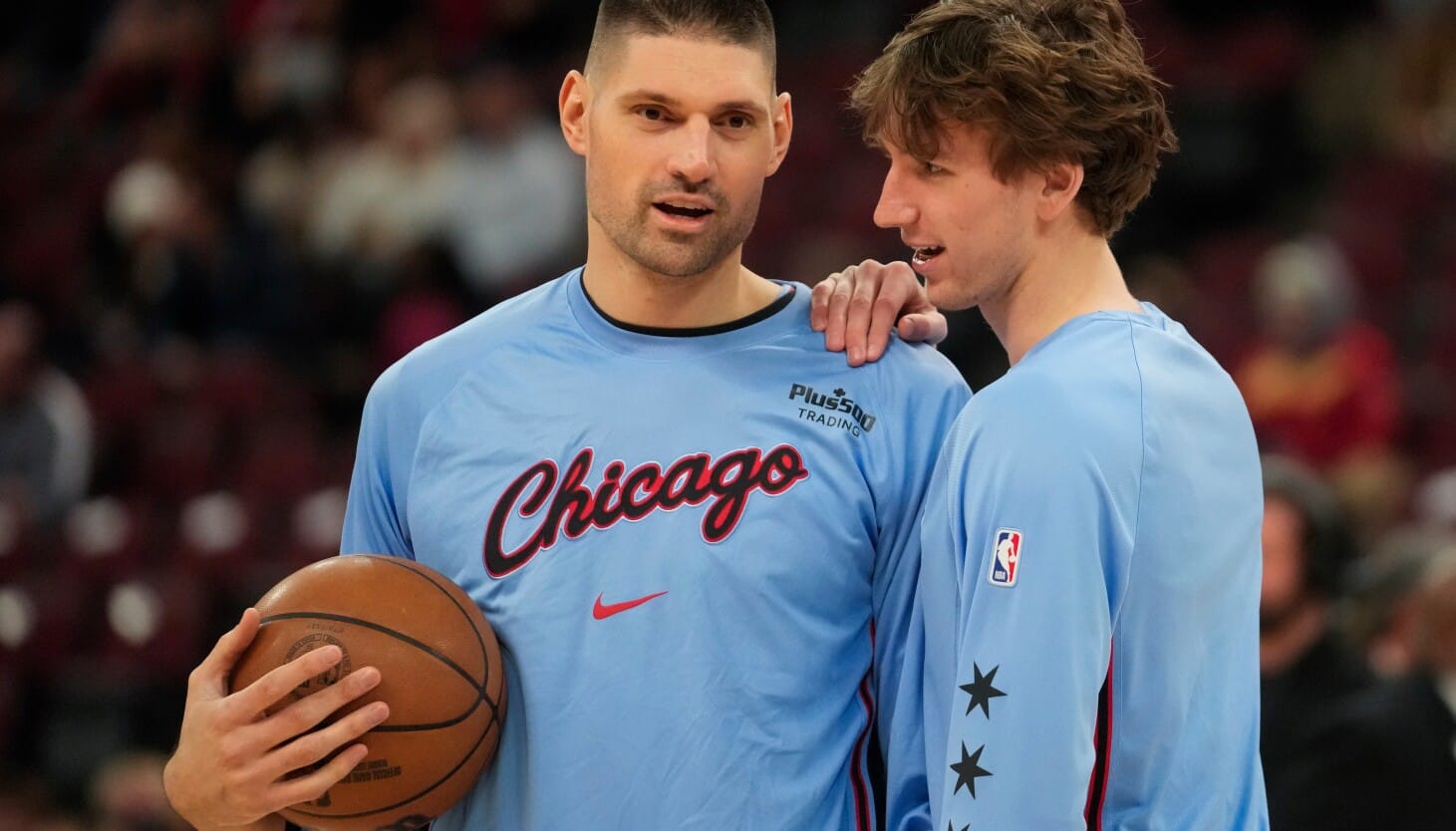
Veteran Chicago Bulls center Nikola Vucevic has publicly acknowledged the team’s need for change, a sentiment that gains prominence as the National Basketball Association’s trade deadline approaches. This expression marks a departure from Vucevic’s typically neutral stance on team matters, indicating a potential inflection point for the organization.
Team Dynamics and Player Sentiment
Vucevic’s comments, made following a significant loss in Miami, suggest an internal recognition among players that the current team composition may not be optimal. This perspective from a key player offers insight into the internal discourse surrounding the Bulls’ performance and strategic direction. The pressure of an approaching trade deadline often intensifies such discussions, as teams evaluate their rosters and explore potential adjustments to improve competitive standing.
Context of Player Acknowledgment
Typically, players in professional sports maintain a guarded approach when addressing inquiries about their team’s performance or future. Vucevic’s deviation from this norm highlights the palpable sense within the team that alterations are necessary. This candidness can serve multiple functions within a professional sports franchise. It may signal to management the players’ readiness for change, potentially influencing strategic decisions concerning player personnel.
Broader League Dynamics and Trade Deadlines
The NBA trade deadline represents a critical juncture in the league’s annual calendar. It is a period where teams, based on their performance and future outlook, can engage in transactions to reconfigure their rosters. The strategic importance of this deadline necessitates continuous evaluation by front office executives regarding player contracts, team performance metrics, and potential market opportunities. Player sentiments, as expressed by figures like Vucevic, can inform these complex strategic evaluations, providing qualitative data alongside quantitative performance indicators.
Role of Veteran Players
Veteran players often serve as conduits of team sentiment due to their experience and understanding of league operations. Their ability to articulate broader team needs, beyond immediate game performance, can provide valuable context for organizational leadership. Such acknowledgments are not uncommon in professional sports environments where sustained success requires adaptive management and a willingness to address systemic issues. The operational framework of an NBA franchise involves constant assessment of competitive viability, necessitating proactive measures as performance metrics dictate.
The Trade Deadline Mechanism
The NBA’s trade deadline operates within a structured regulatory framework established by the league office. This framework dictates the parameters within which team franchises can exchange player contracts and draft picks. The deadline aims to foster competitive balance by preventing teams from making late-season adjustments that could unduly influence playoff outcomes. It compels teams to make definitive decisions about their roster’s trajectory, either committing to the current group or initiating changes to pursue different strategic objectives.
Organizational Strategy and Roster Management
For an organization like the Chicago Bulls, the approach to the trade deadline is a function of its overarching strategic objectives. These objectives are typically determined by the front office and ownership, informed by scouting departments, analytics teams, and coaching staff. Player feedback, such as Vucevic’s statements, becomes one input among many in this complex decision-making process. The structure of sports management prioritizes data-driven analysis, performance evaluation, and strategic planning to optimize team potential within the league’s competitive ecosystem.
Implications for Team Future
Vucevic’s acknowledgement of the need for change suggests that the Bulls’ path forward may involve significant roster adjustments. This could encompass trades, free agent acquisitions, or internal development strategies. The manner in which management responds to these expressed sentiments will define the team’s strategic direction and its potential for future success. The interplay between player sentiment, front office strategy, and league regulations shapes the ongoing narrative of professional sports franchises.