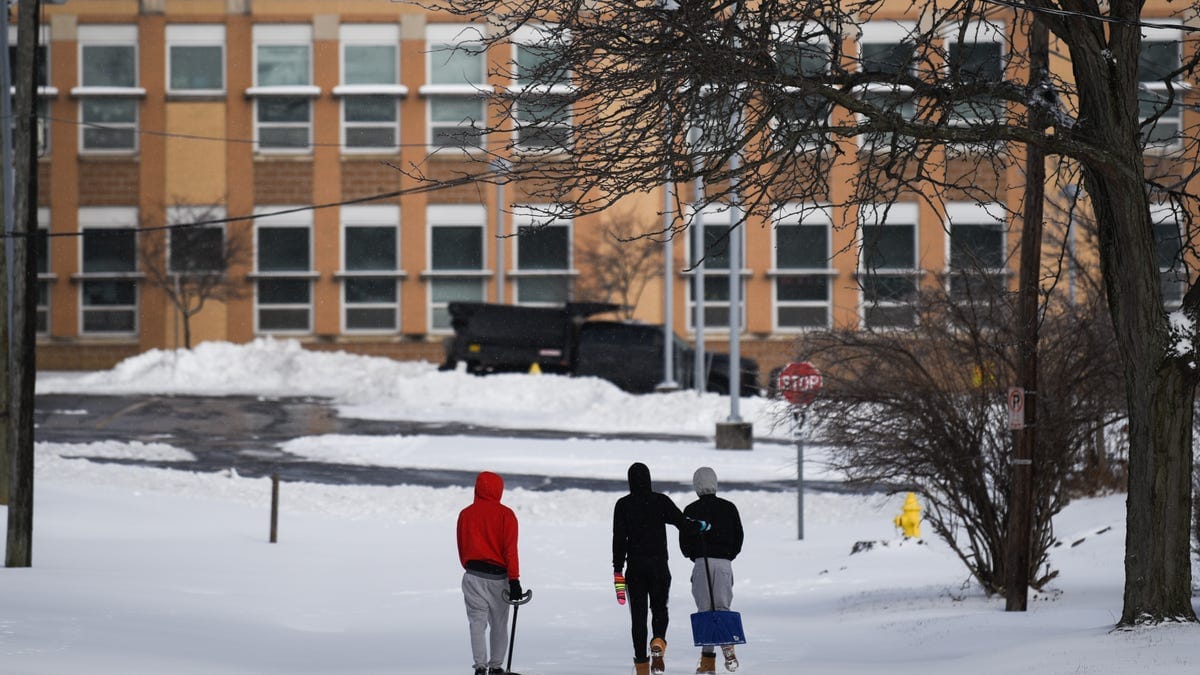
Cincinnati Public Schools (CPS) reopened its doors on Thursday, marking the end of a three-day closure necessitated by a severe winter storm. The decision to close schools for an extended period, attributed to a record-breaking snowfall, drew public attention and prompted discussions about the academic calendar and the district’s operational protocols during adverse weather events.
Academic Calendar Management and Weather Disruptions
The closure of Cincinnati Public Schools for three consecutive days due to weather-related circumstances raises administrative questions regarding the fulfillment of required instructional time. Educational institutions operate under state and federal mandates that specify a minimum number of school days or instructional hours per academic year. When schools are closed for extended periods, districts must implement policies to account for lost learning time.
In this context, the administrative challenge for CPS involves determining whether the accumulated closure days necessitate an extension of the academic calendar. This typically requires a review of the district’s established policy on make-up days, which might involve adding days to the end of the school year, extending the school day, or utilizing scheduled breaks. The process is governed by the institutional framework of public education administration, which prioritizes continuity of learning while adhering to safety regulations and contractual obligations with staff.
The decision-making process for school closures during severe weather is a complex administrative function. It typically involves meteorological forecasts, assessments of road conditions, building safety, and transportation feasibility. The institutional responsibility lies with district leadership to balance the imperative of student and staff safety against the educational impact of missed instruction. This often involves consultation with various departments, including facilities management and transportation services, to gauge operational readiness.
Parental Engagement and Safety Concerns
The reopening of Cincinnati Public Schools on Thursday was met with a mixed reaction from parents, many of whom communicated safety concerns related to the conditions surrounding the school environment. These concerns, particularly highlighted during frigid temperatures and with potentially uncleared sidewalks, underscore the critical role of institutional communication and preparedness in maintaining parental confidence.
Parental feedback often informs district policy and operational adjustments. When parents express concerns about safety, it triggers a review of the district’s safety protocols and their implementation at the ground level. This could involve evaluating the effectiveness of custodial services in maintaining safe pathways, the efficiency of the transportation department in navigating hazardous routes, and the clarity of communication channels with families regarding daily school conditions and decisions.
The administrative structure of a school district is designed to address such concerns. Parent-teacher organizations, school boards, and direct lines of communication are institutional mechanisms through which feedback is channeled and addressed. The district’s response to these articulated concerns is reflective of its commitment to its stakeholders and its operational capacity to ensure a secure learning environment following periods of significant disruption.
The structural element of infrastructure maintenance and safety preparedness becomes paramount after extreme weather events. For a district like CPS, ensuring that school grounds, including sidewalks and access points, are safe for students and staff is an immediate operational priority. This involves resource allocation for snow removal and de-icing services, coordinated by the district’s facilities and operations departments. The effectiveness of these services directly impacts the ability to resume normal school operations safely and addresses the immediate concerns voiced by parents.
Furthermore, the communication strategy employed by CPS during and after such events is crucial for managing public perception and ensuring that parents are informed. Clear, timely, and consistent updates on school status, safety measures, and academic continuity plans are administrative necessities that help mitigate anxiety and foster trust among the school community. The institutional imperative is to demonstrate a proactive approach to safety and a responsive understanding of parental anxieties.
The period following an extended weather closure also requires administrative attention to the academic reintegration of students. This involves assessing any learning gaps that may have occurred due to the missed days and implementing pedagogical strategies to address them. The district’s academic departments and individual school administrators play a role in ensuring that the curriculum remains on track and that students receive the necessary support to catch up on missed material, thereby upholding the educational mission of the institution.
In summary, the operational resumption of Cincinnati Public Schools after a significant weather event encapsulates a multifaceted administrative challenge. It involves not only the logistical task of reopening facilities but also the strategic management of the academic calendar, robust communication with parents, and the diligent assurance of a safe environment for all students and staff. The institutional response to these concurrent demands reflects the district’s capacity to navigate disruptions while maintaining its core educational objectives.