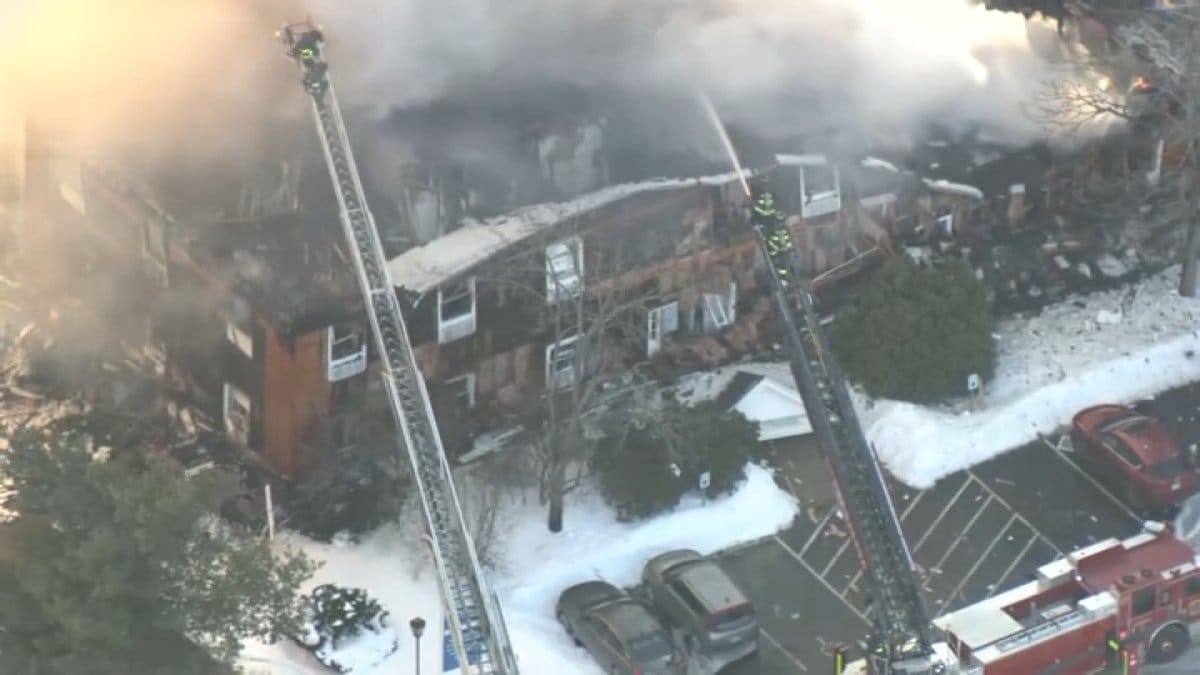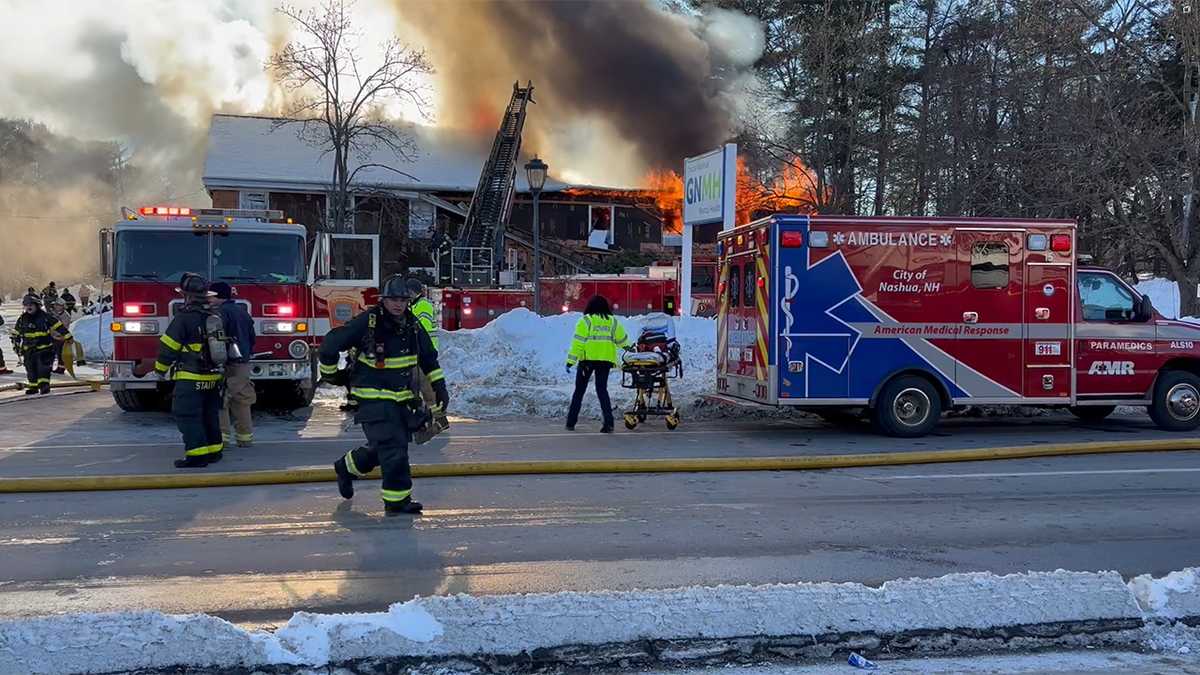
Emergency crews responded to a significant incident involving a reported gas explosion and subsequent large fire at a commercial building located on Amherst Street in Nashua, New Hampshire. The event prompted the issuance of an emergency gas leak alert as first responders worked to manage the situation. The incident necessitated the evacuation of approximately 30 individuals from second-floor apartments adjacent to the affected commercial structure.
Incident Overview and Response
The initial reports indicated a gas leak shortly after 2:30 p.m., which tragically culminated in an explosion and a substantial fire. The intensity of the fire led to its classification as a two-alarm incident, signifying a significant mobilization of fire department resources. Two firefighters sustained injuries while engaged in efforts to control the blaze and manage the immediate aftermath of the explosion.
Operational Context of Emergency Services
The response to such an event falls under the purview of municipal emergency management structures. These agencies coordinate the deployment of fire suppression units, hazardous materials teams, and emergency medical services. The operational imperative in the immediate aftermath of a gas explosion and fire involves multiple critical objectives. These include containing the spread of the fire to prevent further property damage and ensuring the safety of the surrounding community through evacuation protocols and establishing safety perimeters.
Furthermore, the incident highlights the inherent risks associated with managing volatile substances within urban environments. Utility providers, in this case, likely natural gas, play a crucial role in the emergency response, often tasked with shutting off gas mains to mitigate further hazards. The coordination between municipal emergency services and utility companies is a standard operational protocol designed to systematically de-escalate dangerous situations involving infrastructure failures or accidents.
Evacuation Procedures and Public Safety Protocols
The evacuation of approximately 30 residents from second-floor apartments underscores the critical importance of established public safety protocols. These procedures are designed to swiftly and safely remove individuals from areas deemed at immediate risk. The decision to evacuate is typically based on proximity to the hazard, the potential for structural compromise, and the risk of exposure to hazardous materials or fire propagation. Municipal authorities and emergency personnel are responsible for executing these evacuations, often involving coordination with local law enforcement for traffic control and scene security.
The structural integrity of adjacent residential buildings is a key consideration during such incidents. Fires, especially those involving explosions, can compromise building structures, posing a secondary risk to occupants. The prompt evacuation ensures that residents are removed from harm’s way, allowing emergency services unfettered access to manage the primary incident. Post-evacuation, authorities typically establish temporary shelter or provide resources for displaced individuals, depending on the duration of displacement and the extent of damage.
Injury Management in Emergency Incidents
The fact that two firefighters were injured during the incident points to the dangerous nature of their work, particularly in high-risk scenarios like explosions and fires. Emergency medical services are integral to the response, providing immediate medical attention to injured personnel and any civilians affected. Firefighter injuries can range from minor burns and smoke inhalation to more severe trauma sustained during the explosion itself or structural collapses. Protocols for firefighter safety and medical care are a critical component of departmental operations, reflecting the inherent dangers faced by first responders.
The administration and medical treatment of injured firefighters involve specialized protocols designed for occupational health and safety. These protocols ensure that injured personnel receive timely and appropriate care, facilitating their recovery and return to duty where possible. The incident serves as a stark reminder of the physical demands and risks associated with fire suppression and emergency response operations within complex urban settings.
Regulatory and Infrastructure Considerations
Incidents involving gas leaks and explosions often trigger reviews of regulatory compliance and infrastructure maintenance. Building codes, utility safety standards, and inspection regimes are all designed to minimize the risk of such events. The investigation into the root cause of the gas leak and subsequent explosion would likely involve examining adherence to these standards, the condition of gas lines, and any relevant maintenance logs. Regulatory bodies may be involved in overseeing any remediation efforts and ensuring future compliance.
The management of utility infrastructure, such as natural gas lines, is subject to rigorous oversight by both the utility companies themselves and external regulatory agencies. These entities establish standards for installation, maintenance, and leak detection to ensure public safety. An event like the Nashua gas explosion can prompt closer scrutiny of these established safety mechanisms and may lead to a re-evaluation of preventative measures, inspection frequencies, or emergency response planning to address identified vulnerabilities within the existing infrastructure management framework.