Central Florida Grapples with Extensive Power Outages During Unprecedented Cold
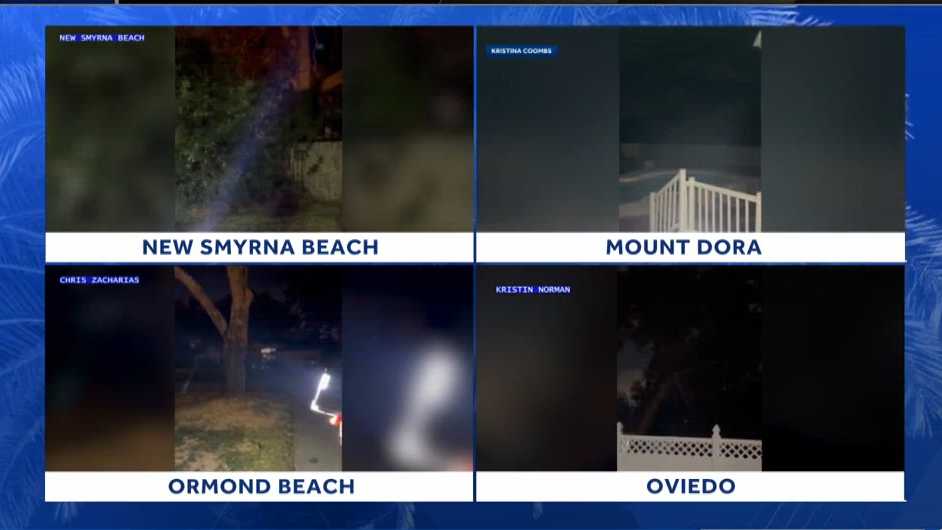
Central Florida is experiencing significant power disruptions, with thousands of residents in Orlando and surrounding areas losing electricity. This comes as the region is subjected to what is anticipated to be a record-cold weekend, with temperatures plunging and flurries observed in several locations, including Mount Dora and New Smyrna Beach. Sunday morning lows were recorded at historically low levels for the region, marking the coldest morning in 16 years.
Regional Impact and Infrastructure Strain
The power outages are not confined to a single municipality but are distributed across county lines, affecting areas such as the Palm Beaches, Treasure Coast, and Okeechobee County. This widespread nature of the outages suggests a systemic stress on the electrical grid, likely exacerbated by the extreme weather conditions. The demand for electricity for heating purposes would have surged during the record cold, placing an immense load on the power generation and distribution infrastructure.
Utility Response and Restoration Efforts
Utility providers, including Florida Power & Light (FPL), are actively engaged in assessing the damage and implementing restoration efforts. The challenge lies in the scale and geographical spread of the outages, compounded by the ongoing severe weather which can impede repair work. While maps and numbers are being provided to track the extent of the outages and restoration estimates, the duration of these disruptions remains a significant concern for affected households and businesses.
Broader Implications of Extreme Weather on Utilities
The event underscores the vulnerability of energy infrastructure to extreme weather phenomena, a growing concern in an era of climate variability. Power grids are designed with certain operational parameters and resilience in mind, but sustained periods of extreme cold, coupled with potential ice accumulation, can push these systems beyond their design limits. This necessitates ongoing investment in grid modernization, hardening infrastructure against such events, and developing more robust emergency response protocols by utility operators.
Community Impact and Preparedness
For residents, the loss of power during such a frigid period poses immediate safety and comfort challenges. Access to heating, lighting, and essential communication can be compromised. This situation highlights the importance of community preparedness, including having emergency kits, backup heating options where feasible, and staying informed through official channels during severe weather events. The reliance on a stable energy supply for daily life means that disruptions of this magnitude have cascading effects on household routines and well-being.
Institutional Framework of Utility Services
The provision of electricity is typically managed by regulated utility companies operating under a framework of public service obligations. These entities are responsible for maintaining the generation, transmission, and distribution networks that deliver power to consumers. Regulatory bodies, often state-level public utility commissions, oversee their operations, including service standards, rate setting, and infrastructure investment plans. Such commissions also play a role in ensuring that utilities have adequate emergency preparedness and response plans in place to mitigate the impact of events like severe weather.
Strategic Considerations for Grid Resilience
In response to increasing weather-related disruptions, utility companies are increasingly focusing on grid resilience strategies. This can involve burying power lines in vulnerable areas, upgrading transmission towers to withstand higher winds, and implementing smart grid technologies that allow for faster outage detection and remote switching to isolate faults. Furthermore, diversification of energy sources and the integration of distributed generation, such as rooftop solar with battery storage, can enhance overall system reliability by reducing dependence on a centralized grid during emergencies.
Media’s Role in Information Dissemination
During widespread events like this, the role of media organizations becomes critical in disseminating accurate and timely information. News outlets provide essential updates on outage locations, restoration progress, and safety advisories from utility providers and emergency management agencies. This function is vital for maintaining public awareness and facilitating informed decision-making by affected individuals and communities, serving as a crucial link between service providers and the public.
Future Planning and Infrastructure Investment
The recurring nature of severe weather events necessitates long-term strategic planning by both utility providers and governmental bodies. This includes evaluating current infrastructure against projected climate impacts and determining the level of investment required to ensure a reliable energy supply. Policy decisions regarding energy infrastructure development, including the balance between traditional energy sources and renewable alternatives, will be shaped by the need to adapt to an evolving climate and ensure continuity of service for millions of customers.
Conclusion: Sustained Impact and Preparedness
As Central Florida recovers from this record-cold snap and the associated power outages, the event serves as a stark reminder of the interconnectedness of weather, infrastructure, and public well-being. The comprehensive response required, from utility crews working in challenging conditions to regulatory oversight and long-term planning, highlights the multifaceted institutional efforts necessary to maintain essential services in the face of environmental challenges.