A Historic Question Echoes on the Pitch
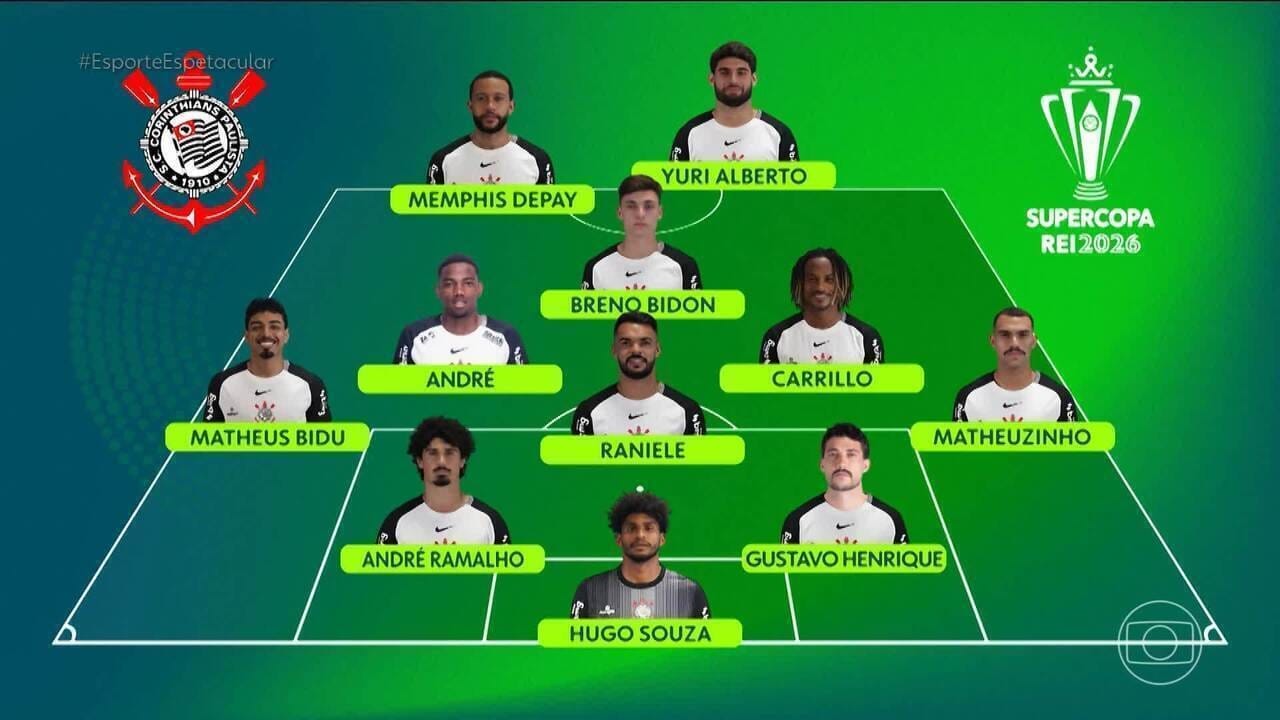
The air crackled with anticipation, not just for the roar of the crowd, but for the echoes of a decades-old debate. As Flamengo and Corinthians prepared to lock horns in the Supercopa do Brasil on February 1st, 2026, a provocative question from 1982 resurfaced, adding a layer of historical intrigue to the already fierce rivalry. “Why isn’t Corinthians a Flamengo?” This was the headline splashed across Placar magazine, a reflection on the distinct identities and fanbases of two of Brazil’s most colossal football clubs.
This Sunday, the stadiums in Brasília would witness more than just a game; they would witness a continuation of this enduring narrative. The Supercopa do Brasil, a curtain-raiser for the domestic season, pits the champions of the league and the Copa do Brasil against each other. This year, it’s the titans of Rio de Janeiro and São Paulo, Flamengo and Corinthians, ready to battle for supremacy.
More Than Just a Game: A Clash of Fanbases
The rivalry between Flamengo and Corinthians runs deep, woven into the very fabric of Brazilian society. With the largest fanbases in the country, often referred to as the “Nação Rubro-Negra” (Flamengo Nation) and the “Fiel Torcida” (Faithful Fans) of Corinthians, their encounters are more than just football matches; they are cultural events.
Ahead of the crucial tie, set to kick off at 4 PM Brasília time at the Estádio Mané Garrincha, the clubs themselves engaged in a bit of playful provocation directed at their perennial rival, Palmeiras. In a joint publication, they hinted at their shared dominance, even questioning Palmeiras’ status as a “father or stepfather” in the Brazilian football hierarchy. This banter, a common feature in the lead-up to major clashes, underscores the intense competition and the desire to assert dominance, not just on the field but in the broader footballing narrative.
The Genesis of a Provocation
The 1982 Placar article, “Por que o Corinthians não é um Flamengo?” (Why isn’t Corinthians a Flamengo?), was a deep dive into the distinct characteristics that set these two clubs apart, despite their shared passion for football and their immense popularity. Flamengo, rooted in Rio de Janeiro, often embodied a more flamboyant, Rio-centric style, associated with samba, beaches, and a certain swagger. Corinthians, hailing from São Paulo, carried a different ethos – one of grit, working-class identity, and a fierce, almost defiant loyalty from its supporters.
The magazine’s inquiry sought to understand the sociological and cultural underpinnings of these differences. It explored how each club’s history, geographical location, and the socio-economic background of their fanbases shaped their unique identities. The question wasn’t about superiority but about the fascinating divergence within the shared experience of Brazilian football fandom. It highlighted that even within the same sport, distinct cultural fingerprints could emerge, creating unique bonds between clubs and their supporters.
The Supercopa: A Stage for Modern Narratives
Fast forward to 2026, and the question posed by Placar remains a relevant, albeit less literal, point of reference. The Supercopa do Brasil provides the perfect stage for these two giants to not only compete for a trophy but also to reinforce their narratives. The “who wants to be who” dynamic in the duel of the biggest fanbases is ever-present.
Flamengo, under its current leadership and with its star-studded squad, often projects an image of modern professionalism and global ambition. They aim to be a benchmark not just in Brazil but on the international stage, attracting talent and capturing market share. Their “Nação” is known for its passionate, often overwhelming support, capable of filling stadiums wherever the team plays.
Corinthians, on the other hand, has always prided itself on its connection to the “povo” (the people). The “Fiel” is renowned for its unwavering loyalty, often weathering difficult periods with fierce determination. The club often emphasizes its “corinthianismo,” a term that encapsulates a spirit of resilience, struggle, and collective identity. While they also seek success and strong management, their narrative is intrinsically tied to the heartbeat of their massive, devoted fanbase.
The Spectacle Beyond the Pitch
The Supercopa do Brasil, typically played at a neutral venue, is designed to be a grand spectacle. This year, the choice of Brasília’s Mané Garrincha stadium further emphasizes the national significance of the match. It’s a neutral ground, meaning neither club has a true home advantage, forcing them to rely solely on the strength of their travelling support and the quality of their play.
The pre-match provocations aimed at Palmeiras are a strategic move to unite their own fanbases and perhaps create a common enemy, a tactic to amplify the rivalry’s intensity. It’s a testament to how football clubs, especially those with such immense followings, understand the power of narrative and psychological warfare. By collectively poking fun at a rival, Flamengo and Corinthians subtly reinforce their own perceived status as the dominant forces in Brazilian football.
The Legacy of the “Why Not Flamengo?” Question
The original question from Placar magazine wasn’t just about football tactics or player profiles. It delved into the soul of the clubs. Flamengo, with its origins tied to a more bohemian Rio de Janeiro, was often seen as having a natural flair, a touch of elegance. Corinthians, born from the working-class districts of São Paulo, was characterized by a gritty determination, a fight for every ball, reflecting the struggles and triumphs of its people.
This distinction, though perhaps less stark today with the globalization of football and the professionalization of clubs, still resonates. Flamengo’s “Manto Sagrado” (Sacred Jersey) and Corinthians’ “Camisa do Povo” (People’s Jersey) carry immense symbolic weight. Their supporters feel an ownership that transcends mere fandom; it’s an extension of identity.
The clubs’ joint jab at Palmeiras before the Supercopa can be seen as a modern manifestation of this historical rivalry. It’s a way of saying, “We are the true powers here, the ones who dictate the narrative.” It taps into the idea that the biggest clubs, with the biggest fanbases, often set the agenda in Brazilian football. Whether they are seen as a “father” or “stepfather” is a matter of perspective, but their presence at the top is undeniable.
What’s at Stake in the Supercopa?
Beyond the historical context and the banter, the Supercopa do Brasil is a tangible prize. It offers the first piece of major silverware for the domestic season, a significant morale boost for the winning team and a painful start for the loser. For Flamengo, it could be another step in cementing their status as a modern dynasty. For Corinthians, it could signal a return to glory, a validation of their enduring spirit.
The game itself, broadcast widely and eagerly anticipated, will feature two squads likely packed with international talent and domestic stars. The tactical battles, individual brilliance, and the sheer emotional energy of the fans will undoubtedly create a compelling spectacle. The outcome will be debated, analyzed, and remembered, adding another chapter to the storied history between these two Brazilian behemoths.
As the whistle blows and the ball rolls, the question from 1982 might fade into the background, replaced by the immediate drama of the present. Yet, it lingers, a subtle reminder of the unique identities and the profound connection these clubs have with millions of Brazilians. It’s this blend of historical resonance, modern competition, and passionate rivalry that makes Flamengo versus Corinthians a fixture of global footballing interest.
The passion ignited by the Supercopa is a testament to the enduring power of these clubs, their histories, and the millions who live and breathe their colors. It’s a rivalry that continues to write its own legends, year after year.