Rybakina Rallies for Second Grand Slam Title at Australian Open
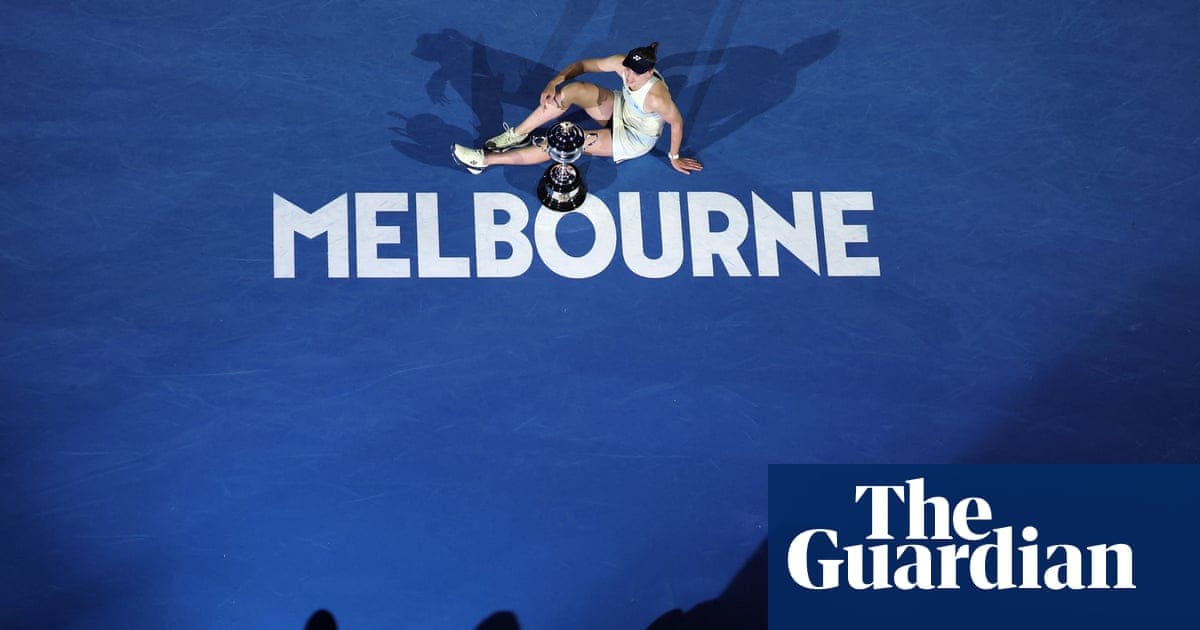
Elena Rybakina has been crowned the Australian Open champion, snatching victory from the jaws of defeat against world number one Aryna Sabalenka in a dramatic women’s singles final. The Kazakhstani star stormed back in the deciding set to win 6-4, 4-6, 6-4, clinching her second Grand Slam title on the hallowed Centre Court of Rod Laver Arena.
A Battle Under the Roof
The atmosphere inside Rod Laver Arena was electric, amplified by the unusual circumstances of a closed roof due to intermittent rain at Melbourne Park. This created a concert-hall-like ambiance, where every thundering serve and precise groundstroke echoed, adding a unique intensity to the championship match.
Rybakina’s Quiet Resolve
The final was a testament to Rybakina’s remarkable composure and resilience. After dropping the second set, she demonstrated a steely nerve, rallying from behind in the decisive third set to overcome the powerful game of Sabalenka. Her victory marks a significant milestone in her burgeoning career.
This triumph builds upon Rybakina’s maiden Grand Slam success at Wimbledon in 2022. It solidifies her status as a genuine contender on the biggest stages in tennis and showcases her ability to perform under immense pressure. The quiet determination that characterized her play throughout the tournament was on full display in the final moments.
Sabalenka’s Slam Struggles
For Aryna Sabalenka, the defeat raises familiar questions about her Grand Slam performance. Despite being the dominant force in women’s tennis for the past two seasons, with a powerful baseline game that has seen her secure the world number one ranking, her Grand Slam count remains at one.
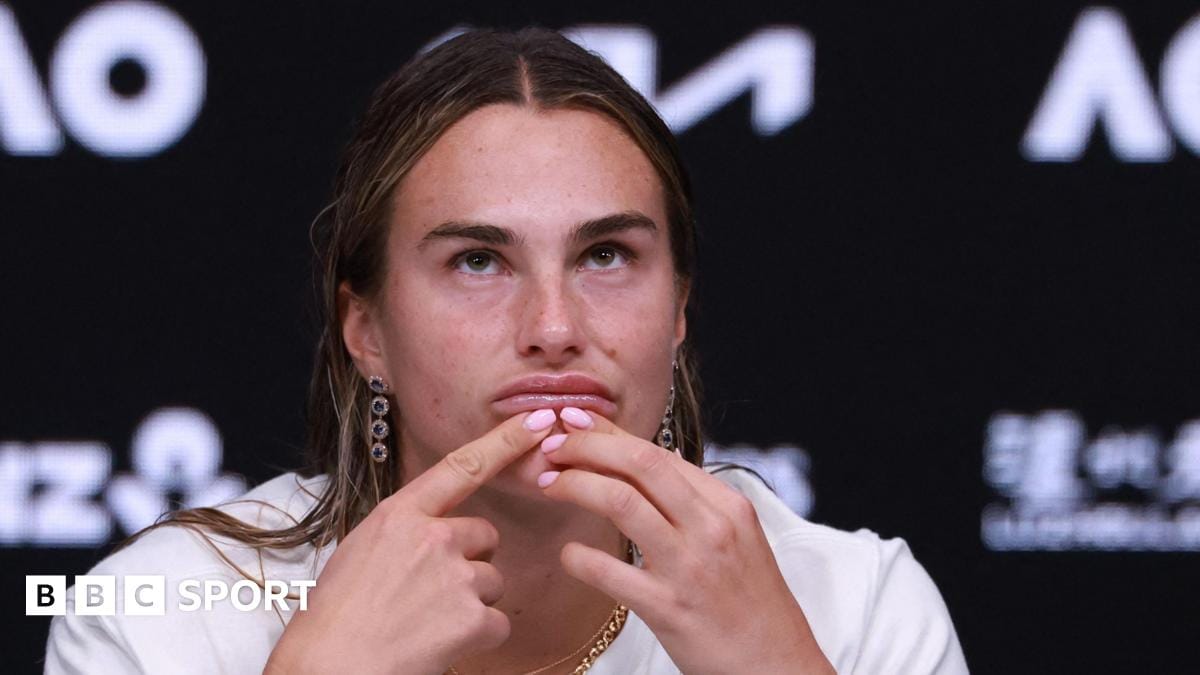
‘She Basically Capitulated’
Commentators and fans have often debated Sabalenka’s ability to convert her consistent dominance into multiple major titles. The narrative that she sometimes ‘capitulates’ under pressure, particularly in crucial Grand Slam moments, resurfaced during the final. Despite periods of overwhelming play, she was unable to close out the match when in a strong position.
Sabalenka’s baseline power has been a cornerstone of her success, overwhelming many opponents throughout the year. However, in major finals, that power has not always translated into consistent victories. The Australian Open final, where she held an advantage in the deciding set before Rybakina surged, highlighted these ongoing discussions.
Why This Matters: The Shifting Landscape of Women’s Tennis
Rybakina’s victory is more than just a personal triumph; it signifies the evolving nature of dominance in women’s tennis. For years, the sport has seen established stars frequently reaching the pinnacle of Grand Slams. However, players like Rybakina, with their blend of power, precision, and mental fortitude, are increasingly challenging the established order.
Her success at the Australian Open, a tournament she has not previously won, underscores the depth and competitiveness of the WTA tour. It demonstrates that consistent performance on the tour does not always equate to Grand Slam success, and that on any given day, a player with the right mindset and game plan can seize the ultimate prize.
Furthermore, Rybakina’s win offers an inspiring narrative for athletes from smaller tennis nations. Representing Kazakhstan, her achievements can serve as a powerful motivator for aspiring players in regions where tennis may not have the same deep-rooted infrastructure as traditional powerhouses.
Broader Trends: Power Tennis and Mental Fortitude
The style of play in modern women’s tennis continues to emphasize raw power. Both Rybakina and Sabalenka embody this trend, capable of hitting winners from anywhere on the court. However, Rybakina’s victory underscores the critical role of mental strength in converting that power into Grand Slam titles.
The ability to remain calm, execute strategy under duress, and adapt during critical moments of a match is often the differentiator at the highest level. Rybakina’s second-set wobble and subsequent recovery in the third set exemplifies this crucial aspect of championship tennis. She weathered the storm and found her best game when it mattered most.
The debate surrounding Sabalenka’s Grand Slam record also points to the psychological challenges inherent in major tournaments. The increased scrutiny, the weight of expectation, and the pressure to perform can have a profound impact on even the most physically dominant players.
Looking Ahead: The Future of Grand Slam Contenders
Elena Rybakina’s second Grand Slam title positions her as a formidable force for years to come. With her powerful serve and baseline game, combined with her evident mental strength, she is undoubtedly a player to watch in all upcoming majors.
For Aryna Sabalenka, the path forward involves addressing the lingering questions about her Grand Slam finals record. Her talent and consistency are undeniable, but finding that final piece of the puzzle to secure more major titles will be her primary focus.
The Australian Open has once again delivered a compelling narrative, highlighting the emergence of new champions and the ongoing journeys of established stars. The women’s game continues to be defined by its blend of athletic prowess and mental grit, promising thrilling contests in the tournaments to come.