CONTEXTUAL ANALYSIS: Navigating the Aftermath of a Major Winter Storm
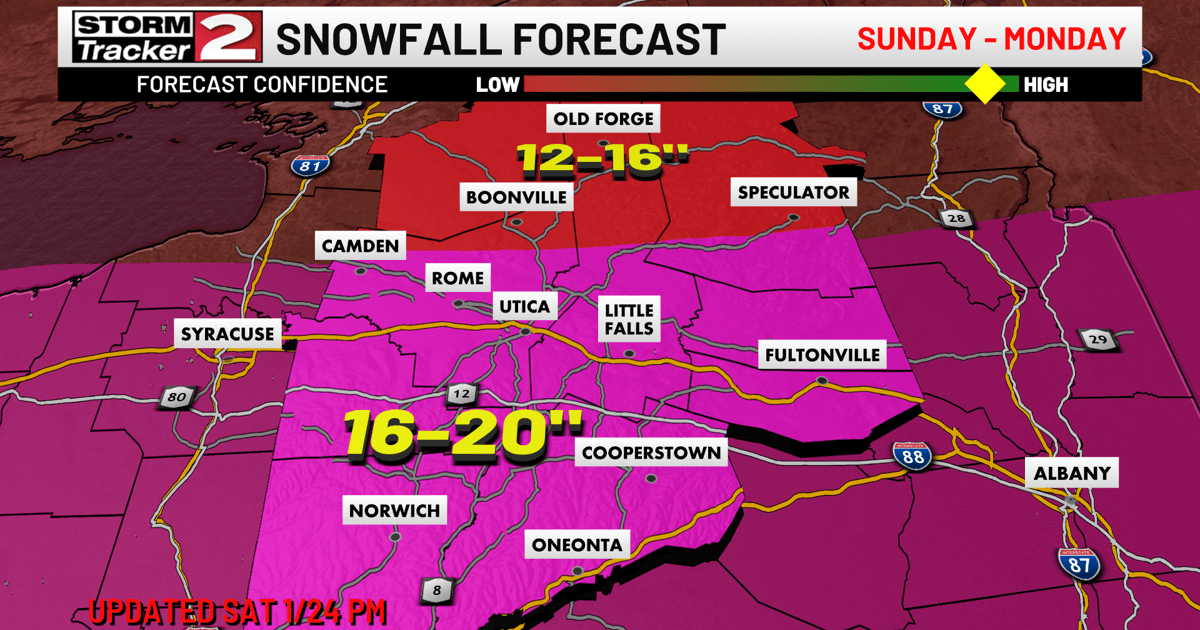
The City of Utica, New York, is currently grappling with the logistical challenges posed by a significant recent snowstorm. A citywide snow emergency remains in effect as the Department of Public Works (DPW) mobilizes resources for extensive cleanup operations. This situation highlights the recurring infrastructure challenges faced by municipalities in the Northeast when confronted with intense winter weather patterns.
The emergency declaration, initiated Sunday night at 10 p.m., served as a necessary precursor to mobilize machinery without obstruction. Authorities strictly warned that any vehicles left parked on city streets after the designated cutoff time were subject to ticketing. This immediate action is crucial for allowing snow removal equipment to effectively clear thoroughfares and secondary roads.
The Mechanics of Emergency Response
The core of the current activity centers on the Department of Public Works executing a methodical, citywide cleanup plan. The stated goal is restoring normal traffic flow and access, a process that requires sustained effort across all wards. Such operations are complex, involving coordination between plowing, salting, and hauling away large volumes of snow.
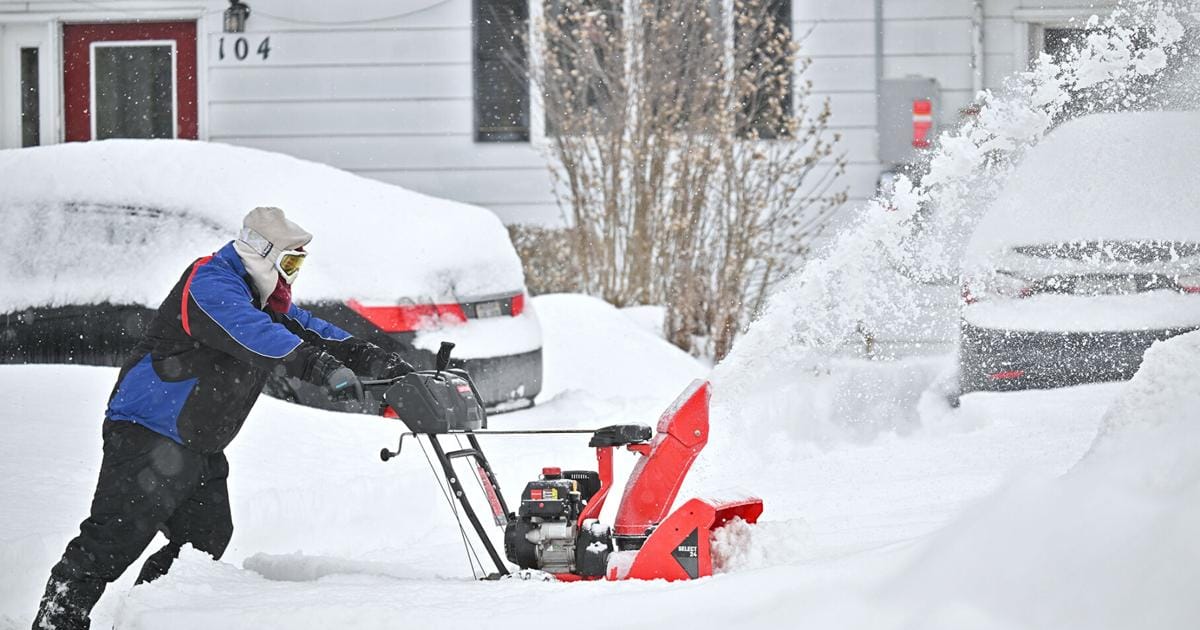
Visual confirmation of the community’s engagement is evident, with reports and accompanying photo galleries showing residents actively digging out their properties. This dual effort—municipal clearing combined with citizen response—is typical in regions accustomed to heavy snowfall, demonstrating a localized resilience in the face of weather disruption.
Why This Matters: Infrastructure Resilience and Municipal Burden
The imposition of a snow emergency is not merely procedural; it is a critical indicator of system strain. For municipal governments, severe winter events translate directly into substantial operational costs, placing a heavy burden on public works budgets.
The enforcement mechanism—ticketing vehicles—underscores the fine line between efficient cleanup and public inconvenience. When parking restrictions are ignored, plows cannot operate efficiently, potentially delaying clearance in critical areas like hospital access routes or main commercial arteries. This friction point often becomes a flashpoint for public debate regarding resource allocation.
Broader Trends in Winter Weather Preparedness
While the immediate concern is Utica, this event connects to broader trends observed across North America concerning climate variability. Regions accustomed to snow are now facing more erratic, yet sometimes more intense, single-event snowfalls. This demands updated preparedness strategies, including fleet readiness and optimized salt/sand stockpiles.
Furthermore, the presence of these large-scale operations reflects the necessity of regional coordination. While the data specifically references Utica and the wider Mohawk Valley, successful navigation of major storms often requires agreements with neighboring jurisdictions for mutual aid in equipment or personnel deployment, even if not explicitly mentioned in the immediate reports.
Looking Ahead: Post-Emergency Normalization
The immediate focus will transition from emergency clearing to addressing side streets, sidewalks, and managing snowbanks created at driveways. The duration of the snow emergency depends entirely on the speed at which the DPW can complete the primary clearing phases.
Market analysts and local economists watch these events closely, as prolonged disruptions affect local commerce and transportation logistics. For Utica, the return to normalcy will be signaled by the official lifting of the emergency declaration and the subsequent return to routine street services. Until then, the continued mobilization of city resources dictates the immediate pace of life in the affected area.
The initial data also provided a brief, almost tangential listing of countries and territories, including the United States, Canada, Mexico, and various Caribbean entities. While geographically disconnected from the immediate Utica event, this listing suggests the context might be drawn from a broader wire service template covering international logistics or travel advisories, an interesting contrast to the hyper-local focus of the snow emergency.