The Morning of Dread
Bob Ebeling was anxious and angry as he drove to work on the morning of January 28, 1986. The feeling gnawed at him, a profound sense of unease that preceded the unthinkable.
He kept thinking about the space shuttle Challenger. That morning, the air was cold, far colder than NASA typically preferred for a launch, yet the mission was set to proceed.
The Ascent and the Catastrophe
Forty years ago, the U.S. space shuttle Challenger set out on a mission that captured the nation’s imagination. It carried seven crew members into the sky.
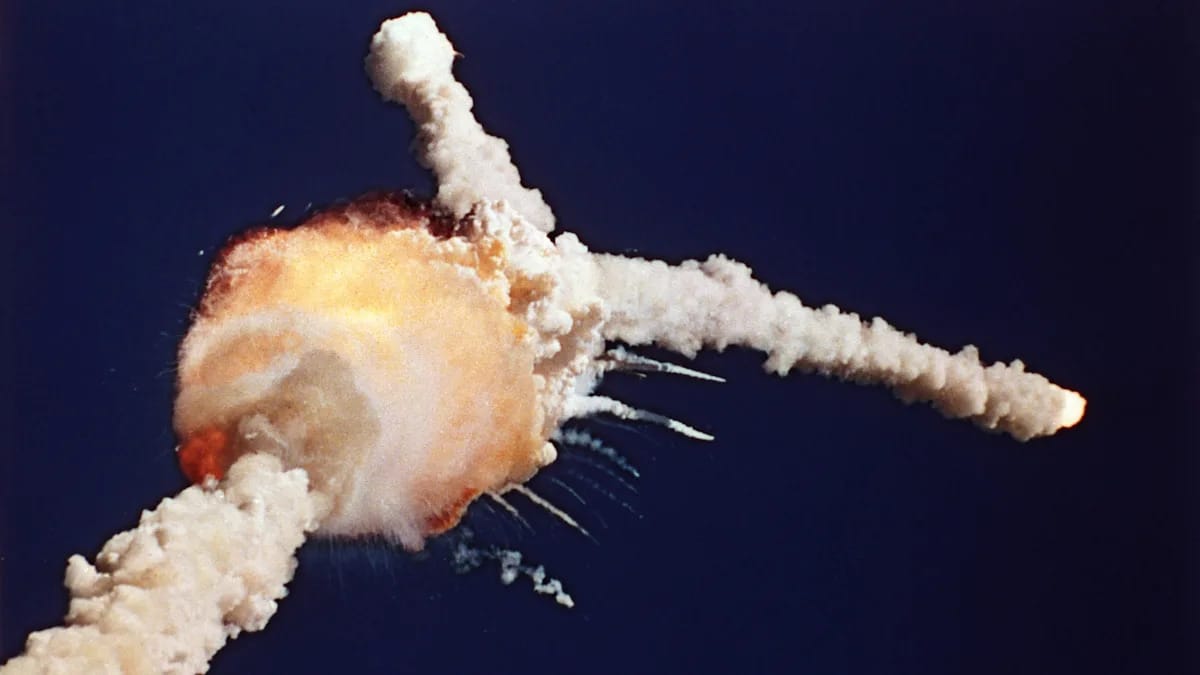
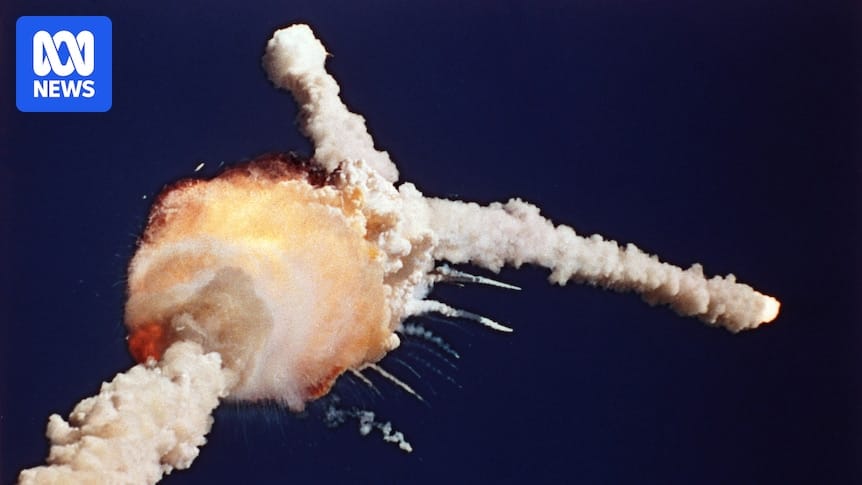
Just after lift-off, that dream turned into a nightmare. The Challenger space shuttle disintegrated in a fiery spectacle visible across the nation.
The disaster killed its entire crew, sending shockwaves through the world and forcing a painful reckoning within the aerospace community. This tragedy changed the trajectory of human spaceflight forever.
The Voices of Warning Unheard
What makes the anniversary of the Challenger disaster so heavy is the knowledge that it might have been stopped. The foundations of the eventual catastrophe were laid long before the countdown reached zero.
The internal struggle within NASA and its contractors in the days leading up to the launch involved critical safety concerns that were ultimately overridden by scheduling pressures.
The Technical Failure at Sub-Freezing Temperatures
The core issue revolved around the solid rocket boosters (SRBs), specifically the O-rings designed to seal critical joints. These seals were notoriously sensitive to cold temperatures.
Engineers, aware of the unusually low temperatures forecast for launch day, voiced grave warnings. They knew the rubber-like material of the O-rings would become brittle and lose their essential resiliency in the cold.
There were desperate attempts made by personnel to halt the proceedings. Inside NASA’s system, a battle was raging between the technical experts who saw the risk and the management pushing for the flight.
‘They’re Gonna Die’
The tension reached a breaking point among those who understood the physics at play. Some individuals inside the safety structure made frantic calls, pleading for the mission to be scrubbed.
The sentiment was clear among some technical staff: they believed proceeding constituted a direct threat to the lives aboard the orbiter. Phrases echoing desperation suggested immediate danger.
One of the most agonizing recollections from the post-disaster investigation involved the realization that key decision-makers were perhaps insulated from the severity of the technical warnings being issued by subordinates.
The Lingering Shadow of Responsibility
Forty years later, the weight of that decision, or lack thereof, continues to press upon those involved. The memories are not historical footnotes; they are personal burdens.
The phrase ‘lingering guilt’ accurately describes the aftermath for many who witnessed the organizational failures leading up to January 28th. How could they have done more to prevent the inevitable explosion?
This experience forced a monumental shift in how safety protocols are managed in high-stakes, high-visibility environments, setting new precedents for risk assessment in government-funded endeavors.
Lessons Forged in Fire
The Challenger shuttle disaster that killed 7 crew members serves as a grim, perennial case study. It highlights the crucial need for an organizational culture where dissenting technical voices are not only heard but empowered to stop a process.
The subsequent investigation exposed failures in communication, management oversight, and the normalization of deviance—where small compromises on safety gradually become the accepted norm.
For NASA, the event necessitated a complete overhaul of its shuttle program management and safety review boards. The lessons learned involved creating explicit channels for stopping a launch based on engineering concerns, independent of schedule demands.
Remembering the Crew
The seven crew members, including Christa McAuliffe, the teacher who was set to become the first civilian in space, are remembered not just for their deaths, but for the ambition they represented.
Their mission embodied the frontier spirit of exploration, a spirit that was tragically interrupted by flawed decision-making rooted in human fallibility and systemic pressure.
The anniversary compels reflection on how society balances risk against progress, especially when human lives are the ultimate collateral in the pursuit of discovery.
The Enduring Echo of Regret
Bob Ebeling, who drove to work filled with dread that morning, became a poignant symbol of the engineers who saw the danger coming. His story illustrates the terrible burden carried by those who know disaster is imminent but lack the final authority to avert it.
Forty years on, the narrative is less about the mechanics of the explosion and more about the human element—the warnings issued, the anger felt, and the lessons that must never be forgotten.
“The Challenger shuttle disaster that killed 7 crew members was 40 years ago. What happened and how they’re being remembered.”