Current Geopolitical Standoff Escalates in the Middle East
The Middle East finds itself once again at a critical juncture, marked by a significant ramp-up in military activities and a palpable increase in rhetorical exchanges between Washington and Tehran. Recent developments underscore a heightened state of alert and a deepening of a long-standing geopolitical rivalry. At the heart of this unfolding situation is the strategic deployment of U.S. military assets, a move explicitly aimed at bolstering Washington’s presence in a region historically fraught with complex power dynamics.
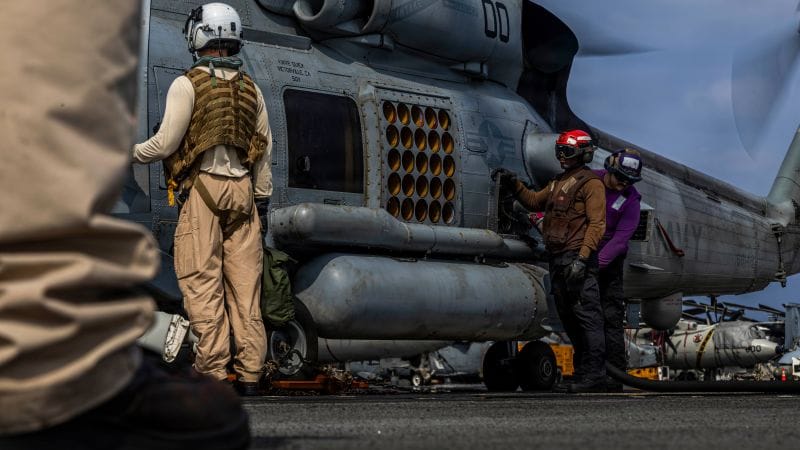
The U.S. forces are actively engaged in a multi-day air exercise across the Middle East. This strategic maneuver is not merely a routine training operation but a clear demonstration of capability and readiness, coming at a time when tensions with Iran are notably elevated. Such exercises serve a dual purpose: they allow airmen to rigorously test and prove their operational proficiency under simulated combat conditions, ensuring a high state of preparedness, while simultaneously signaling military resolve to potential adversaries. This display of aerial strength is an integral component of the broader strategy to enhance military posture in the Gulf region, reflecting a calculated effort to deter aggression and protect U.S. interests and allies.
Heightened Military Presence and Exercises
The decision to conduct a multi-day air exercise is a tactical response to the evolving security landscape. These exercises typically involve a wide array of aircraft, including fighter jets, bombers, and surveillance planes, operating in coordinated patterns to simulate various combat scenarios. The emphasis on “proving capabilities” suggests an intent to showcase advanced aerial warfare techniques, interoperability among different air assets, and the ability to project power across vast distances. For any military, such drills are indispensable for maintaining peak operational readiness, refining tactical approaches, and ensuring that personnel are adept at executing complex missions in a highly contested environment.
The very public nature of these exercises, often announced through official channels, amplifies their deterrent effect, sending an unambiguous message about the capacity and willingness of the U.S. to employ force if deemed necessary. Beyond the immediate tactical objectives, these air exercises contribute to the strategic goal of regional stability, as perceived by Washington. By demonstrating a robust and agile military presence, the U.S. aims to reassure its regional partners of its commitment to their security while simultaneously complicating the strategic calculations of any potential aggressor. The integrated nature of modern air warfare means that such exercises often involve elements of intelligence gathering, command and control simulations, and logistical support, all vital components of a comprehensive military strategy. The continuous refinement of these elements through rigorous training is paramount for effective response to rapidly developing crises.
Naval Power Projection Near Iran
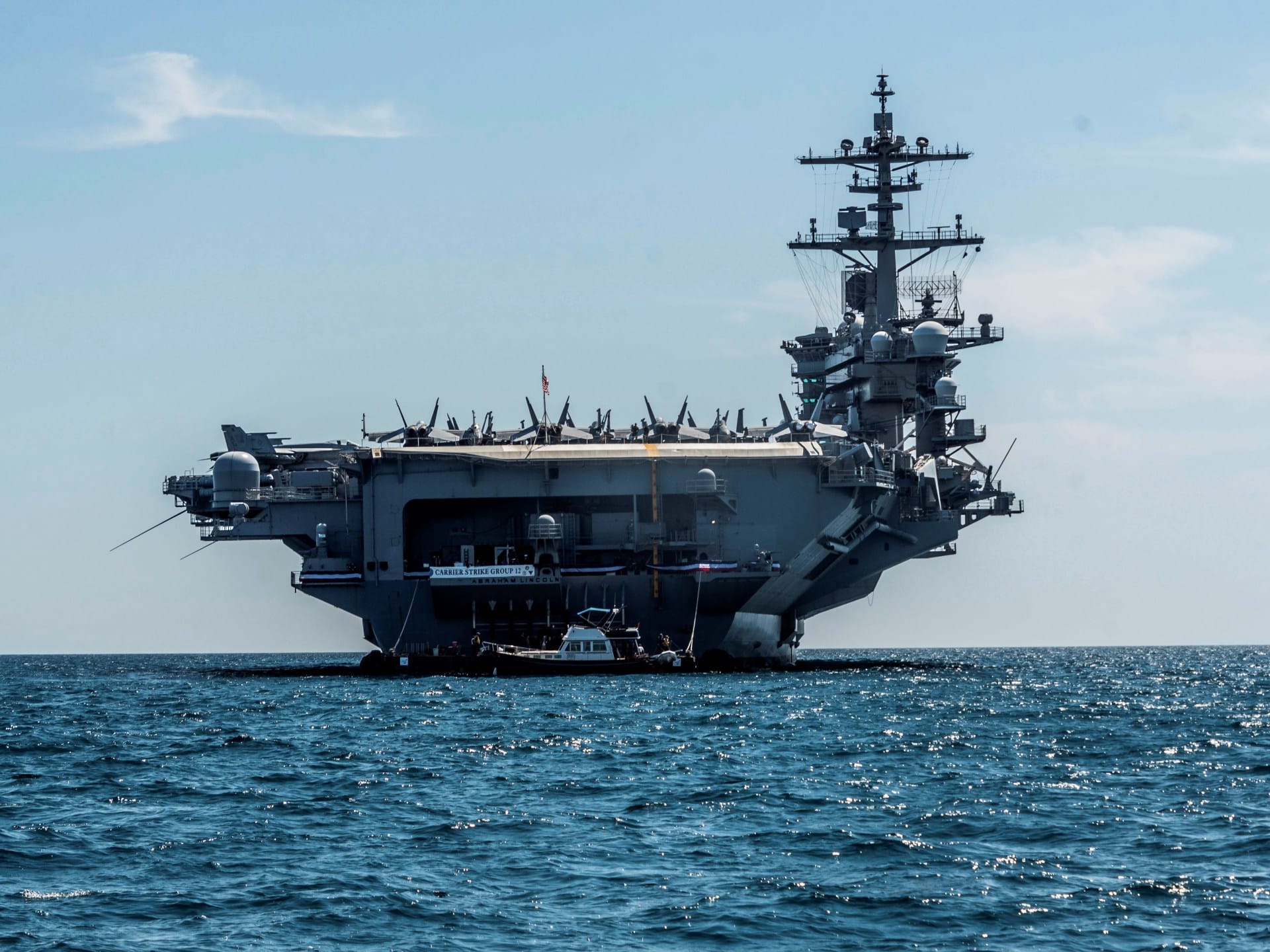
Complementing the aerial exercises, a U.S. naval strike force has been observed sailing near Iran, a development that further underscores the intensification of military posturing. The deployment of a naval strike group, typically centered around an aircraft carrier, represents one of the most potent symbols of a nation’s ability to project power globally. These self-contained fleets are equipped with an array of capabilities, including advanced fighter aircraft, guided-missile cruisers, destroyers, and submarines, offering a formidable presence across air, surface, and subsurface domains. Their mere proximity to a contested region serves as a powerful deterrent, capable of launching sustained air operations, conducting surveillance, and providing a rapid response to threats.
The presence of such a formidable naval contingent near Iranian waters is a direct signal of Washington’s determination to maintain freedom of navigation in international waterways, including critical choke points like the Strait of Hormuz, through which a significant portion of global oil supply passes. It also signifies a readiness to protect maritime trade routes and respond to any perceived threats to shipping or regional stability. For analysts observing the situation, the movement of a carrier fleet near Iran is not merely a logistical deployment but a strategic communication tool, designed to convey strength and resolve without necessarily firing a shot. It acts as a physical manifestation of military options that exist, should diplomatic efforts fail or tensions escalate further. The sheer logistical undertaking involved in deploying and sustaining such a fleet underscores the long-term commitment and strategic intent behind its presence.
Analyzing Washington’s Policy Conundrum
The confluence of these military movements—air exercises and a naval strike force deployment—highlights a deepening strategic dilemma for Washington. As U.S. President Donald Trump navigates the complexities of this standoff, analysts widely agree that he faces “no easy levers” against Tehran. This assessment speaks to the inherent difficulty of finding a satisfactory, low-risk solution to the current impasse. The intricate web of historical grievances, regional alliances, and domestic political considerations on both sides means that any policy choice carries significant potential for unintended consequences, making a clear, decisive, and universally beneficial path forward elusive.
“No Easy Levers” Against Tehran
The phrase “no easy levers” encapsulates the profound challenge confronting policymakers. It implies a situation where all available options are either fraught with high risks, offer uncertain outcomes, or carry significant diplomatic and economic costs. In the context of U.S.-Iran relations, this complexity stems from several factors: Iran’s deep-rooted revolutionary ideology, its extensive network of proxy forces across the Middle East, its advanced missile program, and its sovereign right to pursue its own national interests, even if those interests clash with U.S. objectives. Any attempt to exert pressure, whether through sanctions, military threats, or diplomatic isolation, inevitably encounters resistance and often triggers counter-responses, leading to an escalatory cycle.
Furthermore, the geopolitical landscape of the Middle East is characterized by a delicate balance of power, where actions taken by one major player invariably ripple through the entire region, affecting allies and adversaries alike. A misstep could destabilize fragile states, ignite broader regional conflicts, or empower extremist elements. Therefore, the decision-making process in Washington is likely characterized by meticulous risk assessments, scenario planning, and a deep appreciation for the potential humanitarian and economic tolls of military action. The lack of “easy levers” underscores the reality that complex international disputes rarely have simple solutions, demanding a nuanced approach that balances deterrence with de-escalation, and pressure with potential avenues for dialogue. The historical record of interventions in the region also weighs heavily on strategic considerations, emphasizing the need for caution and foresight.
Grave Options on the Table
Against this backdrop of limited palatable choices, analysts are evaluating a range of “difficult options,” each carrying its own set of profound implications. These include direct U.S. air strikes, the killing of Iran’s top leaders, and the use of covert operations. While the specific context and triggers for such actions are not detailed in the provided information, the mere mention of these possibilities by analysts highlights the gravity of the situation and the extent to which strategic thinking is being pushed to its limits.
U.S. Air Strikes: The prospect of U.S. air strikes against Iranian targets represents a significant escalation. Such actions could range from precision strikes on military installations or nuclear facilities to broader campaigns targeting infrastructure. While proponents might argue that air strikes could degrade Iran’s military capabilities or compel it to alter its behavior, the risks are immense. Air strikes almost invariably lead to retaliation, potentially drawing the U.S. into a wider, prolonged conflict. The unintended consequences, such as civilian casualties, regional instability, and a unified anti-U.S. sentiment within Iran, are significant deterrents. Moreover, the effectiveness of air strikes in achieving long-term strategic objectives, particularly against a nation with deeply entrenched capabilities and resolve, is often debatable. The historical precedent of such actions demonstrates that they seldom provide a swift or definitive resolution to complex geopolitical problems.
Killing of Iran’s Top Leaders: The targeting of a nation’s top political or military leadership is arguably the most extreme and controversial option. Such an act, often termed a “decapitation strike,” aims to dismantle command and control structures, sow chaos, and potentially force a change in regime or policy. However, the ethical, legal, and strategic ramifications of assassinating a sovereign nation’s leaders are profound. This move would be widely condemned internationally, potentially violating international law, and almost certainly provoke an immediate and severe retaliatory response from Iran, likely through its proxy networks across the region. Far from stabilizing the situation, such an action could galvanize the Iranian public, solidify hardline elements, and plunge the entire region into an unprecedented level of conflict, making diplomatic resolution exponentially more difficult. The long-term impact on regional power dynamics and the global order would be catastrophic, setting a dangerous precedent for international relations.
Covert Operations: Covert operations encompass a broad spectrum of clandestine activities, from intelligence gathering and sabotage to psychological warfare and support for opposition groups. These operations are designed to achieve strategic objectives without overt military confrontation, offering a degree of deniability. While they might seem like a less escalatory alternative to direct military action, covert operations also carry substantial risks. If exposed, they can lead to severe diplomatic crises, accusations of foreign interference, and an escalation of tensions through non-conventional means. Their effectiveness is often difficult to gauge, and their long-term impact on regional stability can be unpredictable, often contributing to a cycle of mistrust and suspicion that further complicates efforts towards peace and dialogue. The inherent secrecy also makes public oversight and accountability challenging, raising questions about democratic principles in foreign policy.
The evaluation of these difficult options by analysts underscores the severity of the current impasse and the lack of readily available, low-risk solutions. Each choice presents a complex calculus of potential gains versus undeniable risks, forcing policymakers to weigh short-term objectives against long-term stability and the profound human cost of conflict.
Regional Implications and the Path Forward
The escalating U.S.-Iran tensions reverberate far beyond the immediate geographical confines of the Gulf, casting a long shadow over global stability and the international economic order. The Middle East, a vital artery for global energy supplies and a crossroads of civilizations, is acutely sensitive to any major power shifts or military confrontations. The current situation thus demands a close watch from international observers, as the ripple effects of any miscalculation could be felt worldwide.
Broader Geopolitical Ramifications
Any significant escalation between the U.S. and Iran would inevitably trigger a cascade of geopolitical shifts. Regional allies and adversaries of both nations would be compelled to react, potentially leading to the formation of new alliances or the intensification of existing proxy conflicts. The stability of oil markets, intrinsically linked to the Middle East, would be immediately threatened, potentially causing price spikes and supply disruptions that could impact global economies, including those far removed from the direct conflict zone. Major international powers, including those in Europe and Asia, would find themselves under increasing pressure to mediate or take sides, further complicating the already intricate landscape of global diplomacy.
Moreover, the psychological impact of sustained tension creates an environment of uncertainty that can deter investment, disrupt trade, and undermine humanitarian efforts in a region already grappling with multiple crises. The security concerns of maritime routes, particularly through the Strait of Hormuz, are paramount, as disruptions there could cripple global commerce. The international community consistently advocates for de-escalation and diplomatic solutions, recognizing that a military conflict of this magnitude would carry an unbearable cost for all involved and severely undermine the principles of peaceful coexistence and international law.
Uncertainty Prevails in a Volatile Region
Looking ahead, the immediate future of U.S.-Iran relations appears to be defined by continued uncertainty and a high degree of volatility. While the current deployments and exercises are framed as deterrent measures and demonstrations of readiness, the underlying tensions remain unresolved. The analytical consensus, highlighting “no easy levers” and the evaluation of grave options, suggests that a swift or simple resolution is unlikely. Both sides are deeply entrenched in their positions, driven by national interests, ideological commitments, and historical grievances.
The path forward will likely involve a delicate balancing act, with Washington aiming to exert pressure while avoiding an outright military conflict, and Tehran seeking to assert its regional influence while sidestepping a direct confrontation with a superior military power. Diplomatic channels, even if informal or indirect, will remain crucial for managing the escalation ladder and preventing miscalculations. However, as long as the fundamental disagreements persist and the difficult options remain on the table, the Middle East will continue to be a focal point of international concern, demanding vigilant observation and persistent efforts towards dialogue and de-escalation from all stakeholders. The global implications of this enduring standoff cannot be overstated, emphasizing the need for strategic patience and a sustained commitment to finding a path towards genuine and lasting stability.