
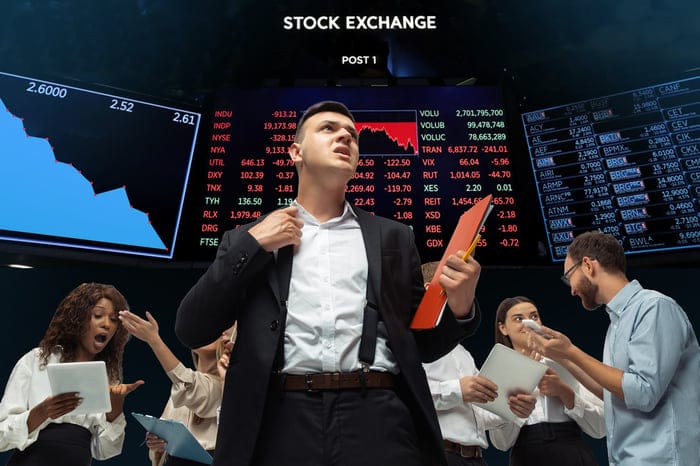
Silver’s Meteoric Rise in 2025
The price of silver experienced an extraordinary surge in 2025, climbing an astonishing 144 percent over the course of the year. This dramatic appreciation has placed the precious metal at the forefront of financial market discussions, attracting significant attention from investors, analysts, and the general public.
The bull run in silver was primarily fueled by a confluence of factors. Speculative demand played a crucial role, with traders and investors pouring capital into the market in anticipation of further price increases. Simultaneously, mounting concerns regarding supply constraints, particularly originating from China, added a layer of fundamental support to the rising prices.
Drivers Behind the Surge
Geopolitical Risks Fueling Demand
A significant catalyst for silver’s ascent in 2025 was the escalating geopolitical landscape. Increased global instability, heightened international tensions, and conflicts in key regions spurred a classic ‘flight to safety’ among investors. Silver, often considered a store of value akin to gold but typically more affordable, saw a substantial influx of capital as a hedge against uncertainty.
The perception of silver as a safe-haven asset intensified as economic outlooks became more clouded. Investors sought tangible assets that could preserve wealth during times of unpredictable global events. This demand, driven by fear and a desire for security, added considerable upward pressure to silver prices throughout the year.
Supply Chain Vulnerabilities and China’s Role
Supply-side issues also contributed significantly to silver’s impressive gains. Concerns over potential disruptions to global supply chains, especially those impacting major mining and refining operations, created an environment ripe for price appreciation. China, a significant player in both the production and consumption of silver, became a focal point of these supply worries.
Any indication of reduced output, export restrictions, or logistical challenges within China could send ripples through the global silver market. The uncertainty surrounding China’s ability to consistently supply the market, whether due to internal economic factors, environmental regulations, or geopolitical considerations, amplified the scarcity premium for silver.
Speculative Demand and Market Sentiment
Beyond fundamental drivers, speculative demand played a pivotal role in accelerating silver’s price trajectory. The rapid ascent itself attracted a new wave of speculative buyers, eager to capitalize on the momentum. This often leads to a self-reinforcing cycle where rising prices encourage more buying, which in turn pushes prices higher.
Market sentiment turned overwhelmingly bullish on silver. News of its rapid price increases generated widespread media coverage, further fueling public interest and encouraging retail investors to participate. This surge in demand, while not solely based on intrinsic value, had a tangible impact on the market, pushing prices well beyond historical averages.
Silver Miners Ride the Wave
The remarkable performance of silver prices naturally had a significant impact on the stock performance of companies involved in silver mining. Shares of silver miners experienced a broadly positive day, reflecting the optimism surrounding the metal’s rally. Investors recognized that higher silver prices translate directly into increased revenues and profitability for these companies.
While the stocks of silver miners benefited from the commodity’s surge, their performance often lagged behind the actual price of silver. This is a common phenomenon in commodity markets, where stock prices incorporate various other factors, including operational costs, management efficiency, debt levels, and overall market sentiment towards the equities sector, not just the underlying commodity price.
Historical Parallels and Future Outlook
The dramatic price action of silver in 2025 invites historical comparisons and raises questions about its sustainability. Analysis of past silver market cycles suggests that periods of rapid, parabolic ascent are often followed by significant corrections or even crashes.
Historically, silver prices have exhibited a higher degree of volatility compared to gold. Sharp run-ups, often driven by speculation and a surge in industrial or investment demand, can be followed by swift reversals. These reversals can occur when the speculative fervor wanes, geopolitical tensions ease, or when underlying economic conditions shift, leading to a reassessment of the metal’s value.
The Specter of a 2026 Correction
With silver having more than doubled in price in 2025, historical patterns suggest that a significant pullback in 2026 is a distinct possibility. This potential correction could be triggered by a variety of factors, including a stabilization or de-escalation of geopolitical risks, a resolution of supply chain bottlenecks, or a general cooling of speculative interest.
Investors are therefore advised to exercise caution. While the drivers of the 2025 rally were substantial, the market’s tendency towards mean reversion means that such extreme price movements often cannot be sustained indefinitely. A deleveraging of speculative positions or a shift in broader market sentiment could lead to a rapid unwinding of the gains seen in the previous year.
Understanding Silver’s Market Dynamics
Silver’s unique position as both a precious metal and an industrial commodity means its price is influenced by a dual set of drivers. As a precious metal, it acts as a store of value, a hedge against inflation, and a safe-haven asset during times of economic or geopolitical uncertainty. This aspect of silver’s appeal was particularly prominent in 2025.
As an industrial commodity, silver is critical for various sectors, including electronics, solar panels, and medical devices. Demand from these industries can significantly impact prices. When industrial output is strong and technological innovation drives adoption of silver-intensive products, demand increases. Conversely, a global economic slowdown can dampen industrial demand, putting downward pressure on prices.
The Role of Central Banks and Monetary Policy
Monetary policy, particularly that of major central banks like the U.S. Federal Reserve and the European Central Bank, plays a crucial role in the silver market. Periods of loose monetary policy, characterized by low interest rates and quantitative easing, often make precious metals like silver more attractive. This is because lower interest rates reduce the opportunity cost of holding non-yielding assets like silver, while inflationary pressures can drive demand for inflation hedges.
Conversely, tighter monetary policy, with rising interest rates, can make interest-bearing assets more appealing and increase the cost of holding commodities. Changes in central bank rhetoric and policy decisions can therefore lead to significant shifts in investor sentiment towards silver. The global monetary environment of 2025 likely contributed to the supportive backdrop for silver’s price appreciation.
Beyond the Numbers: What Silver Represents
The price of silver is not merely a reflection of supply and demand dynamics; it also embodies broader economic and societal trends. Its surge in 2025 can be interpreted as a signal of heightened global anxiety and a quest for tangible security in an increasingly complex world.
The metal’s dual nature—its allure as a store of wealth and its essential role in modern technology—positions it uniquely. As the world continues to grapple with geopolitical challenges and navigates technological advancements, silver’s importance is likely to remain a focal point for investors and industry alike.
Looking Ahead: Prudence in Volatile Markets
While the 144% rise in silver prices during 2025 is a remarkable event, investors are reminded that markets are cyclical. The historical tendency for sharp increases to be followed by pullbacks cannot be ignored.
Prudence and diversification remain key strategies for navigating volatile markets. Understanding the complex interplay of geopolitical events, supply chain resilience, speculative activity, and industrial demand will be crucial for anyone seeking to participate in or analyze the silver market moving forward.
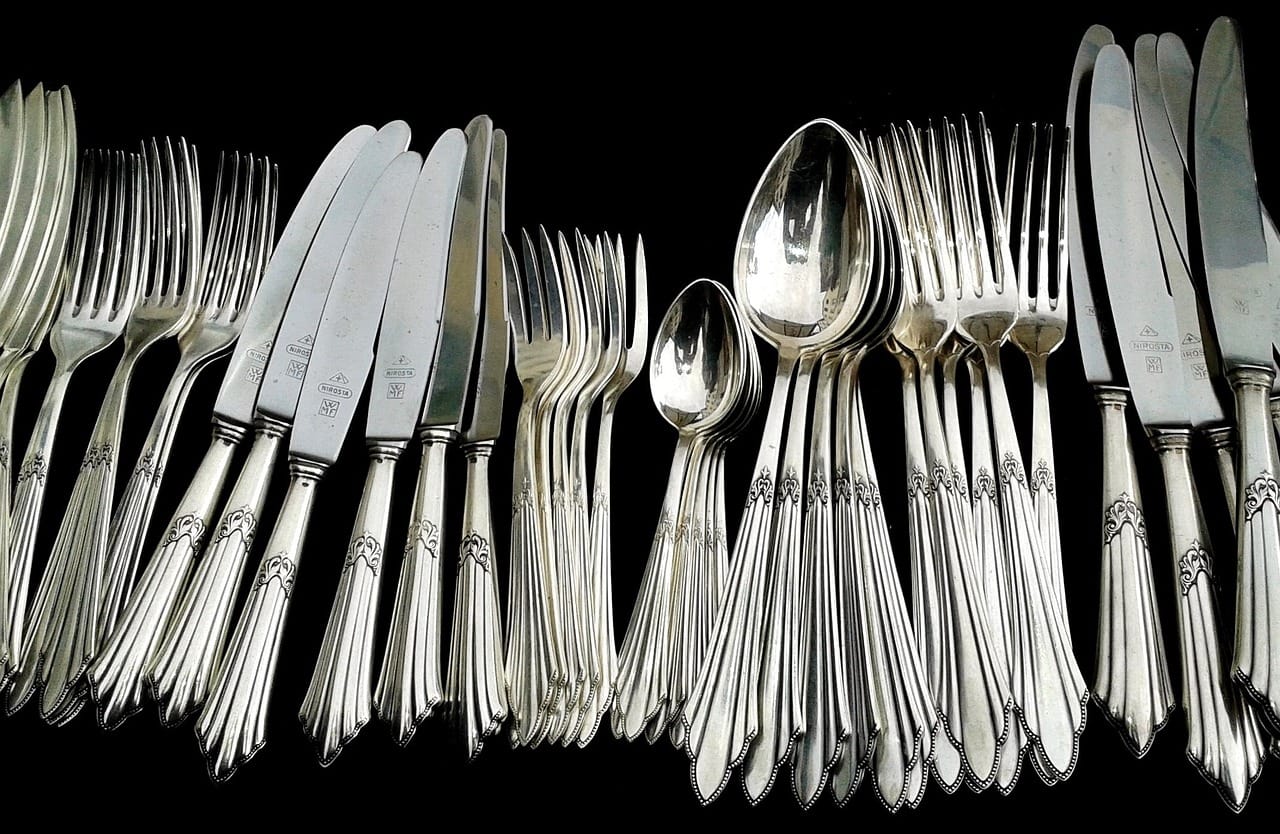
Photo by cocoparisienne on Pixabay.