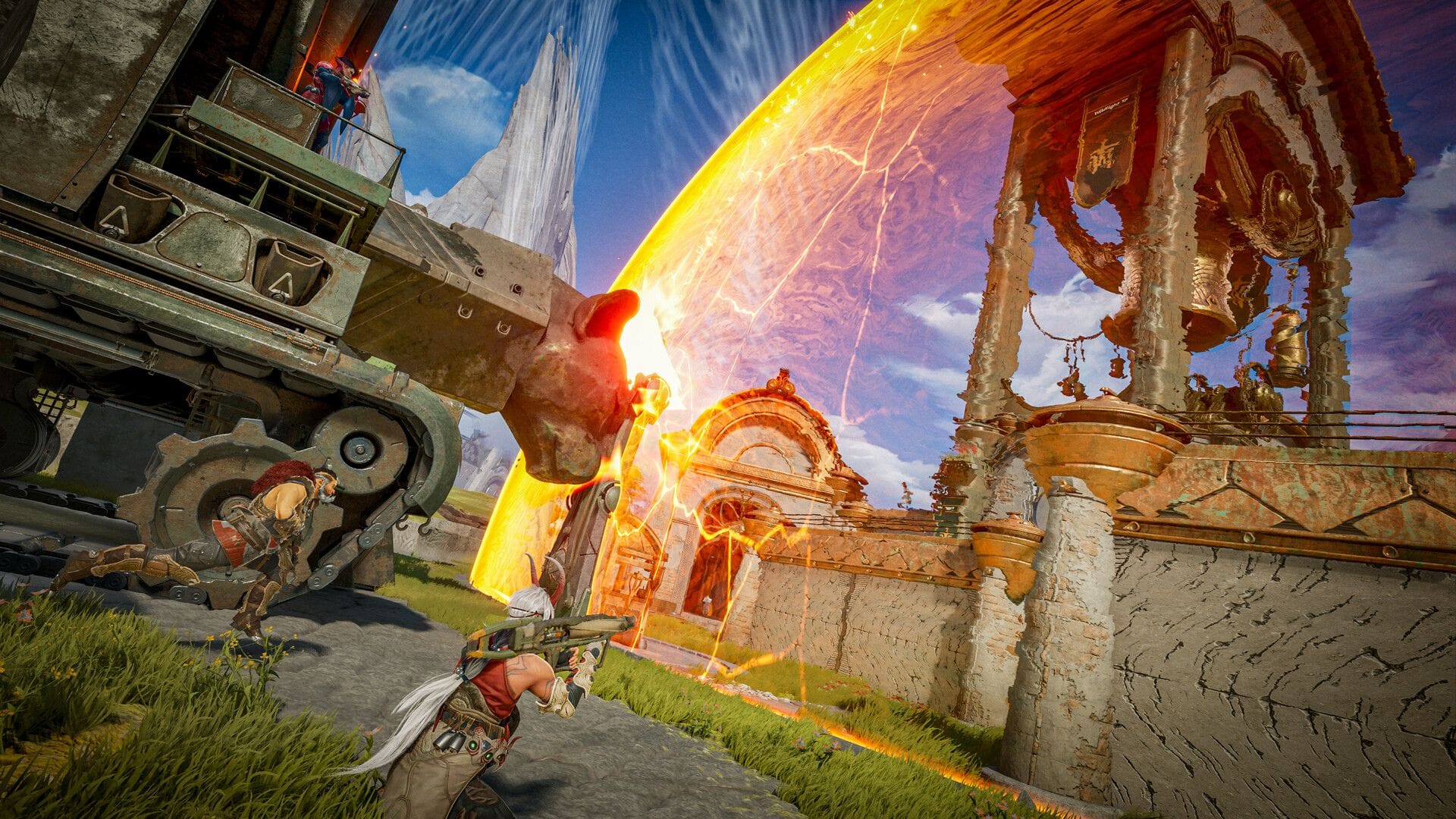
Highguard: The New Contender in the PvP Shooter Arena
Highguard, a highly anticipated free-to-play PvP raid shooter, has officially confirmed its release details. The game, developed by a team including veterans from the creation of Respawn’s popular titles Apex Legends and Titanfall, made a significant splash with its end-of-show reveal trailer at The Game Awards 2025.
This debut has placed Highguard firmly on the radar for enthusiasts of competitive online gaming. The reveal trailer itself generated considerable buzz, setting the stage for what developers hope will be a major new player in the free-to-play shooter market.
Behind the Scenes: Developer Pedigree and Debut Buzz
The pedigree of the development team behind Highguard is noteworthy. Comprising individuals who were instrumental in the success of Apex Legends and Titanfall, the game benefits from a wealth of experience in crafting engaging and competitive multiplayer experiences.
The decision to debut at The Game Awards, particularly with a finale slot, was a strategic move. This prime placement ensured maximum visibility for the title, reaching a vast audience of gamers and industry observers during a high-profile event.
Speculation Surrounding the Game Awards Showcase
Following its prominent appearance, considerable speculation arose regarding the cost of Highguard’s finale slot at The Game Awards. It was widely assumed that such a coveted position would require substantial financial investment from the developers.
However, sources close to the development have indicated that Highguard did not pay for its prestigious placement. This suggests a different strategy, perhaps a partnership or a mutual benefit arrangement, was at play for securing such a high-profile reveal.
The Free-to-Play Model and Its Implications
Highguard’s adoption of a free-to-play model is a critical aspect of its market strategy. This approach is designed to lower the barrier to entry, attracting a broad player base and fostering a large, active community from day one.
The free-to-play model has become a dominant force in the gaming industry, particularly for online multiplayer titles. It allows games to accumulate a significant user base quickly, with revenue often generated through in-game purchases such as cosmetic items or battle passes.
Navigating the Competitive Landscape
By offering the game for free, Highguard aims to compete directly with established giants in the shooter genre. The success of this model hinges on retaining players through compelling gameplay, regular content updates, and a robust monetization strategy that players perceive as fair.
The challenge for any new free-to-play title is to stand out in a crowded market. Highguard will need to offer a unique gameplay loop and a compelling reason for players to invest their time and, potentially, their money into its ecosystem.
The Secure Boot Controversy: A Barrier to Entry?
A significant point of discussion and potential controversy surrounding Highguard is its requirement for Secure Boot and a Trusted Platform Module (TPM) to run. These are security features integrated into modern PCs.
Secure Boot is a UEFI firmware feature designed to ensure that a device boots using only software that is trusted by the Original Equipment Manufacturer (OEM). TPM is a hardware security module that can help protect against advanced attacks.
Excluding Gamers and Operating Systems
This stringent requirement means that players looking to run Highguard will need to have these features enabled on their PCs. This could inadvertently exclude a segment of the gaming community, particularly those who have disabled these features for various reasons.
Furthermore, the requirement for Secure Boot and TPM actively impacts Linux users and other gamers who prioritize kernel-level privacy or who run alternative operating systems. These players often have specific configurations that may not easily accommodate or be compatible with these security protocols.
The Tech-Conscious Gamer’s Dilemma
For many technically inclined gamers, disabling Secure Boot or avoiding TPM is a deliberate choice related to system control, privacy, or compatibility with specific software. Highguard’s mandate forces these users to reconsider their system’s security configuration or potentially forgo playing the game altogether.
This decision by the developers could alienate a dedicated and vocal portion of the PC gaming audience. It raises questions about the balance between robust anti-cheat measures and accessibility for all players.
Balancing Security and Player Accessibility
The implementation of anti-cheat measures is crucial for any competitive online game. Systems like Easy Anti-Cheat, which is also listed as a requirement, are standard tools to combat cheating and ensure fair play.
However, the specific hardware-level requirements for Secure Boot and TPM are less common and present a more significant hurdle. Developers face a constant challenge in implementing effective anti-cheat without creating undue barriers for legitimate players.
The Future of Highguard’s Player Base
The success of Highguard will depend not only on its gameplay and free-to-play model but also on how it addresses these accessibility concerns. Developers may need to consider alternative solutions or clearer communication to mitigate the backlash from potentially excluded player groups.
As the game approaches its launch, the community’s reaction to these technical requirements will be a key indicator of its potential player base and overall reception. Highguard’s journey from a Game Awards reveal to a full launch will be closely watched.