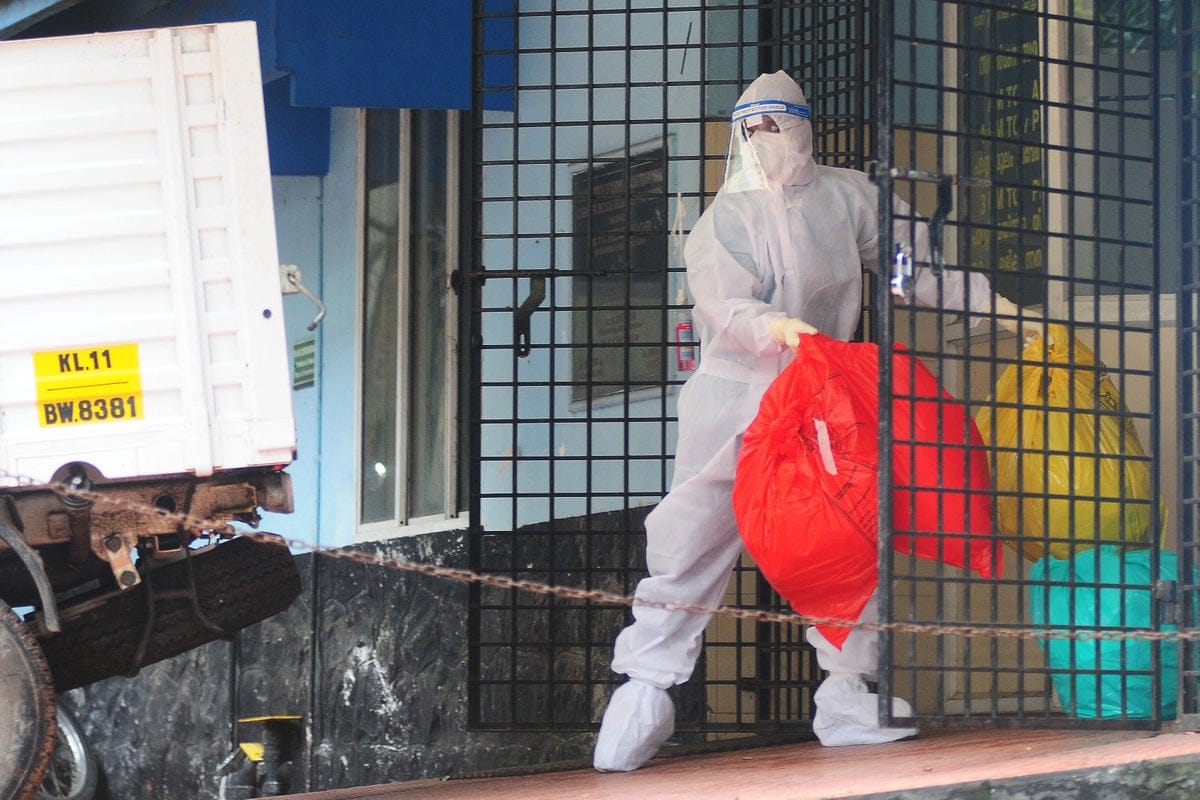
The sterile calm of a hospital corridor in India was shattered by the confirmation of two cases of a rare and terrifying pathogen: the Nipah virus. This bat-borne menace, known for its high fatality rate and lack of a vaccine or cure, has sent health authorities into overdrive.
A nationwide alert has been issued, and intensive local quarantine and surveillance measures are now in effect. The gravity of the situation is amplified by the virus’s aggressive nature and the fear it instills.
A Race Against Time
Health experts are now engaged in a desperate race against time to contain the Nipah virus outbreak. The confirmation of the two cases has ignited a swift and coordinated response from national and local health organizations.
The immediate priority is to trace the contacts of the infected individuals and prevent further spread. This involves meticulous mapping of their movements and interactions in the days leading up to their diagnosis.
Understanding the Threat: What is Nipah Virus?
Nipah virus is not a new adversary, but its rare occurrences often make it a significant public health concern when they do emerge. It is a zoonotic virus, meaning it can pass from animals to humans. Initially identified in Malaysia in 1999, it has since appeared in other Asian countries, including India, Bangladesh, and the Philippines.
The primary natural reservoir for the Nipah virus is believed to be fruit bats, also known as flying foxes. These bats can carry the virus without showing symptoms. They transmit it to other animals, such as pigs, through their saliva, urine, or feces. Humans then become infected through direct contact with infected animals or by consuming food contaminated by infected bats, like raw date palm sap.
Symptoms to Watch For
The symptoms of Nipah virus infection can be deceptive, often mimicking other common illnesses, which can delay diagnosis. Initial symptoms can include fever, headache, drowsiness, disorientation, and mental confusion. These can progress rapidly.
As the virus attacks the central nervous system, it can lead to encephalitis, an inflammation of the brain. This can manifest as severe neurological problems, including convulsions and coma. Respiratory illness, characterized by cough and difficulty breathing, is also a common feature, particularly in some outbreaks.
The incubation period for Nipah virus can range from 4 to 14 days, though in some cases, it has extended up to 45 days. The fatality rate of Nipah virus is alarmingly high, often ranging from 40% to 75% of infected individuals. This stark statistic underscores the urgency of containment efforts.
The Indian Context: West Bengal on High Alert
The confirmation of five cases of Nipah virus in West Bengal has placed the state and surrounding regions under intense scrutiny. While the initial reports indicated two cases, further developments have brought the total to five, escalating concerns among public health officials.
The affected areas are now subject to stringent surveillance. Health workers are on the ground, actively monitoring for any new potential cases and ensuring that those identified are isolated and receiving care. The goal is to create a protective cordon around the outbreak zone.
The proximity of these cases to densely populated areas raises the stakes. Swift and effective public health interventions are crucial to prevent the virus from gaining a foothold and spreading exponentially.
A High-Risk Pathogen
The World Health Organization (WHO) classifies Nipah virus as a pathogen of high consequence. This designation is due to its potential for causing severe disease and significant mortality, as well as its capacity for epidemic transmission.
The lack of specific antiviral treatments or vaccines means that medical care largely focuses on supportive management. This involves intensive care for severe respiratory and neurological complications. Preventing transmission is therefore paramount.
“We are dealing with a pathogen that is highly unpredictable and poses a significant threat to public health. Our teams are working around the clock to trace contacts, isolate cases, and ensure that no stone is left unturned in our containment efforts,” stated a senior health official involved in the outbreak response.
The ongoing situation in India is a stark reminder of the persistent threat posed by zoonotic diseases. As the world continues to navigate the complexities of emerging infectious diseases, preparedness, rapid response, and international cooperation remain our most potent weapons.