Iowa Faces Record-Setting Cold, Widespread School Closures
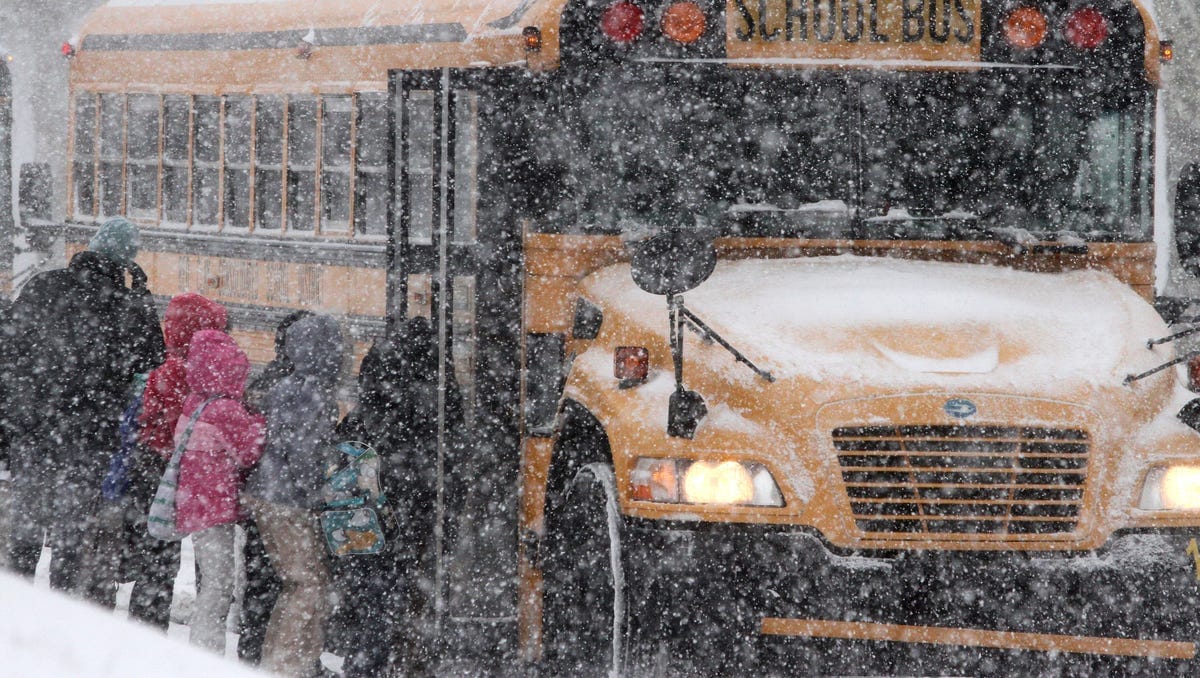
Iowa is bracing for an intense cold front set to arrive late Thursday night, triggering widespread concern and leading to the immediate closure or delay of classes across dozens of school districts. This includes the state’s capital, Des Moines, which announced that its schools would be among those canceling classes for Friday morning, underscoring the severity of the impending weather.
The National Weather Service has issued an extreme cold warning spanning most of Iowa for Friday, signaling a significant threat to public safety. Forecasters anticipate wind chills could plummet to as low as -40 degrees Fahrenheit in central Iowa, conditions that pose severe risks of frostbite and hypothermia within minutes of exposure.
Immediate Impact: Schools Shut Down Across the State
The decision by Des Moines Schools and numerous other districts to cancel classes reflects a proactive measure to protect students and staff from dangerously low temperatures. These widespread closures affect thousands of families, necessitating last-minute adjustments for childcare and daily routines.
The timing of the cold snap, intensifying late Thursday night and persisting through Friday morning, means that early morning commutes, particularly for children waiting for buses or walking to school, would occur during the most perilous conditions. School administrators across the state are prioritizing safety above all else, acknowledging the potential for life-threatening exposure.
The Peril of Plunging Temperatures: Understanding Wind Chill
When temperatures drop drastically, the concept of ‘wind chill’ becomes paramount in assessing the real danger to human health. It’s not just the air temperature that matters, but how quickly the body loses heat when exposed to both cold and wind. A -40 wind chill indicates an exceptionally rapid rate of heat loss from exposed skin.
This phenomenon occurs because wind blows away the thin layer of warm air that naturally surrounds the body, making the ambient temperature feel much colder than what a thermometer alone would indicate. At -40 degrees Fahrenheit wind chill, exposed skin can develop frostbite in as little as 5 to 10 minutes, making any outdoor activity extremely hazardous.
Beyond the Thermometer: The Danger of Wind Chill
The human body is remarkably resilient, but its ability to regulate internal temperature is severely tested by extreme cold and high wind. Frostbite, a serious condition where body tissue freezes, most commonly affects extremities such as fingers, toes, ears, and the nose. It can lead to permanent tissue damage, and in severe cases, amputation.
Hypothermia, an even greater threat, occurs when the body loses heat faster than it can produce it, leading to a dangerously low core body temperature. Symptoms can include shivering, confusion, slurred speech, and loss of consciousness. Without immediate medical attention, hypothermia can be fatal, particularly for the very young, the elderly, and those with pre-existing health conditions.
Safety First: Why Schools Make the Call
The decision to close schools due to extreme cold is never taken lightly, as it disrupts education and creates logistical challenges for families. However, the paramount concern is always the safety and well-being of students and staff. Several factors weigh heavily on school administrators’ decisions.
Children are especially vulnerable to cold weather hazards. Many may not have adequate winter clothing to withstand prolonged exposure at bus stops, or they may have to walk considerable distances in dangerous conditions. School bus engines and other transportation infrastructure can also fail in extreme cold, stranding students or delaying routes, further increasing exposure risks.
Furthermore, maintaining comfortable and safe indoor temperatures can be a challenge for older school buildings when outdoor temperatures are exceptionally low. The potential for heating system failures, burst pipes, or other infrastructure issues during a deep freeze adds another layer of complexity to school operations, making closures a necessary precaution.
Societal Ripples: The Broader Impact of Weather Disruptions
Widespread school closures, while essential for safety, send ripples throughout the broader community, impacting families, local economies, and public services. The immediate aftermath of such decisions often reveals the intricate dependencies within a modern society.
Parents, especially those with limited flexibility in their work schedules, face immediate challenges in arranging alternative childcare. This often means missing work, coordinating with relatives or neighbors, or having older children supervise younger siblings, all of which come with their own set of economic and social implications.
Families and Childcare: An Immediate Challenge
For many working families, particularly those in essential services or hourly wage jobs, a sudden school closure can mean a direct loss of income. The economic burden falls disproportionately on those without paid time off or access to reliable, affordable backup childcare options. This creates a ripple effect, impacting household budgets and local consumer spending.
Moreover, the stress associated with unexpected childcare arrangements can take a toll on parental well-being. The scramble to find a safe and warm environment for children, coupled with the pressure of professional responsibilities, highlights the critical role schools play not just in education, but as a fundamental pillar of community support and stability.
Economic Strain and Infrastructure Demands
Beyond individual families, widespread closures can lead to a dip in overall economic activity. Businesses may experience reduced staffing as employees stay home with children or face hazardous commuting conditions. This can result in decreased productivity, delayed services, and a temporary slowdown in local commerce, impacting various sectors from retail to hospitality.
Extreme cold also places immense strain on critical infrastructure. Utility providers grapple with surging demand for heating, pushing electricity and natural gas grids to their limits. The risk of power outages increases, which in sub-zero temperatures can quickly escalate from an inconvenience to a life-threatening emergency, particularly for homes reliant on electric heating.
Transportation networks face significant challenges. Roads can become treacherous due to ice and snow, even with diligent plowing and salting efforts. This impedes emergency services, supply chains, and general mobility, further complicating response efforts and daily life. Airports can experience delays and cancellations, disrupting travel plans far beyond the affected region.
Community Response and Vulnerable Populations
In the face of extreme cold, community resilience is tested. Emergency services, including hospitals and first responders, must be on heightened alert for cold-related injuries and illnesses. Warming shelters often open to provide refuge for those without adequate heating or housing, including the homeless and individuals in precarious living situations.
Vulnerable populations, such as the elderly, individuals with chronic health conditions, and low-income families, are particularly susceptible to the dangers of extreme cold. They may lack the resources for proper heating, warm clothing, or access to emergency services. Community organizations, charities, and local government agencies often play a crucial role in outreach and support during such events, demonstrating the importance of social safety nets.
Preparing for Extremes: A Recurring Midwestern Reality
While an extreme cold warning with -40 wind chills is severe, harsh winters are not unfamiliar to Iowa and the broader Midwestern United States. This recurring reality underscores the critical importance of robust preparedness strategies at individual, community, and governmental levels. Experience dictates that proactive measures are far more effective than reactive ones when battling the elements.
The region has a long history of enduring severe winter weather, from blizzards to extended periods of deep freezes. This institutional memory has led to the development of sophisticated weather forecasting capabilities, emergency management protocols, and public awareness campaigns designed to mitigate risks.
Historical Context: Iowa’s Winter Endurance
Generations of Iowans have developed a certain resilience to winter’s bite, but modern urban living presents new vulnerabilities. The reliance on complex infrastructure for heat, light, and transportation means that severe weather can quickly bring daily life to a standstill. Lessons from past events, such as the devastating polar vortex outbreaks of previous years, continuously inform current preparedness efforts.
Long-term planning involves everything from infrastructure upgrades, like strengthening utility grids and improving road maintenance capabilities, to public education on personal safety during cold weather. These continuous efforts aim to minimize disruption and protect lives when extreme conditions invariably arrive.
The Role of Forecasting and Public Alert Systems
Advanced meteorological forecasting plays an indispensable role in allowing communities to prepare effectively. Early warnings, such as the extreme cold warning issued for Iowa, provide crucial lead time for schools to make closure decisions, for emergency services to staff up, and for individuals to take personal precautions.
Public alert systems, including emergency broadcasts, mobile alerts, and local news advisories, are vital communication channels. They disseminate information on dangerous conditions, safety tips, and the location of warming centers, ensuring that the public is well-informed and can act swiftly to protect themselves and their families. The clarity and timeliness of these communications are often critical in preventing adverse outcomes.
Individual and Community Preparedness Strategies
At the individual level, preparedness involves ensuring homes are adequately insulated and heated, having an emergency kit with non-perishable food, water, blankets, and a battery-powered radio, and knowing how to prevent pipes from freezing. Vehicle preparedness, including a full tank of gas, emergency supplies, and a charged phone, is also crucial for those who must travel.
Communities, meanwhile, engage in extensive planning that includes coordinating emergency shelters, prepositioning snow removal equipment, establishing communication protocols between various agencies, and developing rapid response teams for infrastructure failures. These multi-faceted strategies aim to build a robust defense against the multifaceted challenges posed by extreme winter weather.
Looking Ahead: Adapting to a Changing Climate Landscape
While the immediate focus remains on navigating the current extreme cold event in Iowa, this episode also serves as a poignant reminder of broader environmental trends. Scientists increasingly point to a future characterized by more frequent and intense weather events, a pattern that necessitates continuous adaptation and forward-thinking strategies from all levels of society.
Although a single cold snap cannot be directly attributed to climate change, scientific understanding suggests that a warming Arctic can sometimes lead to disruptions in the polar vortex, allowing frigid air to plunge into lower latitudes, including the American Midwest. This complex interplay of atmospheric dynamics means that even as global temperatures rise, regions can still experience record-breaking cold events.
Beyond This Event: The Trajectory of Extreme Weather
The lessons learned from events like the one currently unfolding in Iowa will undoubtedly inform future preparedness. Governments, infrastructure providers, and communities will continue to assess and refine their emergency protocols, investing in more resilient infrastructure capable of withstanding both extreme heat and extreme cold.
This includes developing more robust energy grids, improving winter transportation infrastructure, and enhancing public health systems to cope with the challenges posed by a more volatile climate. The goal is not just to survive individual events but to build long-term resilience that ensures safety and continuity of life in a changing world.
Lessons Learned and Future Resilience
The widespread school closures in Iowa due to extreme cold highlight the ongoing challenge of balancing daily life with essential safety measures in a dynamic environment. The ability of communities to quickly adapt, communicate effectively, and mobilize resources is paramount.
As the world grapples with the impacts of climate change, the proactive measures taken in Iowa serve as a microcosm of the broader effort required globally. Continuous review of existing protocols, investment in advanced forecasting technologies, and fostering a culture of preparedness will be key to ensuring the well-being of populations in the face of increasingly unpredictable and extreme weather patterns.