
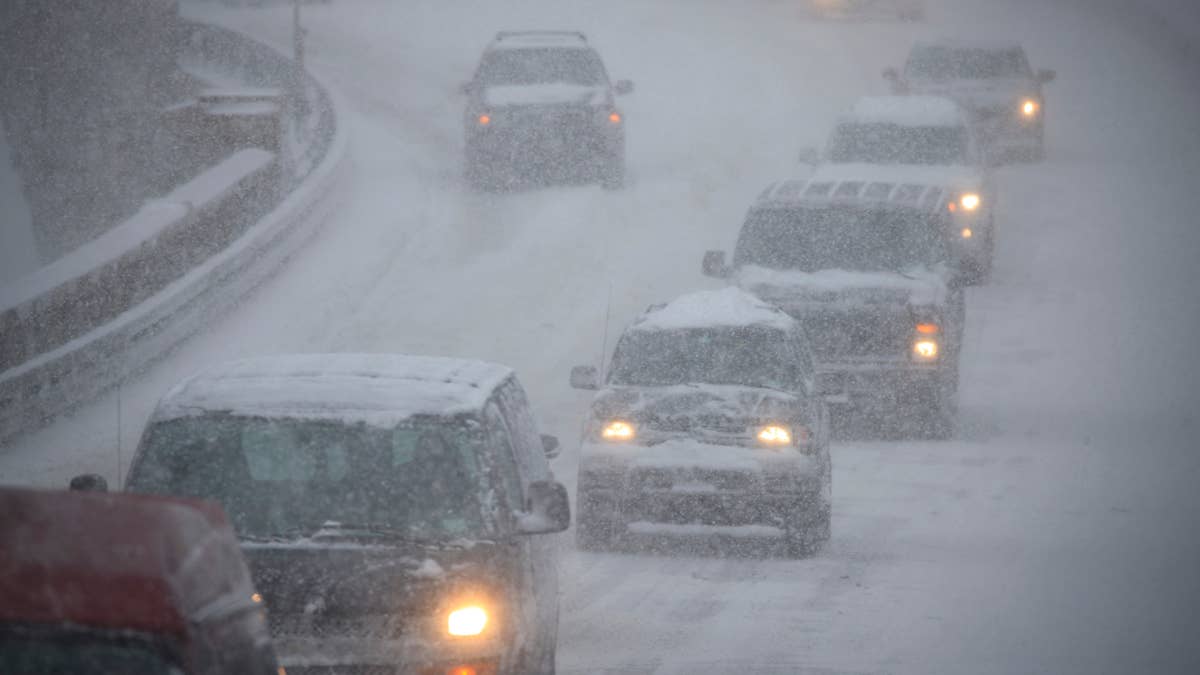
The National Weather Service (NWS) has issued winter storm warnings across central and interior Alaska, forecasting storm total snowfall between 7 and 15 inches, with localized terrain accumulations reaching up to 18 inches. The operational alerts warn of acute transit hazards driven by sustained snowfall rates, winds gusting up to 35 miles per hour, and visibility dropping to one-quarter mile or less.
Transit Vulnerabilities on the Parks Highway Freight Corridor
The warning focuses heavily on the Northern Susitna Valley, encompassing vital transit arteries such as the Parks Highway corridor through Broad Pass, the seasonal Denali Highway, and the Chulitna corridor. The Parks Highway is the primary terrestrial freight and supply conduit connecting Anchorage, the state's economic center, with Fairbanks and interior communities.
High accumulation rates directly challenge standard snow-removal cycles, particularly along high-elevation passes. Compounded by sustained crosswinds that generate active drifting and severe whiteout conditions, sightlines and vehicle conspicuity are sharply diminished, escalating the risk of multi-vehicle freight bottlenecks and operational delays.
Thermal Shift and Pavement Surface Dynamics
Precipitation commenced with antecedent accumulations of 3 to 6 inches before snowfall rates accelerated into Thursday night and Friday morning. NWS modeling indicates a distinct atmospheric warming phase by Friday afternoon, pushing ambient temperatures above the freezing threshold before the warning expires.
This shift from solid snow to mixed precipitation or rain introduces complex mechanical surface hazards. Water intrusion into existing snowbeds creates deep slush, induces hydroplaning risks, and severely reduces tire traction. Furthermore, subsequent cooling cycles threaten rapid surface refreezing, creating hazardous sheet ice along unsalted or poorly drained highway sections.
Interior Demands and Infrastructure Management
Beyond the Susitna Valley, winter conditions have extended into Fairbanks and the Tanana Valley, where 35 mph winds exacerbate localized drifting. Secondary and seasonal assets, notably the Denali Highway, require prioritized resource deployment from the Alaska Department of Transportation and Public Facilities (DOT&PF).
With maintenance units facing rapid snow accumulation coupled with changing precipitation phases, logistical operators and municipal agencies must navigate reduced infrastructure capacity until mechanical clearing and temperature moderation stabilize pavement conditions.
Photo by NWimagesbySabrinaE on Pixabay.