
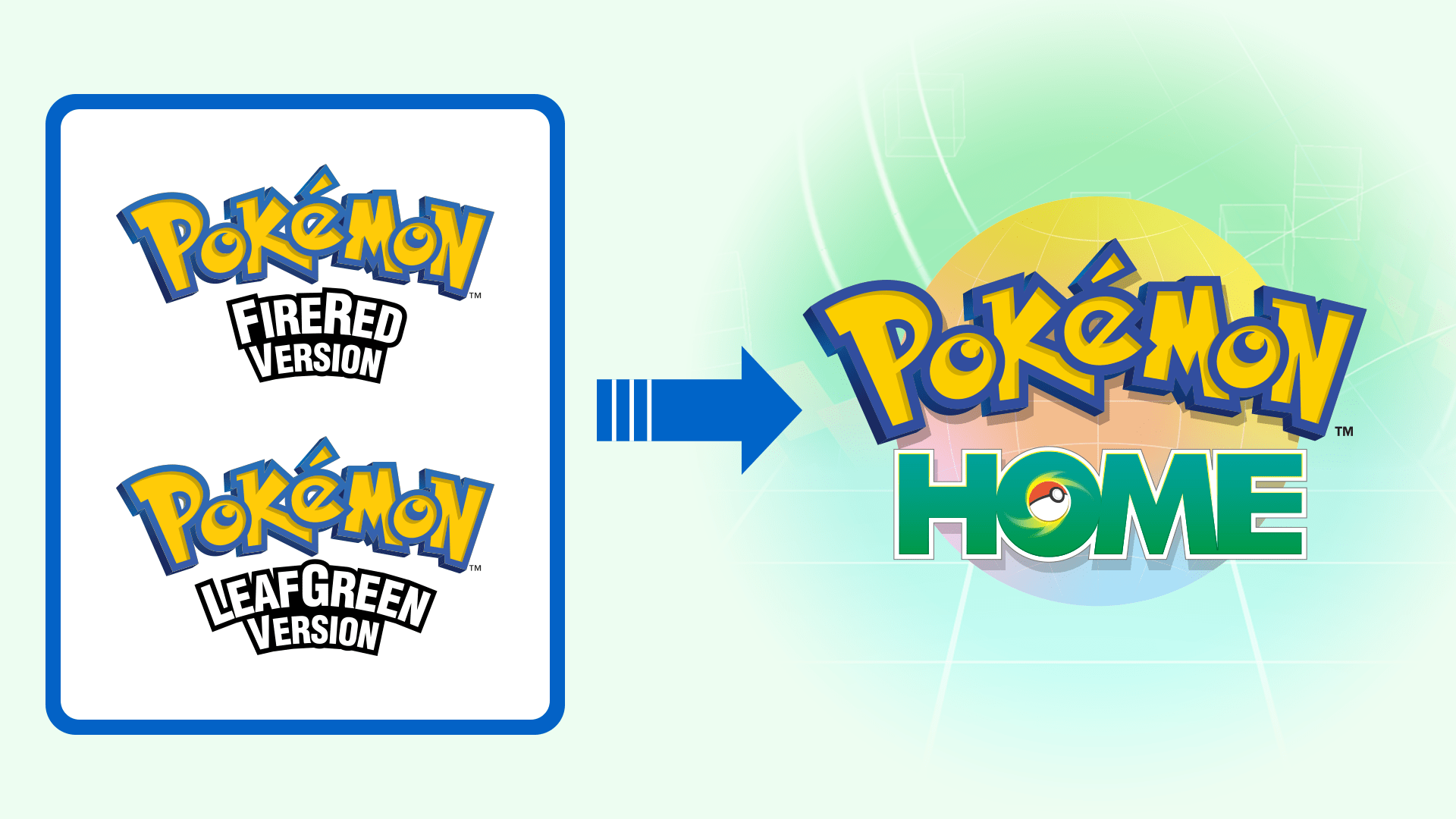
Architectural Framework of Legacy Title Integration
The technical bridging of Pokémon FireRed Version and Pokémon LeafGreen Version on Nintendo Switch with the Pokémon HOME cloud infrastructure represents a critical evolution in cross-generational software management. By interfacing localized 32-bit Game Boy Advance architecture with modern centralized cloud databases, platform architects have operationalized legacy game progress within an active live-service ecosystem. This deployment establishes an institutional data conduit, converting isolated single-player save states into networked digital inventory.
Rather than confining retrospective catalog entries to read-only emulated sandboxes, this deployment incorporates historical assets directly into the modern Pokémon pipeline. Cloud synchronization maps local save data to persistent server registries, allowing captured entities to transition from static local memory into dynamic, multi-title registries. This framework preserves long-term user equity across platform generations while anchoring historical software catalog value to central subscription services.
Migration Governance: Asymmetric Data Flow and Sandbox Isolation
The data pipeline between the titles and Pokémon HOME enforces a strict unidirectional transfer schema. Digital units transferred out of FireRed or LeafGreen into cloud storage are permanently barred from returning to the source software. This structural asymmetry insulates legacy codebases from downstream data anomalies, mechanical divergences, and modern stat flag discrepancies that would induce corruption within native Game Boy Advance data structures.
Complementing this one-way extraction is absolute inbound boundary isolation. FireRed and LeafGreen function as closed intake environments incapable of receiving foreign digital assets from other franchise titles or modern cloud storage. This walled-garden constraint preserves original campaign balance, native encounter distributions, and internal resource economies against disruption by modern movesets, altered battle mechanics, and post-Generation III parameter creep.
Non-Destructive Pokédex Synchronization and Engagement Incentives
To eliminate friction between inventory retention and registry completion, the update deploys non-destructive Pokédex synchronization. Upon connecting save data to Pokémon HOME, native Pokédex milestones replicate instantaneously to cloud databases without requiring physical asset transfers. Users validate historical completion metrics while keeping active combat rosters intact within their original campaigns.
Platform operators have integrated cross-platform retention mechanics by distributing the Mythical Pokémon Celebi via the Pokémon HOME mobile application upon Kanto Pokédex completion. This reward gating couples console software interaction directly with mobile ecosystem adoption, driving dual-platform engagement and consolidating multi-device session continuity.
Downstream Utility and Competitive Deployment in Pokémon Champions
Assets exported from FireRed and LeafGreen acquire broad operational viability across modern series entries and the competitive framework of Pokémon Champions. Historical captures routed through Pokémon HOME undergo translation layers that reconcile 32-bit legacy attributes with current competitive standards, granting tactical pedigree without destabilizing standardized tournament rules.
This functional deployment transforms retrospective titles into active production pipelines for targeted asset cultivation. Competitive players can leverage native Kanto mechanics to generate unique heritage builds for deployment across modern competitive ladders, extending software utility far beyond passive nostalgic engagement.
Infrastructure Scalability and Precedents for GBA Catalog Expansion
The deployment of FireRed and LeafGreen establishes an extensible technical blueprint for Game Boy Advance cloud interoperability. Industry scrutiny has centered on unconfirmed reports regarding prospective Nintendo Switch adaptations of Pokémon Ruby and Pokémon Sapphire. While these Hoenn-region releases remain officially unannounced, the underlying migration architecture in Pokémon HOME provides a pre-configured, low-friction integration pathway for future 32-bit catalog expansions.
By validating unidirectional data extraction, automated registry mirroring, and cross-application incentive loops on 32-bit titles, platform managers have built an adaptable framework. This model consolidates fragmented intellectual property across console lifecycles, proving that legacy architectures can be effectively monetized and integrated into unified cloud platforms.
Photo by joatseu on Pixabay.