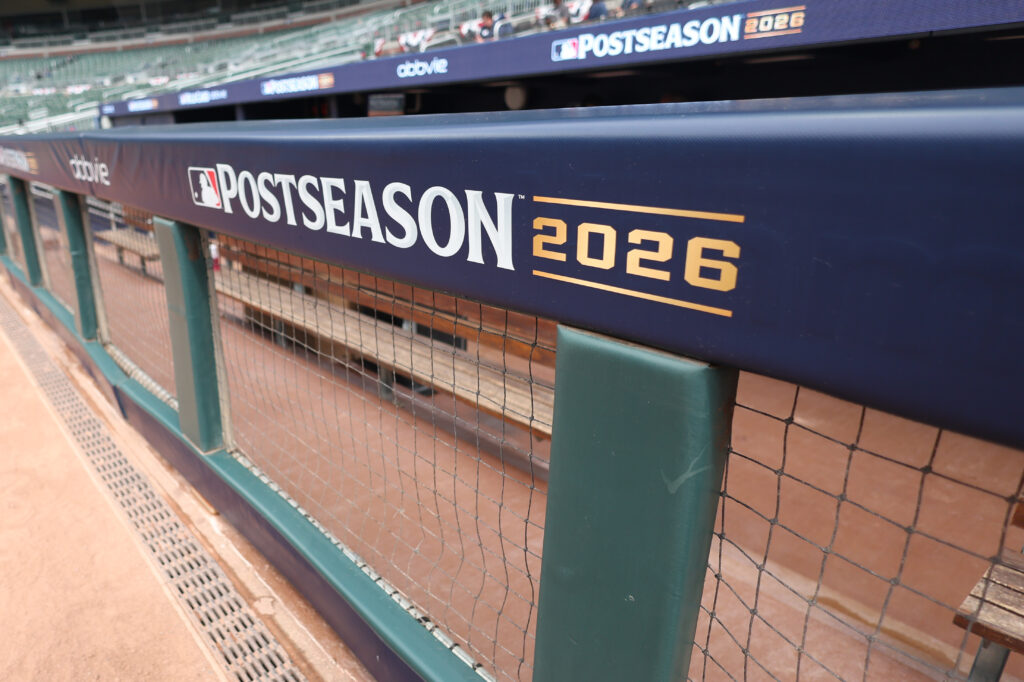
MLB Proposes Strategic Overhaul of Season and Postseason Structure
Major League Baseball has presented a proposal to the MLB Players Association including a reduction to a 154-game regular season and significant playoff format alterations. This initiative aims to enhance player well-being and fan engagement by reshaping the sport’s competitive landscape.
Rationale for a Condensed Regular Season
The league’s proposal for a 154-game season targets improved player health and increased national broadcast visibility. MLB spokesperson Glen Caplin noted a 154-game schedule would allow for a weekly off-day, addressing player fatigue and injury risks. This condensed schedule is intended to create a more focused national broadcast window for showcasing premier teams and star players.
This shift from the 162-game schedule is a strategic move to optimize commercial appeal and operational sustainability. Reducing games aims to mitigate physical toll on athletes, potentially leading to more consistent high-level performance. A dedicated national broadcast window suggests maximizing media rights value and expanding the sport’s reach beyond regional fan bases.
Postseason Enhancements and Strategic Seeding
Beyond regular season adjustments, the proposal introduces playoff modifications to increase drama and strategic complexity. A key element is expanding the Division Series from best-of-five to best-of-seven, extending the duration and narrative potential of these early-round matchups. Furthermore, the league proposes that the highest-seeded teams in both Wild Card and Division Series rounds would select their opponents.
This opponent selection mechanism represents a significant departure from traditional playoff seeding, introducing strategic decision-making. Granting top seeds this power anticipates compelling storylines and heightened competitive intensity, as teams may strategically choose opponents based on matchups or historical performance. The longer Division Series format, combined with strategic opponent selection, aims to ensure prominent featuring of top pitchers and high-stakes games.
Competitive and Financial Implications
The proposed changes carry substantial implications for competitive balance, team strategies, and financial modeling. A shorter regular season could reduce the impact of slumps or injuries, making each game more critical for playoff qualification. This may lead to more teams remaining in contention longer, potentially increasing overall fan interest and ticket sales.
Financially, the focus on a concentrated national broadcast window suggests an effort to command higher media rights fees. By consistently showcasing top teams and players, MLB aims to enhance the perceived value of its broadcast inventory. The expansion of the Division Series to best-of-seven means more potential games, translating to increased inventory for broadcasters and potentially higher revenue for the league and clubs through advertising and sponsorships.
Player Health and Performance Leverage
The emphasis on player health through a reduced schedule directly impacts athletes’ physical and mental well-being. Fewer games mean less cumulative wear and tear, potentially leading to higher quality play late in the season and in the postseason. This could also influence player contract negotiations and long-term career trajectories.
From a performance leverage perspective, a 154-game season may necessitate a more strategic approach to player management, including pitch counts and rest days. Teams may need to adapt analytics and player development strategies to optimize performance over a shorter, potentially more intense period. The ability for top seeds to select opponents could also introduce new team strategy dimensions, encouraging deeper analysis of opponent strengths and weaknesses.
Fan Engagement and Narrative Building
MLB’s strategic vision appears heavily focused on amplifying fan engagement and constructing more compelling narratives. Fewer weekday afternoon games suggest a move towards more prime-time viewing opportunities, aligning with modern media consumption habits. A longer Division Series and strategic opponent selection are designed to create more high-stakes, must-watch events in October.
The narrative potential of top seeds choosing opponents is particularly noteworthy. This could lead to highly anticipated matchups and strategic gambles that capture media attention and fan discussion. By injecting these elements, MLB seeks to transform the postseason into a more dynamic and story-rich event, potentially attracting a wider, more engaged audience.
Potential Challenges and Stakeholder Considerations
While the proposal offers potential benefits, it also presents challenges and requires careful consideration of all stakeholders, particularly the MLB Players Association. The reduction in games directly impacts player salaries, often tied to a per-game basis or annual contracts. Negotiating a fair compensation structure for a shorter season will be a significant hurdle.
Furthermore, the strategic opponent selection mechanism could be viewed by some as undermining competitive integrity if not implemented carefully. Ensuring transparency and fairness in the selection process will be crucial. The league also needs to balance the desire for increased national broadcast value with maintaining strong regional fan bases and the economic impact on local economies.
Industry-Wide Strategic Realignment
The proposed MLB changes signal a broader trend in professional sports towards optimizing schedules for media value, player welfare, and fan engagement. Similar discussions occur in other major sports leagues adapting to evolving media landscapes. This proposal positions MLB to potentially lead in this evolution, setting precedents for similar structural reforms.
The success of this proposal could influence future labor negotiations, broadcast rights deals, and the overall economic model of professional baseball. It represents a proactive attempt to address inherent challenges in a long-season sport while capitalizing on emerging media and entertainment opportunities. The interplay between player health, competitive fairness, and commercial viability will be central to the ongoing dialogue.
Historical Context and Future Outlook
The 154-game schedule concept is not new to MLB, having been the standard for decades before the league expanded to 162 games in 1961. This historical precedent provides a familiar framework, though modern considerations of player health and media economics add complexity. The current proposal attempts to recapture perceived benefits of a shorter season while integrating contemporary strategic objectives.
Ongoing negotiations with the MLB Players Association will be critical in determining the game’s future structure. The league’s willingness to introduce significant changes indicates a strategic imperative to innovate. The ultimate adoption of these proposals will depend on finding common ground that addresses the diverse interests of owners, players, broadcasters, and fans.
Strategic Implications for Team Operations
For individual MLB franchises, a 154-game schedule and best-of-seven Division Series would necessitate recalibrating operational strategies. Roster construction might shift to prioritize depth and durability differently, with greater emphasis on managing player workloads. Analytics departments would likely refine models for performance and fatigue prediction over fewer games, potentially influencing in-game management.
The strategic opponent selection in the playoffs could also impact how teams approach the latter half of the regular season. Teams might prioritize securing higher seeds more aggressively, potentially altering trade deadline strategies or late-season lineup decisions. This adds a new layer of complexity, where regular-season performance is critical not only for qualification but also for gaining a positional advantage in the postseason selection process.
Media Rights and Broadcast Value Dynamics
The league’s stated goal of creating a new national broadcast window highlights the increasing importance of media rights in professional sports economics. By potentially concentrating exciting matchups into a defined period, MLB aims to enhance the perceived value of its broadcast packages, possibly leading to more lucrative deals and increased advertising revenue.
The expansion of the Division Series to best-of-seven also means more potential playoff games, directly translating to more inventory for broadcasters. This extended format could command higher rights fees due to the increased number of high-stakes contests. The strategic element of opponent selection could further enhance viewership, as pre-game and post-game analysis would likely focus on these choices, generating additional fan interest.
Player Development and Talent Management
A shorter regular season could influence player development pipelines. Minor league schedules and player progression might be adjusted to align with the new professional season structure. The emphasis on player health in a 154-game schedule could mean younger players are managed more carefully, focusing on long-term development over immediate game volume.
The strategic advantage gained by top seeds in playoff opponent selection might indirectly affect how teams scout and develop players. A greater focus on specific matchup advantages could lead to more specialized player evaluation, identifying athletes who excel against particular opponents or in high-pressure situations, fostering a more nuanced approach to talent management.
Economic Impact on Clubs and Local Markets
While the proposal aims to boost national revenue, its impact on individual clubs and local markets warrants consideration. A reduction of eight home games per team could decrease local ticket sales and associated economic activity. The league would need to ensure any increase in national revenue adequately compensates for localized economic downturns.
Conversely, more exciting and strategically driven playoff series could increase fan engagement and attendance in October. The opponent selection mechanism, in particular, could generate significant buzz and drive ticket demand. The net economic impact will likely depend on the successful implementation and marketing of these new playoff features.
The Role of the MLB Players Association
The MLB Players Association (MLBPA) is a critical stakeholder. Concerns will likely focus on player compensation, health and safety, and the overall fairness of the proposed changes. Any agreement on a shorter season will require careful negotiation to ensure player salaries are not disproportionately impacted, potentially through adjusted contract structures or revenue-sharing models.
The union will also scrutinize the strategic opponent selection process to ensure it does not create unfair competitive advantages or lead to undue influence by managerial decisions outside of gameplay. Their input will be vital in shaping an equitable proposal beneficial to the athletes.
Competitive Dynamics and Strategic Alliances
The proposed playoff structure introduces a novel element of strategic interaction. The ability for top seeds to select opponents could foster a more dynamic and potentially volatile postseason. This might encourage teams to focus not only on their performance but also on rivals’ strategic positioning, potentially leading to subtle shifts in how teams approach the end of the regular season.
Furthermore, the extended Division Series format means teams must prepare for longer, more intense series. This could influence pitching strategies, bullpen management, and player conditioning. The strategic depth of these matchups could become a significant factor in determining championship outcomes.
Long-Term Vision for MLB’s Market Position
MLB’s proposal reflects a forward-thinking approach to maintaining and enhancing its market position in professional sports and entertainment. By proactively addressing player welfare and seeking to inject more excitement into marquee events, the league aims to align with contemporary audience expectations and media consumption patterns.
This strategic recalibration signals a commitment to innovation and adaptation, essential for long-term relevance. The success of these proposed changes could serve as a blueprint for other sports leagues navigating similar challenges, reinforcing MLB’s influence on the broader sports industry. The ultimate impact hinges on the league’s ability to effectively implement these changes and garner buy-in from key stakeholders.