Strategic Shifts in Localized AI Infrastructure
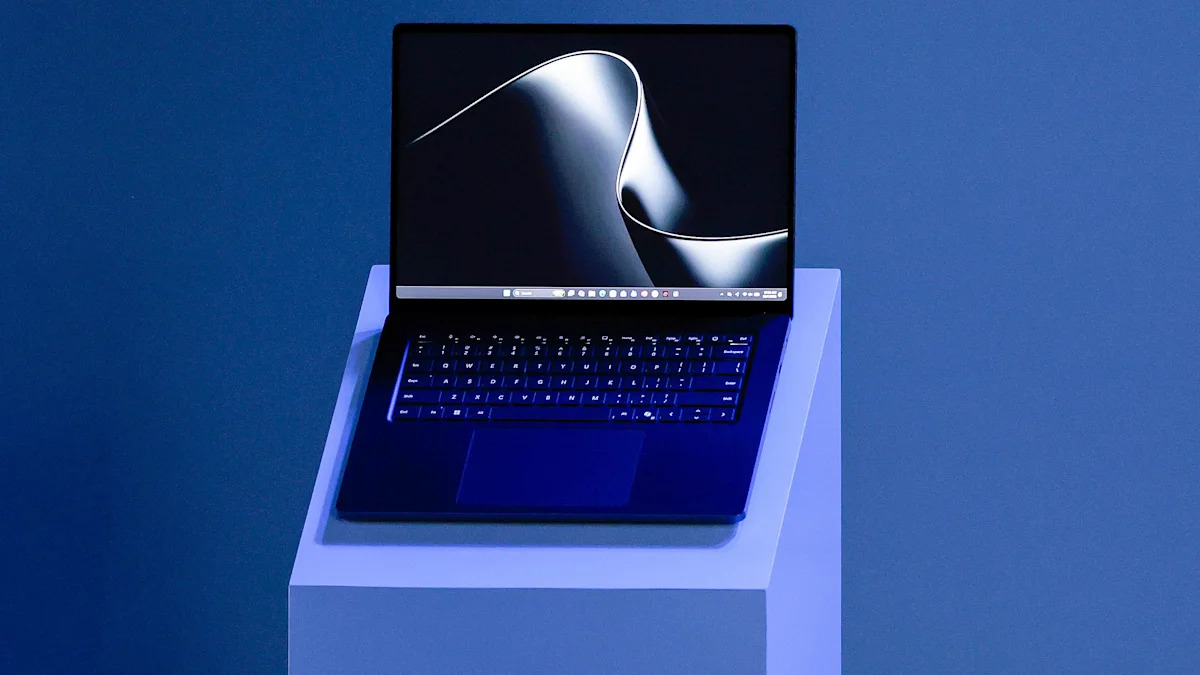
Microsoft has introduced the Surface Laptop Ultra, featuring an integrated Nvidia AI chip, with preorders starting immediately and shipping scheduled for October 16. Priced at $2,599, the device represents an assertive move to embed advanced artificial intelligence processing directly into hardware. Pavan Davuluri, Microsoft’s executive vice president of Windows and devices, detailed the architecture during a company event in San Francisco.
The machine incorporates a magnetic USB-C port—drawing design comparisons to Apple’s MagSafe connector—alongside two standard USB-C ports. While Windows remains the dominant operating system globally for personal computers, Microsoft historically ranks outside the top six PC vendors by unit shipments according to Gartner estimates. This release signals an intent to capture high-value market segments where specialized processing power dictates hardware preference.
The Economic Transition Toward On-Device Processing
The technology sector is orchestrating a transition from cloud-dependent computing to localized artificial intelligence execution. Industry leaders including Microsoft, Apple, and Google are engineering devices capable of managing heavy computational workloads locally. This shift addresses mounting cost structures associated with continuous cloud reliance, freeing users from recurring monthly utility fees tied to remote infrastructure.
Local operation allows users to install and manage diverse open-weight models from multiple artificial intelligence developers without hitting usage caps. Instead of routing prompts exclusively through remote cloud platforms like OpenAI’s ChatGPT, Anthropic’s Claude, Google’s Gemini, or Meta’s Muse, hardware owners execute software directly on personal machines, decentralizing computational overhead from centralized data centers.
Hardware Architecture and Competitive Positioning
Powered by Nvidia’s Arm-based RTX Spark, the Surface Laptop Ultra provides up to 128 gigabytes of onboard memory to sustain intensive local processing tasks. This configuration confronts memory and bandwidth bottlenecks that traditionally restricted sophisticated machine learning models to enterprise-grade server clusters. By packing this capability into a portable form factor, Microsoft and Nvidia target power users and enterprise professionals requiring untethered operational autonomy.
The competitive landscape involves major chip designers and operating system developers, including Intel, AMD, and Apple, converging on the home and office AI deployment thesis. The core value proposition centers on functional independence, enabling users to deploy applications and autonomous agents according to specific operational requirements. Market adoption will test whether professional willingness to invest in high-end hardware matches this supply-side push.
Co-Engineering Foundations and the Agentic Era
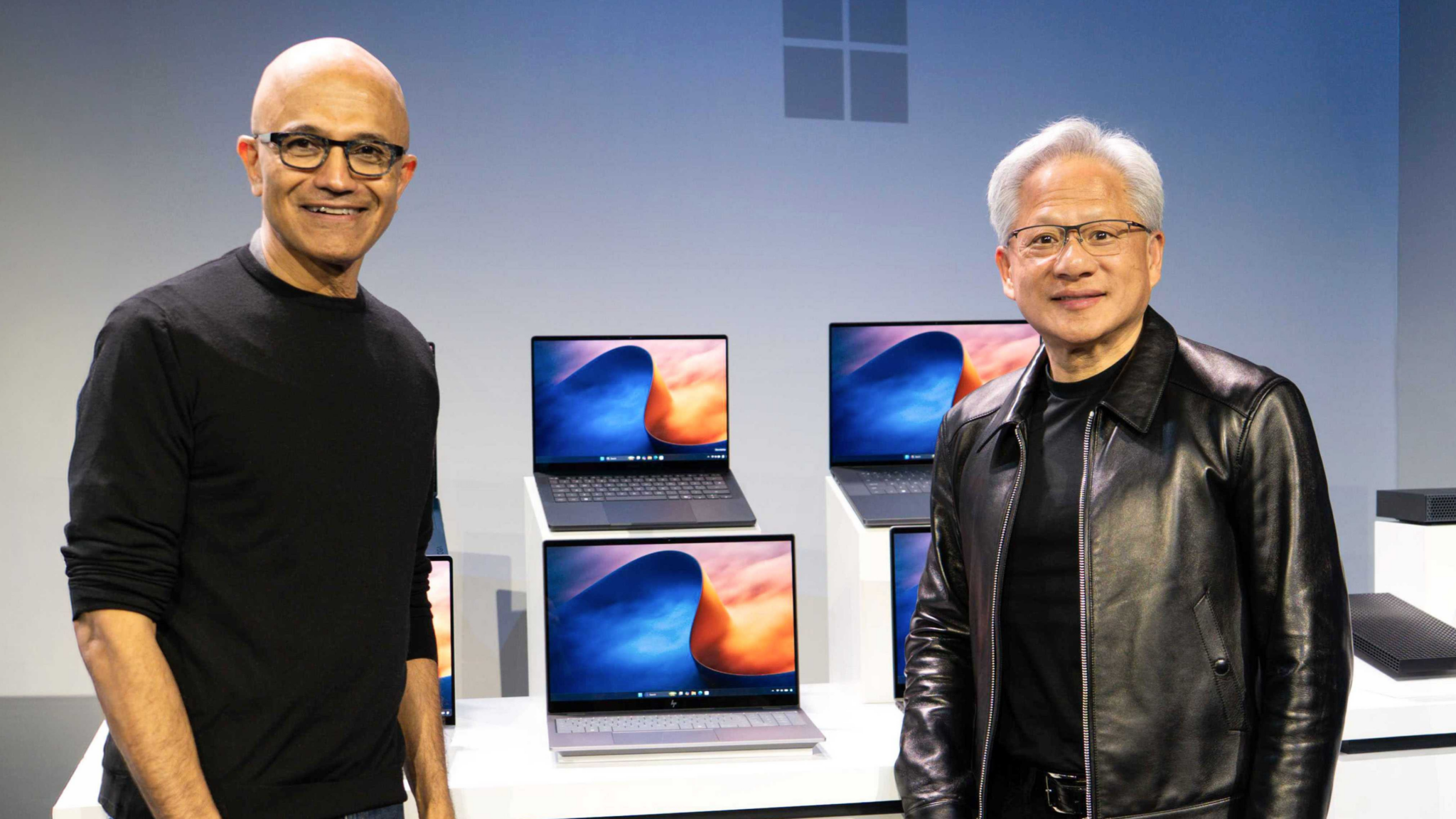
During the San Francisco launch, Nvidia CEO Jensen Huang and Microsoft CEO Satya Nadella detailed a deep co-engineering partnership focused on hardware and software alignment for Windows PCs. Huang highlighted Nvidia’s historical reliance on the Windows ecosystem, tracing its trajectory from founding decades ago to the development of the GeForce architecture. Nadella credited Huang with maintaining a consistent long-term vision regarding personal computing hardware.
The dialogue, moderated by former senior White House AI policy advisor Sriram Krishnan, framed the personal computer as a vital tool for successive generations of users. Executives emphasized that the convergence of Nvidia’s processing architecture and Microsoft’s operating system environment lays the structural groundwork for software agents, establishing a standardized platform for localized artificial intelligence across desktop environments.