Newly released documents from the White House illuminate the extensive investigative measures deployed by the Federal Bureau of Investigation during the inquiry into presidential records stored at Mar-a-Lago. The disclosures center on Operation Plasmic Echo, the tactical core of the special counsel investigation overseen by Jack Smith. These records provide a detailed accounting of federal law enforcement decisions, outlining the mechanisms used to gather intelligence prior to the August 2022 search warrant.
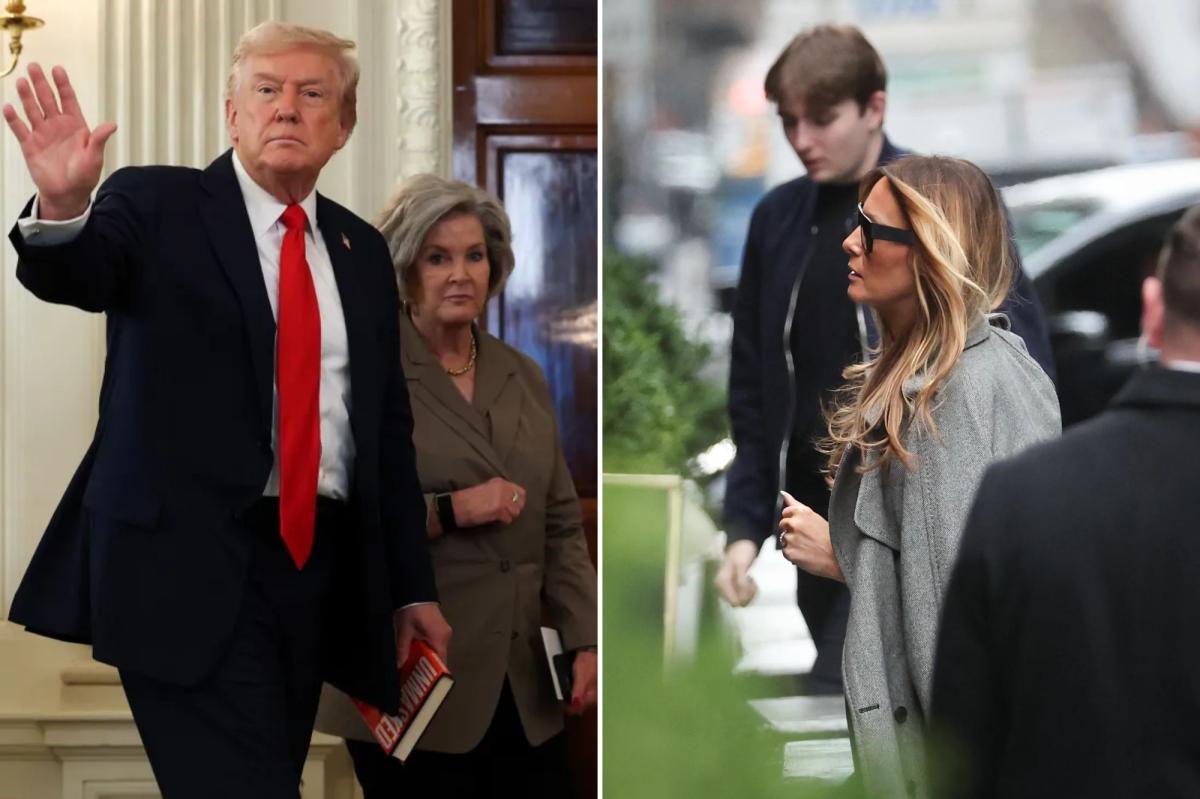
The cache reveals that investigators tracked the travel itineraries of Melania Trump and Barron Trump to determine the most secure window for executing the search at the Palm Beach estate. This operational planning highlights the logistical preparations required for high-profile federal warrants involving a former head of state.
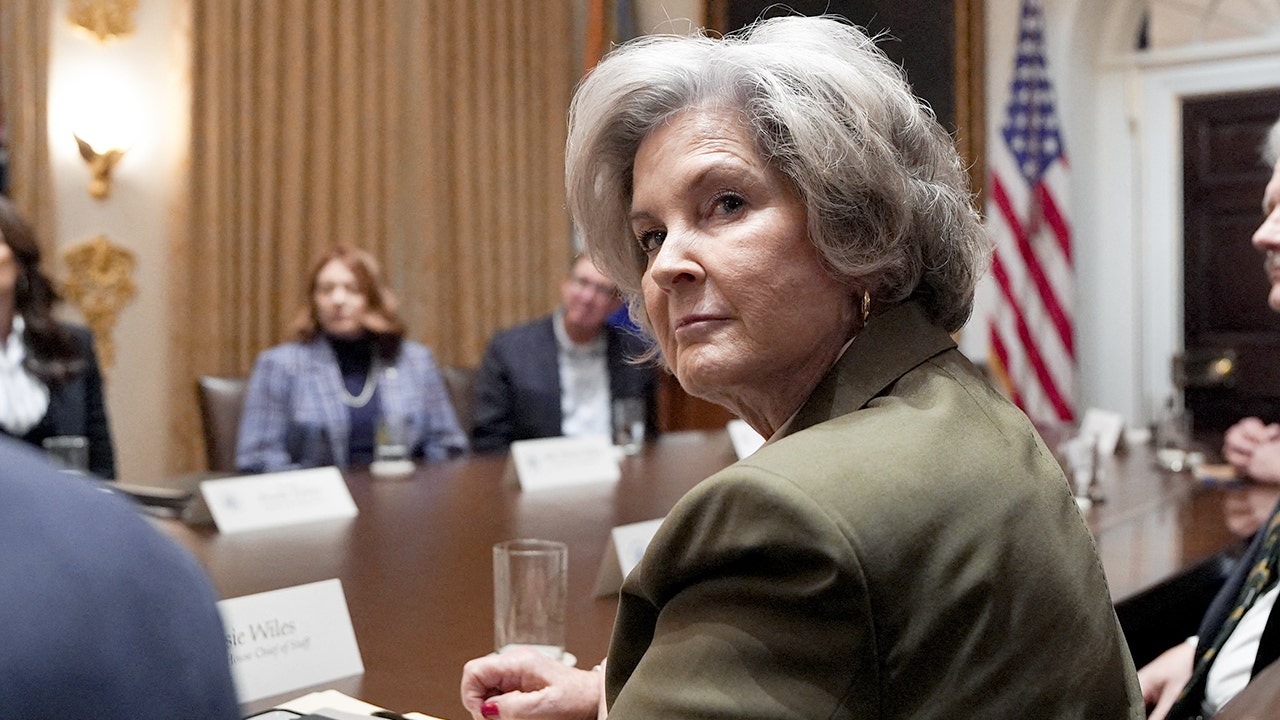
Furthermore, the documents show targeted surveillance of Susie Wiles, now White House Chief of Staff. Phone metadata records indicate the bureau tracked Wiles’ cellular communications from February through May 2023, capturing logs of incoming and outgoing calls, timestamps, and durations. This metadata mapped interactions between Wiles and a network of defense attorneys, campaign personnel, Trump Organization representatives, Secret Service agents, and media members.
Legal authorization originated within the Department of Justice under the Biden administration. Then-Attorney General Merrick Garland approved wiretaps and investigative parameters following memoranda from then-FBI Director Christopher Wray. Communications from May 2022 indicate leadership anticipated the inquiry would encompass high-ranking figures associated with the former president.
Operational Mechanics of Plasmic Echo
Plasmic Echo demonstrates the administrative protocols governing federal investigations of politically sensitive figures. Checklists and internal correspondence from May and June 2022 outline efforts by agents to verify the former first family’s travel schedules, ensuring warrants were served after their departure to minimize confrontation during the high-risk property search.
The inclusion of metadata tracking for individuals outside the immediate target circle, such as political aides and legal counsel, underscores the expansive nature of the counterintelligence probe. By cataloging communication channels, investigators mapped the advisory ecosystem surrounding the former president as potential obstruction inquiries evolved.
These disclosures have reignited debates regarding federal investigative authority. Statements from political figures, including criticism from White House spokesperson Lauren Bis, highlight ongoing friction over the proportionality of investigative steps authorized under the previous administration.
Institutional and Strategic Implications
The public release marks a significant milestone in the administrative lifecycle of the probe. Court records note subsequent legal milestones, including 2023 criminal charges and a 2024 dismissal, framing the temporal boundaries of these actions.
The files offer empirical insight into interagency coordination between the Department of Justice, the FBI, and the Office of the Special Counsel. Formal sign-offs, risk assessments, and logistical checklists illustrate the bureaucratic layers governing sensitive federal actions against political figures, providing a reference point for analyzing procedural safeguards in modern executive investigations.