The Tampa Bay Buccaneers have reached a critical strategic inflection point. A winless 0-4 start, compounded by a significant thumb injury to Baker Mayfield, has exposed fundamental flaws in the franchise’s roster construction. Specifically, the absence of a veteran contingency plan has forced the organization to consider the trade market to prevent a total decoupling of the 2026 season from its financial and competitive objectives.
The Failure of the Single-Point Roster Strategy
The decision to secure Baker Mayfield with a high-value extension while neglecting the backup tier created a single point of failure. When Mayfield exited in Week 3, the transition to Jalon Daniels—an undrafted rookie—resulted in a stark loss of offensive efficiency. This operational oversight has left the front office with little choice but to pursue a mid-season acquisition to restore professional competence to the quarterback room.
San Francisco’s Leverage and Mac Jones’ Valuation
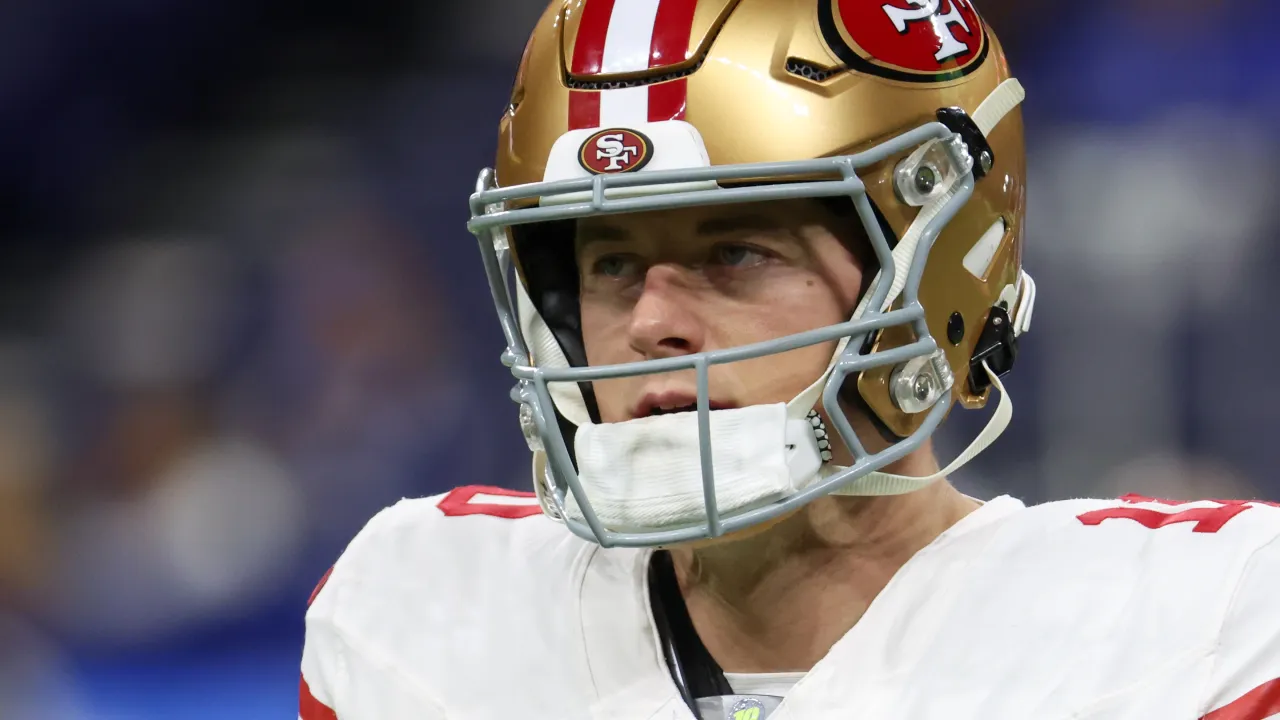
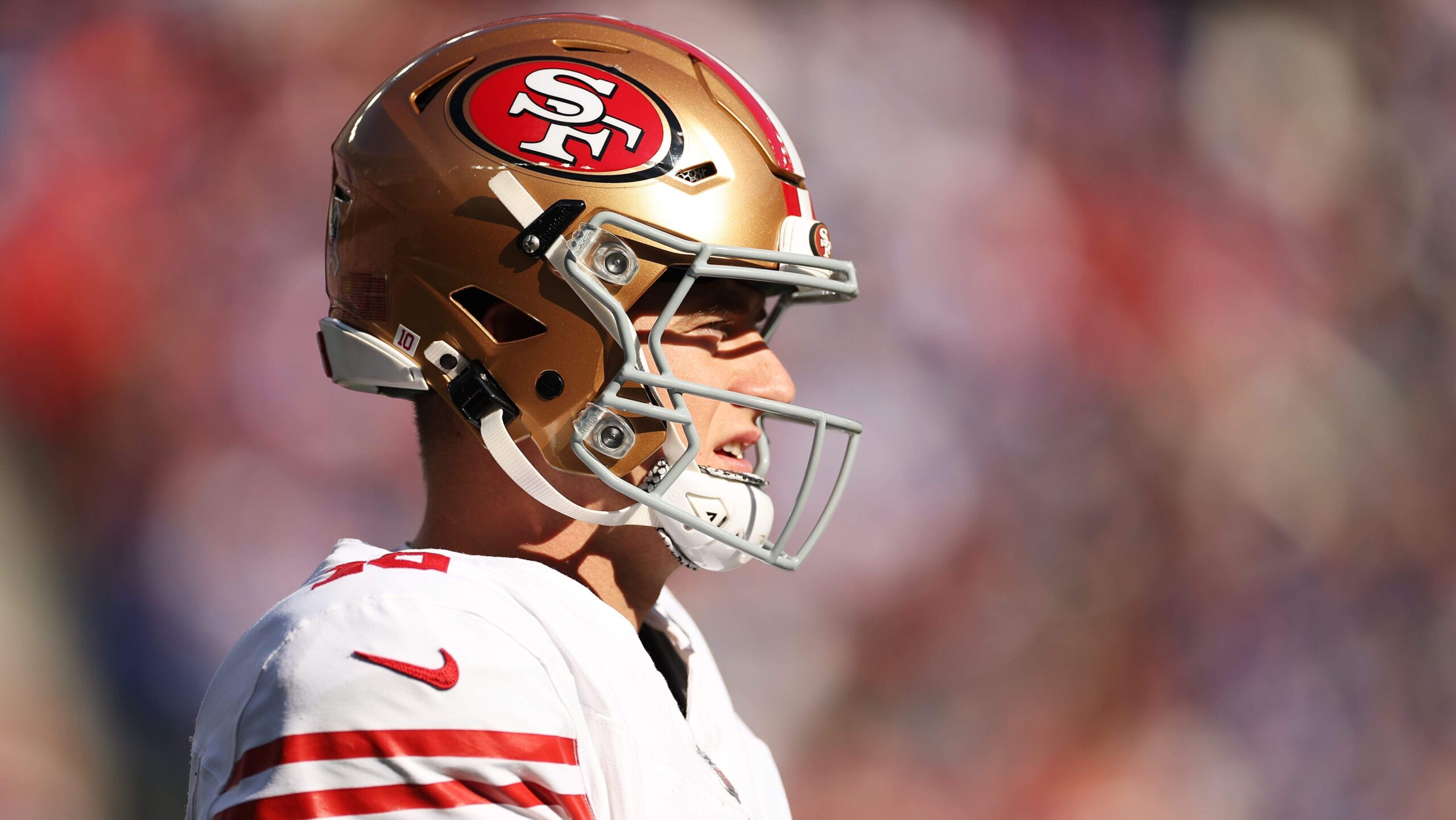
The San Francisco 49ers currently command the market, possessing a surplus of quarterback talent in a league defined by scarcity. Mac Jones, rehabilitated within the 49ers’ system, is now valued as a premier backup asset. Reports indicate San Francisco seeks compensation comparable to a second-round pick, reflecting Jones’ pedigree as a former first-round selection and his readiness to execute complex offensive schemes immediately.
Proposed Trade Mechanics: Risk vs. Asset Management
The proposed framework involves a conditional 2027 third-round pick. This structure serves as a risk-mitigation tool for Tampa Bay, with the pick escalating to a second-rounder based on performance benchmarks like snap counts or postseason qualification. By utilizing a 2027 asset, the Buccaneers address an existential threat to their current campaign without depleting the immediate draft capital needed for the 2025 or 2026 cycles.
Institutional Consequences and Player Rehabilitation
For Tampa Bay, acquiring Jones is a signal of intent to the locker room and stakeholders that the season is not being abandoned. For Jones, the trade offers a path to career rehabilitation. Moving from the shadow of his New England tenure to a distributor role in Tampa Bay’s scheme could redefine his market value. However, the margin for error is non-existent; entering a winless environment mid-season is a high-variance scenario that will either solidify his status as a starter or relegate him to permanent backup status.
Market Implications for Veteran Backups
This potential transaction highlights an evolving NFL trend: the commoditization of ‘starter-capable’ backups. As injuries to high-paid starters increase, the premium on experienced depth rises. If finalized, this deal will establish a new benchmark for mid-season trades, serving as a cautionary tale for franchises that prioritize top-heavy spending over functional roster depth.