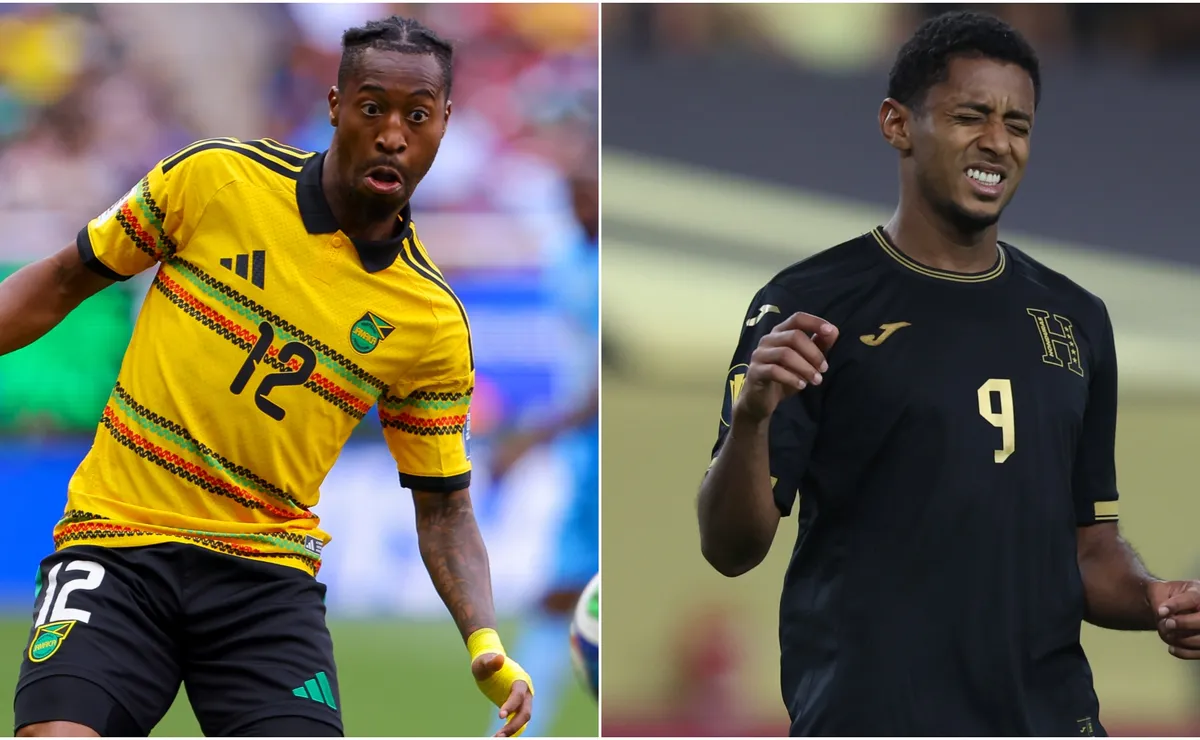
Strategic Imperatives in League A, Group B
The upcoming fixture between Honduras and Jamaica serves as a critical inflection point for Group B of the CONCACAF Nations League. Operating under a modified group-stage format where six teams compete but only play four matches each, the structural architecture of the tournament penalizes any early-stage volatility. With only the top two finishers advancing to the quarterfinals, the encounter at the Estadio Nacional Chelato Uclés shifts from a mid-tier regional match to a high-stakes knockout-style qualifier.
Honduras and Jamaica find themselves in a congested pool alongside Guatemala, Suriname, Martinique, and El Salvador. This unique scheduling requires immediate tactical cohesion; the traditional luxury of a slow start is non-existent. For the Los Catrachos, maximizing home-field advantage in Tegucigalpa is the primary lever to offset the mathematical difficulty of the remaining away fixtures.
Broadcast Architecture and Digital Accessibility
The distribution of media rights for this encounter reflects the bifurcated nature of modern sports consumption. In the United States, linear television rights are consolidated under FOX Sports 2, providing a centralized point of access for cable subscribers. However, the commercial landscape is increasingly defined by OTT (over-the-top) integration. Streaming services including Fubo, FOX One, and ViX are leveraging this fixture to capture the growing demographic of digital-first viewers.
This multi-channel distribution strategy highlights the shifting economic models within regional soccer. By utilizing promotional tiers and subscription-based access, rights holders are prioritizing scalable digital infrastructure to reach a broader North American audience. This accessibility remains a cornerstone of CONCACAF’s commercial viability in the current international window.
Tactical Profiles and Competitive Urgency
The competitive narrative centers on the contrast between Honduran defensive organization and the offensive individual quality found in the Jamaican squad. Featuring Premier League talent such as Leon Bailey, Jamaica enters the match under pressure to rectify earlier point drops. Conversely, Honduras aims to leverage the psychological and environmental variables of their home stadium to consolidate their standing in the upper tier of the group.
Beyond immediate points, this match serves as a diagnostic tool for both federations regarding squad depth and the management of international workloads. The performance metrics recorded in Tegucigalpa will directly influence seeding for future qualification cycles. As regional rivals with a long-standing competitive history, this match acts as a definitive benchmark for their respective trajectories heading into the 2026/27 cycle.