
Professional sports leagues operate under complex operational frameworks where oversight mechanisms govern every participant on the field. The integrity of officiating standards remains central to the commercial and competitive viability of modern professional leagues. When controversies emerge regarding on-field conduct, they invariably test the institutional resilience of league governance models.
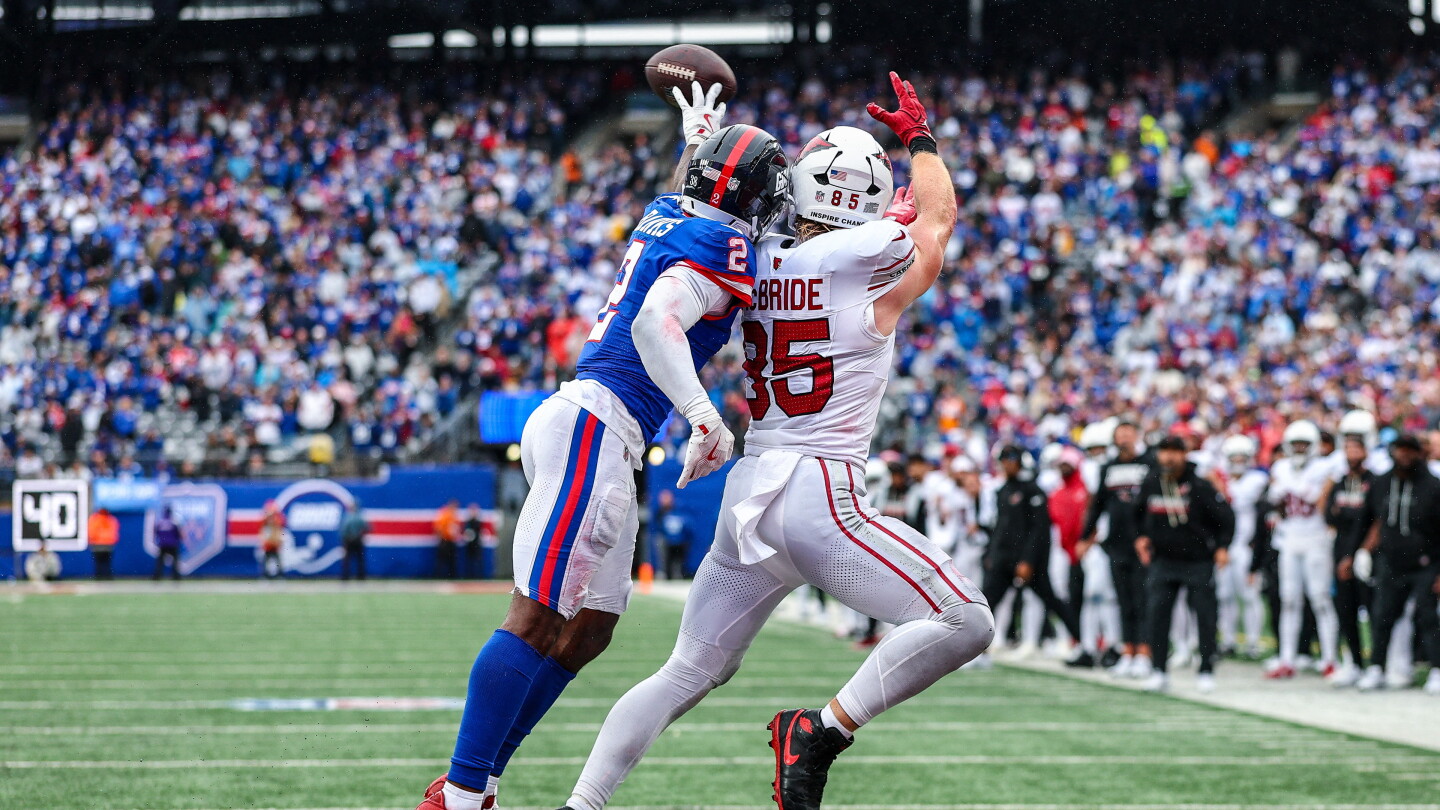
The recent scrutiny surrounding line judge Jeff Seeman illustrates the delicate balance of authority between match officials and professional athletes. Following an unpenalized pass interference play during a game between the Arizona Cardinals and the New York Giants, tensions escalated on the field. Such high-stakes environments frequently generate friction between competitors seeking competitive equity and officials tasked with maintaining order.
Visual evidence captured by broadcast equipment introduced a significant regulatory challenge for league administrators. A CBS sideline camera recorded an exchange where Seeman allegedly directed explicit language toward Cardinals tight end Trey McBride. This documentation shifted the institutional discourse from a standard officiating error to a matter of professional conduct and interpersonal standards.
The involvement of the National Football League Players Association amplified the administrative pressure on league headquarters. Executive director JC Tretter issued a public statement classifying the reported behavior as unacceptable. This institutional intervention highlights a persistent demand from player representation for parity in behavioral accountability across all on-field personnel.
Eyewitness accounts from credentialed media personnel further complicated the factual matrix surrounding the incident. CBS reporter Aditi Kinkhabwala corroborated that McBride maintained a controlled demeanor while pleading his case for a penalty flag. According to these observations, the player avoided profanity while expressing frustration over the officiating decision, characterizing the missed call as detrimental to the contest.
This episode intersects with a broader, ongoing discussion regarding the accuracy and consistency of officiating across professional football fixtures. Erroneous calls frequently influence the competitive outcomes of games, creating financial and strategic repercussions for franchises, players, and commercial partners. When perceived officiating deficiencies combine with behavioral friction, the cumulative impact strains the relationship between league leadership and its labor force.
Institutional mechanisms within professional sports leagues typically process such incidents through internal disciplinary reviews rather than public adjudications. The league office must evaluate the documented evidence while balancing the operational necessity of supporting its officiating crews. Public statements from player advocacy groups limit the administrative flexibility of league executives, compelling transparent investigative steps.
The competitive ecosystem of the league relies heavily on the perceived impartiality and professionalism of its officiating staff. Any erosion of trust in the neutrality of game officials directly affects the perceived integrity of the competition. Consequently, incidents involving direct verbal confrontations carry systemic weight that extends far beyond a single regular-season fixture.
Stakeholders across the sports industry monitor these regulatory developments to gauge how governing bodies manage internal discipline. Sponsors, media rights holders, and franchise owners have a vested interest in the rapid and credible resolution of conduct-related controversies. The outcome of the league review regarding this incident will serve as an operational benchmark for future interactions between officials and players.
As professional sports continue to integrate advanced broadcast technologies, the capacity to monitor on-field interactions increases exponentially. High-definition cameras and isolated audio feeds eliminate the historical opacity that once shielded on-field conduct from public scrutiny. This technological transparency ensures that internal governance issues quickly transform into high-profile institutional challenges.

Photo by StockSnap on Pixabay.