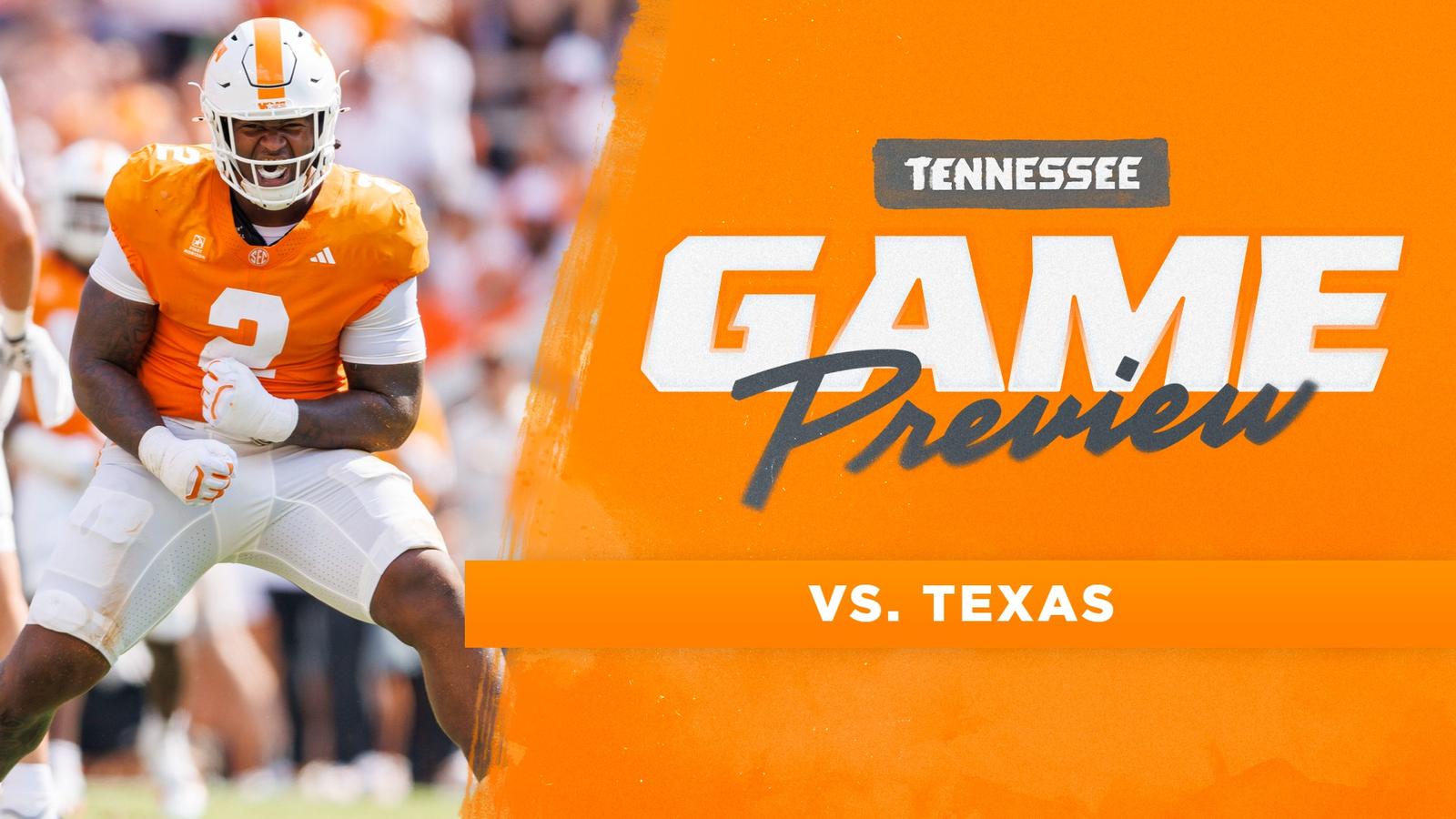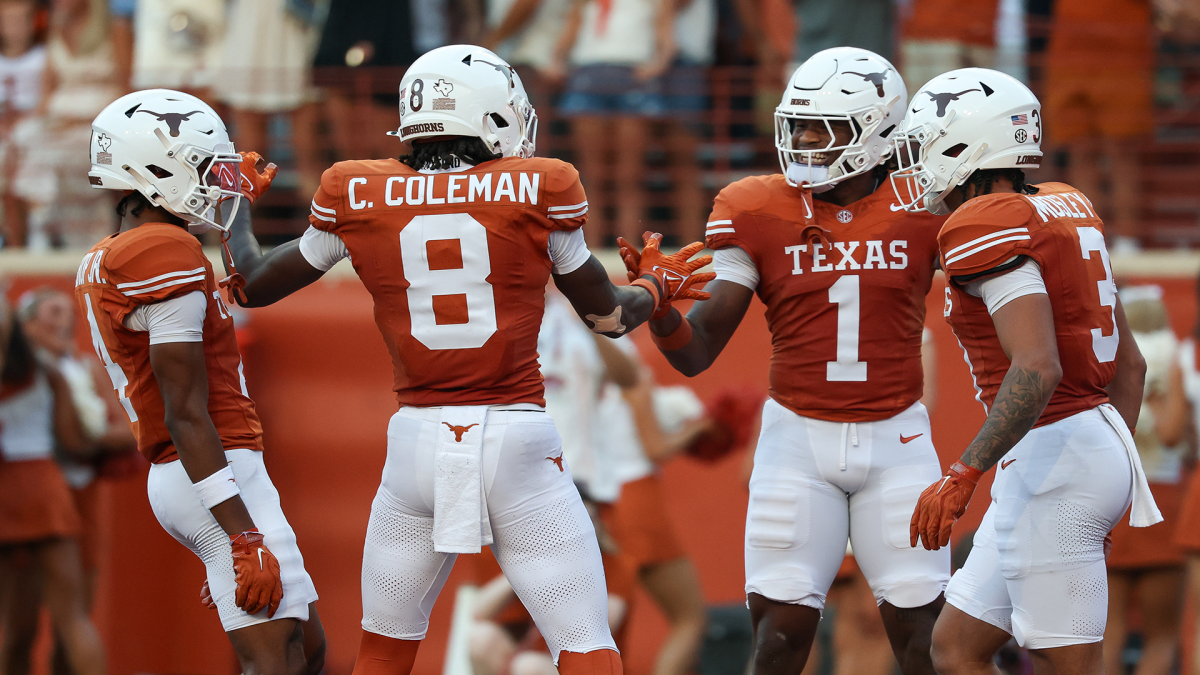
No. 1 Texas Faces No. 14 Tennessee in Pivotal SEC Clash Amidst Unprecedented Security
The highly anticipated September 26, 2026, Southeastern Conference showdown between the undefeated No. 1 Texas Longhorns and the No. 14 Tennessee Volunteers at Neyland Stadium is magnified by the expected attendance of President Donald Trump. This high-profile visit introduces significant logistical and security complexities beyond typical game day operations.
Operational Adjustments for Enhanced Security
To accommodate the presidential entourage and heightened security protocols, Tennessee officials have advanced gate opening times to 9 a.m. ET, two hours earlier than usual for a noon kickoff. A strategic concession incentive – half-price food and alcohol for the first hour – is implemented to manage early crowd influx and mitigate congestion.
This proactive operational shift aims to streamline entry, manage fan density, and ensure seamless movement for presidential security detail, prioritizing a secure and orderly environment without unduly hindering the fan experience.
Communication Vulnerabilities Pose Strategic Risks
Texas Head Coach Steve Sarkisian has voiced concerns about potential disruptions to on-field communication systems, including coach-to-player and inter-coach channels. Past incidents, like communication outages affecting both teams in a previous national championship game, underscore the systemic vulnerability of electronic systems during high-security events, potentially impacting in-game strategy and execution.
Both coaching staffs must develop robust contingency plans. This includes emphasizing non-verbal cues and pre-established communication protocols less susceptible to electronic interference, placing a premium on player autonomy and situational awareness.
Statistical Outlook and Program Performance
Both Texas (3-0, 30-6 win over UTSA) and Tennessee (3-0, 42-9 win over Kennesaw State) enter the game undefeated. The matchup presents a stark contrast in offensive strengths: Tennessee boasts a top-tier rushing attack, averaging 298.7 yards per game (2nd nationally) and ranking ninth nationally with 896 rushing yards. Conversely, Texas excels defensively, allowing just 12 points per game and limiting opponents to 109 rushing yards per game.
Tennessee’s offensive identity centers on its dominant ground game, aiming to control the clock and tempo. Texas’s defensive metrics indicate a strategic focus on stifling the run and preventing explosive plays, setting up a critical battleground between Tennessee’s offensive strengths and Texas’s defensive prowess. Tennessee allows 151 passing yards per game, a potential area for Texas to exploit.
Market Analysis and Betting Insights
Texas opens as a 4.5-point favorite, reflecting market confidence in their overall strength, particularly their defense against Tennessee’s potent run game. The spread suggests a closely contested game, with oddsmakers factoring in Tennessee’s home-field advantage and rushing success against Texas’s defensive metrics.
Historical Context and SEC Significance
This marks the first regular-season meeting between Texas and Tennessee since 1969, reviving a historic rivalry now situated within the SEC. The game carries significant weight for both teams’ conference standing and national championship aspirations.
Tennessee’s recent success at Neyland Stadium, including notable victories, highlights their formidable home-field advantage, particularly during their famed “Checker Neyland” games, which have become a program staple.
Media Spotlight and Fan Engagement
ESPN’s “College GameDay” will broadcast live from campus, amplifying the national media attention. The pre-game show’s presence, culminating at Neyland Stadium, is expected to generate immense pre-game excitement and fan engagement.
Traditional fan events like “Truly’s Tailgate” and the “Vol Walk” underscore the deep cultural integration of the Volunteers program in Knoxville, promising an electric atmosphere amplified by the high stakes and presidential presence.
Strategic Battlegrounds for Coaching Staffs
For Texas, Head Coach Steve Sarkisian faces the challenge of navigating the intense Neyland environment, compounded by the presidential visit’s potential distractions, for quarterback Quinn Ewers. This game tests their composure and execution under extreme pressure.
Tennessee Head Coach Josh Heupel will likely lean heavily on his team’s dominant rushing attack to control the clock and disrupt Texas’s offensive rhythm. The success of their ground game against Texas’s stout defense, coupled with managing potential communication issues, will be key determinants of the game’s outcome.
Broader Implications for College Football
The convergence of a top-ranked team, a renewed rivalry, and a presidential visit creates a unique scenario highlighting the intersection of sports, politics, and national security. This event underscores college football’s role as a national platform and the intricate operational challenges accompanying high-profile political appearances.
The extensive security and logistical measures implemented could establish precedents for managing future high-profile events involving government officials, influencing best practices in event management within collegiate athletics.
Economic Impact on Host City
Beyond crowd management, the concession promotion represents a calculated financial strategy by Tennessee Athletics to maximize sales volume. The event is also projected to generate substantial economic benefits for Knoxville, boosting local hospitality, transportation, and retail sectors.
Narrative Framing and Public Perception
Media coverage will likely balance athletic analysis with the political spectacle of the presidential visit, shaping public discourse and the event’s perceived significance. This intersection raises broader questions about the relationship between sports and politics in the public sphere.
Institutional Risk Management and Event Execution
The University of Tennessee’s proactive approach to managing the presidential visit exemplifies sophisticated institutional risk management. By anticipating and addressing potential communication issues and adjusting operational procedures, the university aims to ensure a secure and successful event, safeguarding its reputation.
Competitive Leverage and Performance Metrics
Tennessee’s statistical dominance in rushing and first downs presents a clear strategic advantage and a potential avenue for competitive leverage. Their ability to control the ball through sustained drives could limit Texas’s offensive possessions and wear down their defense.
Conversely, Texas’s defensive strength, particularly its low points allowed and controlled rushing yardage, suggests a strategic emphasis on preventing big plays and maintaining defensive integrity. Their success in neutralizing Tennessee’s ground game will be critical for securing a victory and maintaining their No. 1 ranking.
Stakeholder Dynamics and Decision-Making
Players and coaches face the challenge of performing under immense pressure, with strategic adjustments and mental fortitude being paramount. University administrators and athletic directors are focused on flawless event execution, safety, and logistical management of the presidential visit, impacting all stakeholders.
Program Momentum and Championship Aspirations
A Texas victory would solidify their No. 1 ranking and enhance their championship narrative by conquering a tough SEC road opponent. A Tennessee win would be a significant upset, elevating their national profile and positioning them as serious contenders.
The outcome will significantly influence each program’s trajectory, impacting rankings, recruiting, and playoff hopes. The added narrative of the presidential visit will imbue the game with historical significance.
Future Event Management Protocols
The operational strategies and security measures implemented for this game could serve as a blueprint for future high-profile events involving presidential attendance. Lessons learned in crowd management, communication, and security logistics will inform best practices for event organizers.
This event highlights the evolving landscape of collegiate athletics, where sports, entertainment, and political engagement increasingly intersect, necessitating robust frameworks for managing multifaceted events.