
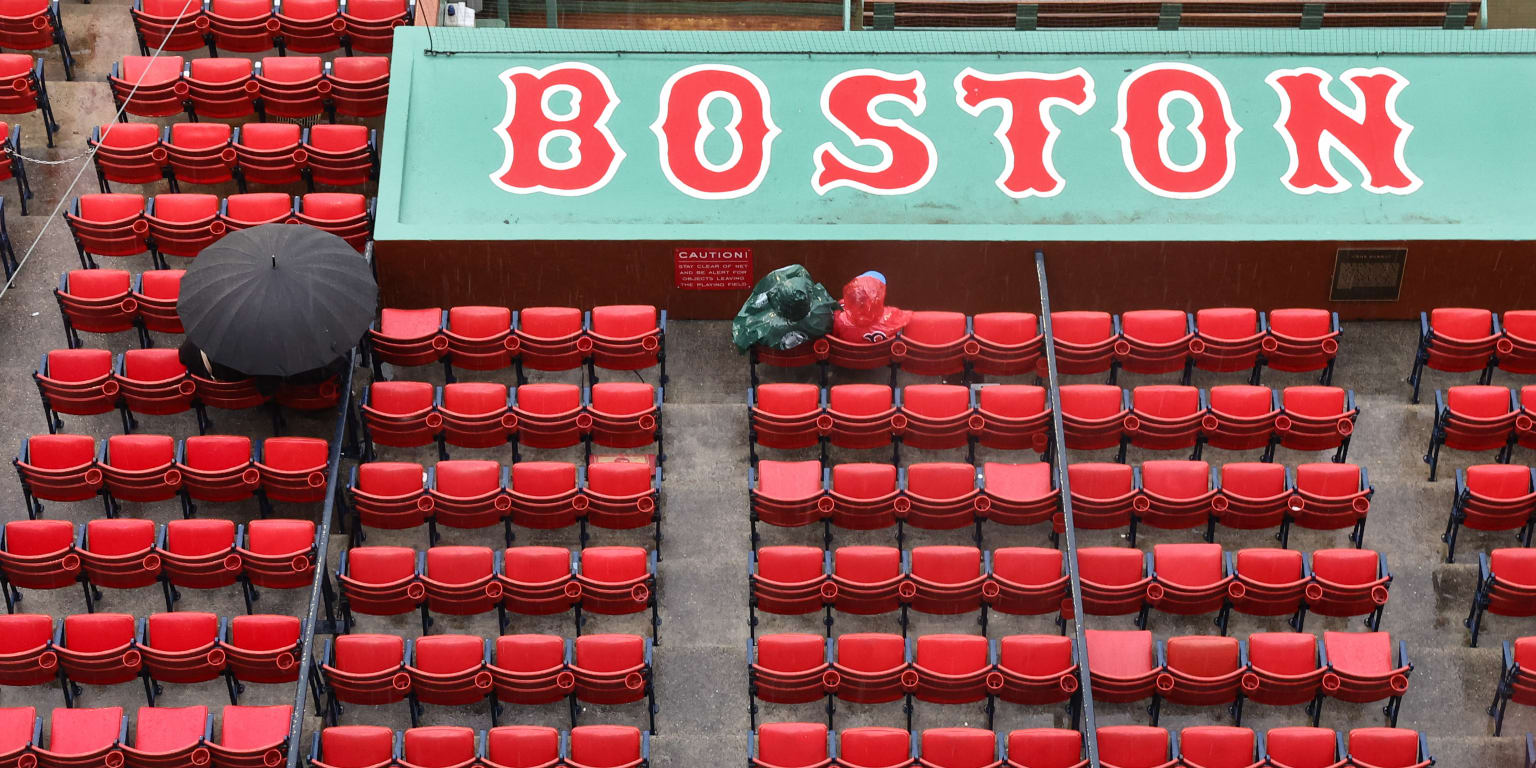
Red Sox-Cubs Doubleheader Schedule Modified Due to Nor’easter
The Boston Red Sox, in coordination with Major League Baseball (MLB), have adjusted the start time for the second game of Friday’s doubleheader against the Chicago Cubs at Fenway Park. The game has been moved from 6:05 p.m. ET to 5:35 p.m. ET. This preemptive measure aims to mitigate potential disruptions from an impending nor’easter forecast to bring snow and rain to the New England region.
This scheduling adjustment underscores the significant impact environmental factors have on professional sports logistics and highlights MLB’s established protocols for managing weather-related risks, particularly during late-season series where playoff implications are substantial.
Operational and Strategic Implications of Weather Contingencies
The necessity of a doubleheader and subsequent schedule modification exposes inherent operational constraints within MLB’s fixed scheduling framework. The league’s reliance on precise stadium schedules and broadcast commitments creates a complex network of dependencies vulnerable to weather disruptions, often necessitating rapid, inconvenient adjustments.
This situation reveals a strategic vulnerability: the competitive schedule’s integrity is contingent on favorable weather. While MLB employs contingency plans, these often involve game compression, potentially impacting player performance, fan experience, and broadcast revenue.
The 30-minute shift for Game 2 is a tactical response to a larger strategic challenge, balancing game completion against the greater financial and competitive repercussions of a full postponement.
For both the Red Sox and Cubs organizations, these adjustments demand immediate operational recalibrations. This includes managing player rest, bullpen strategy, and fan communication, all while adhering to broadcast partner obligations and subsequent travel schedules.
Broadcasting and Fan Engagement Under Pressure
The doubleheader’s broadcast across NESN, WEEI 93.7 FM, WESX 1230 AM, and WCCM 1490 AM in English and Spanish illustrates the multi-faceted media ecosystem supporting MLB. Schedule changes directly impact these entities, requiring swift coordination for accurate information dissemination and programming adjustments.
The early gate opening for Game 2 at 4:35 p.m. ET, a direct consequence of the shifted start time, affects stadium operations, concessions, and security. This logistical ripple effect demonstrates how a single schedule change cascades through various operational departments.
While not enacted for this series, the mention of a potential relocation to Florida as a contingency plan illustrates extreme measures MLB might consider for critical series, involving significant logistical, financial, and contractual hurdles.
Competitive Landscape and Late-Season Pressures
The timing of this weather-induced disruption, occurring in the final series of the 2026 season, amplifies its competitive significance. Late-season games are crucial for playoff seeding, and schedule deviations can introduce unpredictability affecting team strategy and performance.
The Red Sox’s season being characterized by “show and go” scenarios suggests recurring operational challenges or tight scheduling, potentially indicating systemic issues in scheduling or preparedness within the organization.
The reliance on a “heavy bullpen game” to start Game 1 is a strategic decision influenced by the doubleheader format and pitching staff availability, aimed at conserving starting pitching for future games under a compressed schedule.
Media and Communication Dynamics
The use of social media platforms by the Red Sox and Cubs to announce game times and share updates highlights the evolving role of digital communication in sports, serving as immediate conduits for information crucial during schedule changes.
The inclusion of broadcast details for both English and Spanish feeds underscores the league’s commitment to diverse fan bases, requiring clear, multilingual communication during disruptions.
References to @WatchMarquee indicate the integration of various media rights holders and distribution channels, necessitating synchronized communication and potential adjustments to broadcast feeds during schedule shifts.
Structural Vulnerabilities and Industry-Wide Impact
The situation reveals a structural vulnerability within professional baseball: its susceptibility to external environmental factors. The league’s highly scheduled and geographically dispersed nature makes it particularly sensitive to disruptions that other industries might absorb more readily.
Contingency planning, including hypothetical relocations, underscores the immense capital and infrastructure investment at risk. The financial implications of postponements or cancellations—lost ticket sales, concessions, and broadcast fees—necessitate robust risk management strategies.
This event also impacts the broader sports media landscape. Broadcast networks and streaming services build schedules around game times; last-minute changes disrupt advertising placements, viewership projections, and content delivery strategies.
Furthermore, the competitive integrity of the league is paramount. Schedule alterations that might disproportionately affect teams due to travel or rest implications require careful MLB oversight to ensure fairness.
Forward-Looking Strategic Considerations
The recurring nature of weather disruptions suggests a need for ongoing strategic evaluation of MLB’s scheduling models. Exploring more flexible scheduling options or integrating advanced weather prediction could mitigate future impacts.
The operational resilience demonstrated by the Red Sox and MLB in adapting highlights established protocols. However, the constant need for such adjustments indicates an area where further innovation in planning and execution could yield significant benefits.
Financial incentives tied to broadcast contracts and fan engagement create a strong impetus to overcome weather challenges, shaping decisions to favor schedule adjustments over cancellations when feasible.
Ultimately, the Red Sox-Cubs schedule change serves as a microcosm of the broader challenges facing professional sports leagues, highlighting the intricate interplay of operational logistics, strategic planning, media partnerships, and external factors like weather in the dynamic modern sports industry.
Photo by hellosoyeon on Pixabay.