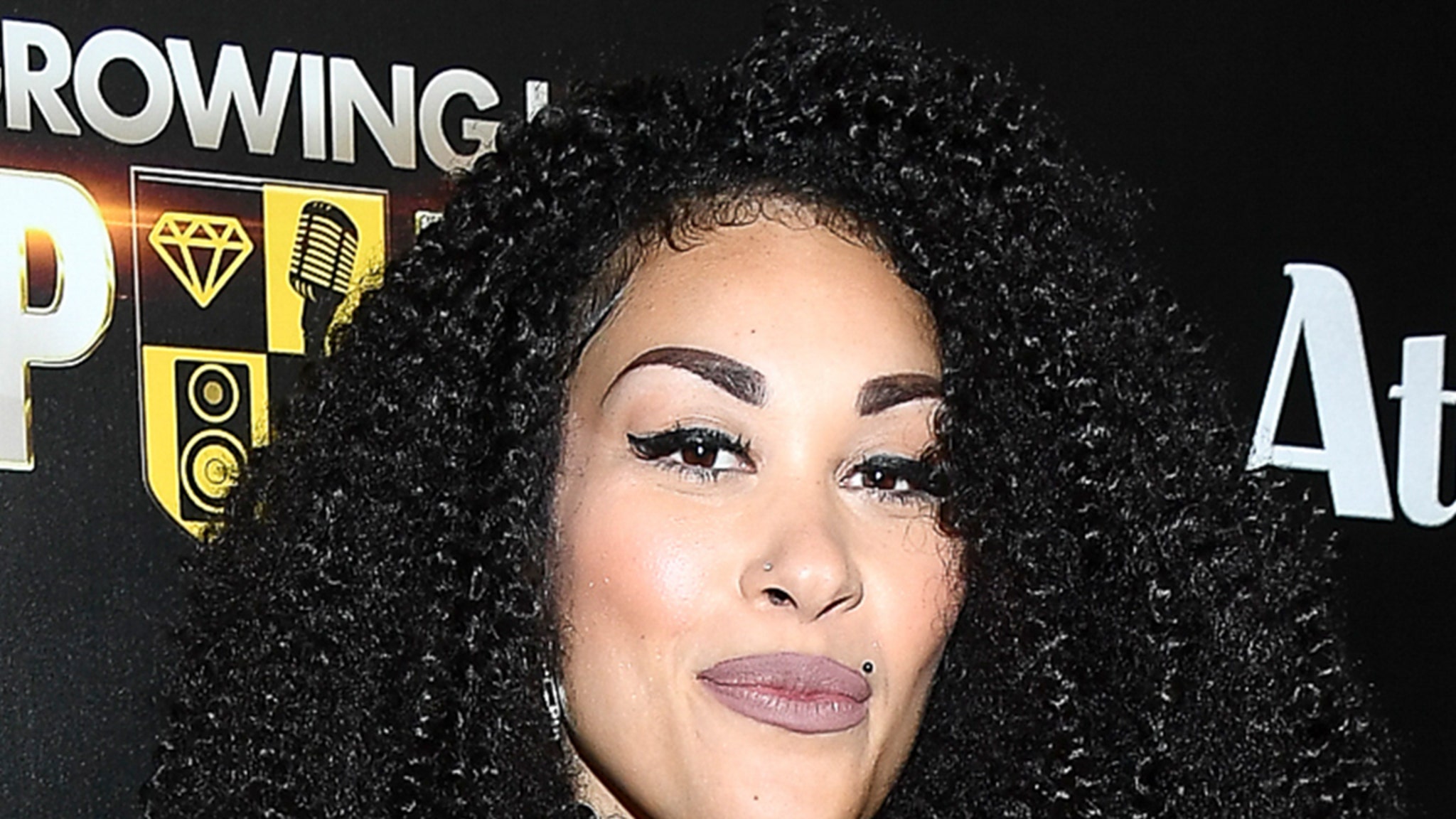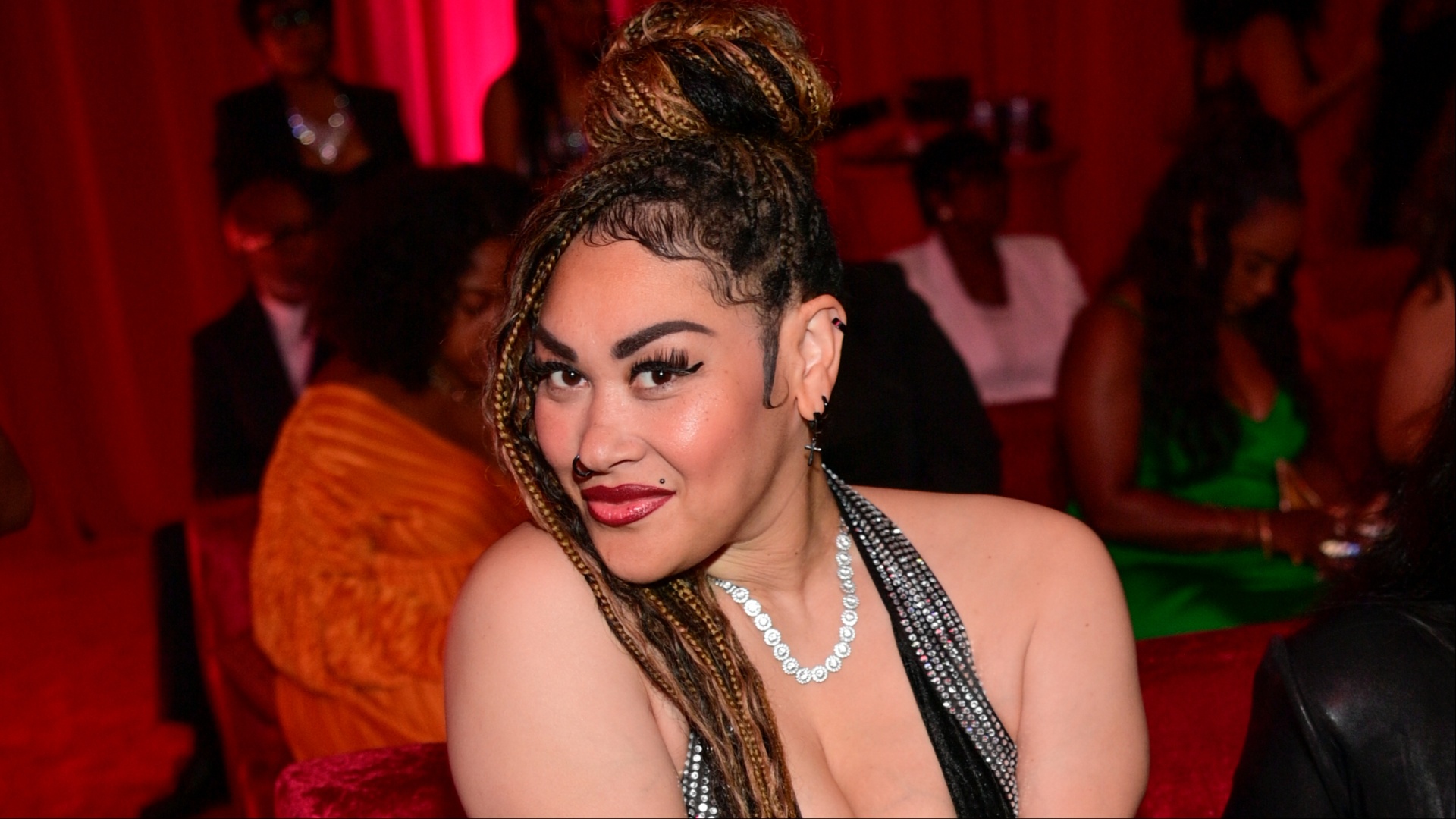
The recent arrest of R&B artist Keke Wyatt in Henry County, Georgia, on charges including terroristic threats, simple assault, and cruelty to children, represents a critical juncture for her public image and career trajectory. This incident not only casts a shadow over her established success in music and reality television but also initiates a complex legal battle with significant reputational and financial ramifications. The swift institutional response from the Henry County Sheriff’s Office and the terms of her subsequent bond underscore the gravity of these allegations within Georgia’s judicial framework.
Legal Framework and Judicial Implications in Georgia
In Georgia, charges of terroristic threats—alleging intent to terrorize, cause fear, or interfere with public services—are treated with varying degrees of felony or misdemeanor severity based on specific intent and context. The concurrent charge of simple assault, alongside the particularly sensitive cruelty to children, mandates an immediate and comprehensive investigation by both law enforcement and child protective services. This multi-agency involvement is a standard institutional response to safeguard minors and meticulously gather evidence, including digital communications, eyewitness accounts, and any history of domestic incidents, to substantiate the allegations.
Wyatt’s $1,050 bond, while facilitating her release, provides an initial judicial assessment, signaling a managed flight risk or perceived immediate threat by the magistrate. However, the presence of multiple, distinct charges anticipates an intricate evidentiary discovery phase. For public figures, the period between arrest and bond is critical for strategic legal and public relations alignment. The two-day gap before her release allowed initial narratives to form in media vacuums, emphasizing the imperative for a rapid, coherent defense strategy to counteract premature public perception.
Strategic Brand Management and Social Media Discrepancies
The conspicuous timing of Wyatt’s social media activity—a video depicting romantic leisure posted on September 21, reportedly while she was still in custody—exemplifies a sophisticated, albeit ethically questionable, modern celebrity crisis management tactic. This temporal disjunction strongly implies either a pre-scheduled content strategy or the proactive deployment of a digital management team. Their objective: to maintain a semblance of normalcy and deflect from the ongoing legal proceedings by projecting an aspirational lifestyle narrative, thus strategically mitigating reputational fallout.
This deliberate creation of ‘cognitive dissonance’ between the public spectacle of romance and the severe allegations of domestic violence and child cruelty, while effective in momentarily shifting fan discourse, poses long-term brand equity risks. While immediate fan engagement can be redirected from legal scrutiny, the juxtaposition of a ‘steamy’ public persona with charges of child cruelty can irrevocably damage associations with family-oriented brands or endorsements. The choice of Bobby Brown’s ‘Don’t Be Cruel’ as a musical backdrop could be interpreted as a meta-commentary, allowing the artist a controlled, indirect response to her circumstances outside traditional media filters, signaling a continued effort to control her narrative.
Economic Impact on Reality TV and Performance Contracts
For a reality television figure like Wyatt, deeply embedded in a genre that monetizes personal conflict, criminal allegations—especially those involving child cruelty and terroristic threats—trigger stringent morality clauses within production contracts. Such charges often exceed the threshold of acceptable on-screen drama, potentially leading to contract termination, rendering talent uninsurable for future productions, or impacting syndication value. The financial liabilities extend to the live performance sector, where legal uncertainty instigates cancellations or withholding of performance fees from promoters safeguarding against negative brand association and audience backlash.
Despite Wyatt’s career equity from gold-certified R&B work, the sustainability of this capital is now heavily contingent upon the legal outcome, particularly avoiding felony convictions that could severely restrict travel, performance venues, and professional licenses. The multi-charge legal defense, compounded by lost revenue, necessitates an aggressive, direct-to-consumer digital monetization strategy. Social media platforms thus become crucial conduits for merchandise sales, streaming revenue, and securing future bookings, transforming fan engagement into a critical financial buffer against institutional legal challenges.
Historical Context and Familial Dynamics
The current legal entanglement is not an isolated event but rather situated within a documented history of familial volatility and public disputes. Previous controversies, including accusations from her son regarding the alleged exploitation of his health struggles for media content, provide a salient backdrop of internal family discord. This pattern of conflict could significantly complicate the defense’s argument, potentially linking prior instances to the current ‘cruelty to children’ charge by establishing a history that informs the present allegations.
Wyatt’s recent symbolic rebranding—the debut of a shaved head—preceding these events, often signifies personal transformation or a public declaration against external pressures within celebrity culture. In this context, it contributes to a complex public psychological profile that media analysts and legal teams must navigate. The long-term impact on her legacy as an R&B vocalist is profound; her career narrative risks irrevocably shifting from vocal prowess and emotional delivery to a public discourse dominated by legal and domestic instability. Reconciling these divergent identities to preserve professional viability presents a formidable challenge.
Institutional and Media Consequences
The rapid dissemination of Wyatt’s arrest details by platforms like TMZ and The Shade Room underscores their function as de facto public opinion arbiters, where initial allegations often overshadow eventual legal outcomes. The Henry County Sheriff’s Office’s factual confirmation serves as the crucial primary source, anchoring reporting amidst speculative digital discourse. For the legal system, prosecuting a high-profile individual introduces complexities such as managing intense public scrutiny, safeguarding witness integrity, and addressing the potential for media influence on jury pools.
Specifically, the ‘terroristic threats’ charge demands rigorous evidentiary standards, placing a substantial burden on the prosecution to prove intent beyond reasonable doubt. The ultimate resolution of this case will not only determine Wyatt’s personal and professional future but also establish a noteworthy precedent for how domestic disputes involving public figures are adjudicated within Georgia’s jurisdiction. This case exemplifies the intricate struggle of modern celebrities to maintain a meticulously curated public image while confronting the rigid and often unforgiving machinery of the criminal justice system.