Architectural Decoupling and Ergonomic Sustainability
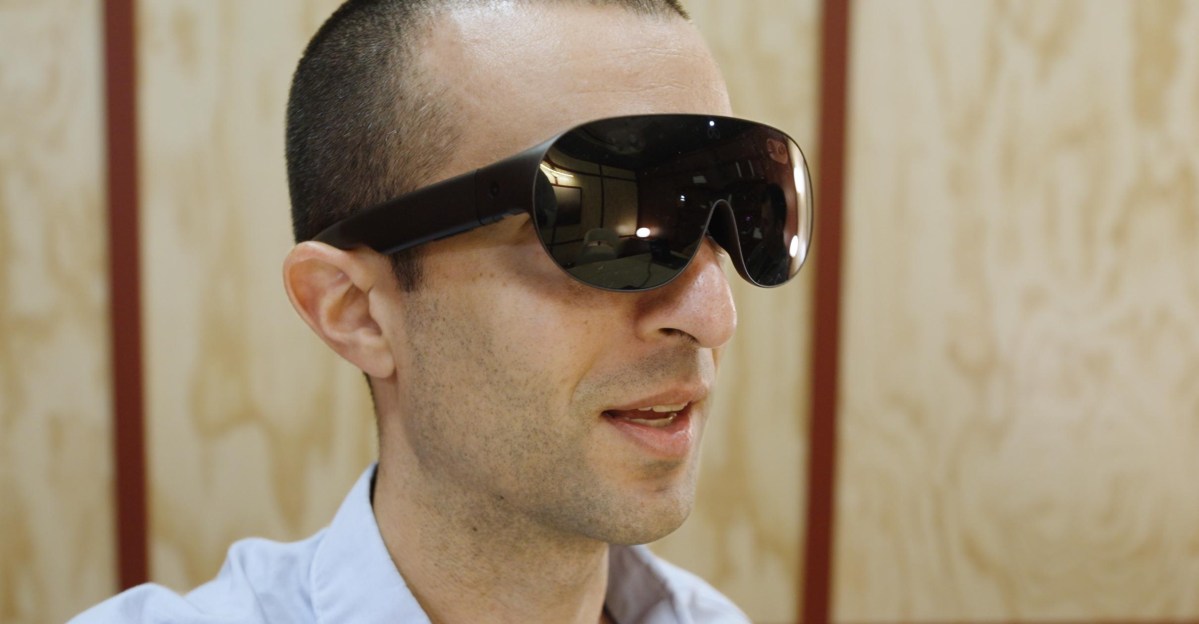
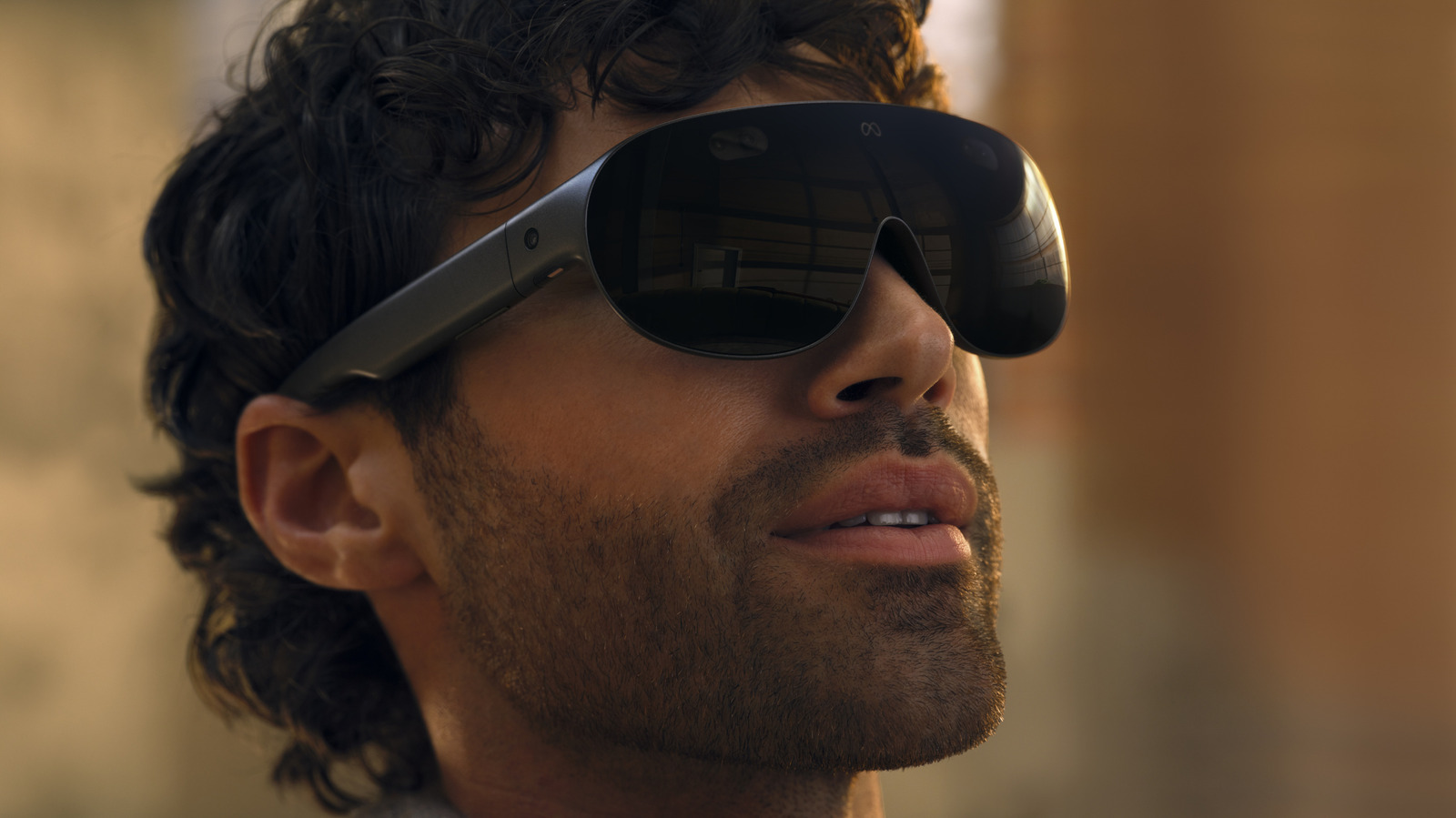
Meta’s forthcoming VR glasses signal a definitive departure from the self-contained headset paradigm. By migrating primary processing and power components to an external computing puck, Meta is addressing the historical trade-off between high-fidelity performance and wearable comfort. This structural shift allows the head-worn unit to achieve a weight of just 100 grams, significantly undercutting existing high-end spatial computers and prioritizing long-term wearability.
Market Positioning: The Mid-Tier Premium Category
At a projected price point of $1,300, Meta is positioning this device as a strategic disruptor to Apple’s $3,500 Vision Pro. This pricing strategy reflects a transition from the aggressive subsidization seen in the Quest series toward a sustainable, high-margin hardware model. By targeting this bracket, Meta creates a new mid-tier premium category, bridging the gap between entry-level consumer VR and enterprise-grade spatial workstations.
Input Evolution: Controllerless Interaction
The roadmap for the Spring 2027 launch emphasizes a gesture-centric environment, supported by a library of over 75 hand-powered games. This reliance on high-precision onboard cameras for hand detection eliminates the need for physical controllers, lowering the barrier to entry for non-technical users. The operational focus is on creating a seamless interaction model that mirrors natural human movement, further distancing the product from traditional gaming peripherals.
Thermal Management and Hardware Engineering
The distribution of hardware between the glasses and the puck is a calculated response to the thermal limitations of head-mounted displays. Removing the battery and processor from the face eliminates the need for active cooling systems, which typically add weight and noise. This allows for the use of more powerful chipsets within the puck, capable of maintaining high-fidelity displays without the thermal throttling or user discomfort common in integrated units.
Strategic Roadmap and Ecosystem Maturation
The three-year lead time before the 2027 release suggests Meta is currently focusing on supply chain optimization and software ecosystem maturation. This window allows developers to refine productivity features, such as multiple floating windows and laptop connectivity, positioning the device as a legitimate mobile workstation. The long-term commitment signals Meta’s belief that the future of spatial computing lies in unobtrusive eyewear rather than bulky headsets.