Strategic Attrition: Navigating the Creative Core Vacuum
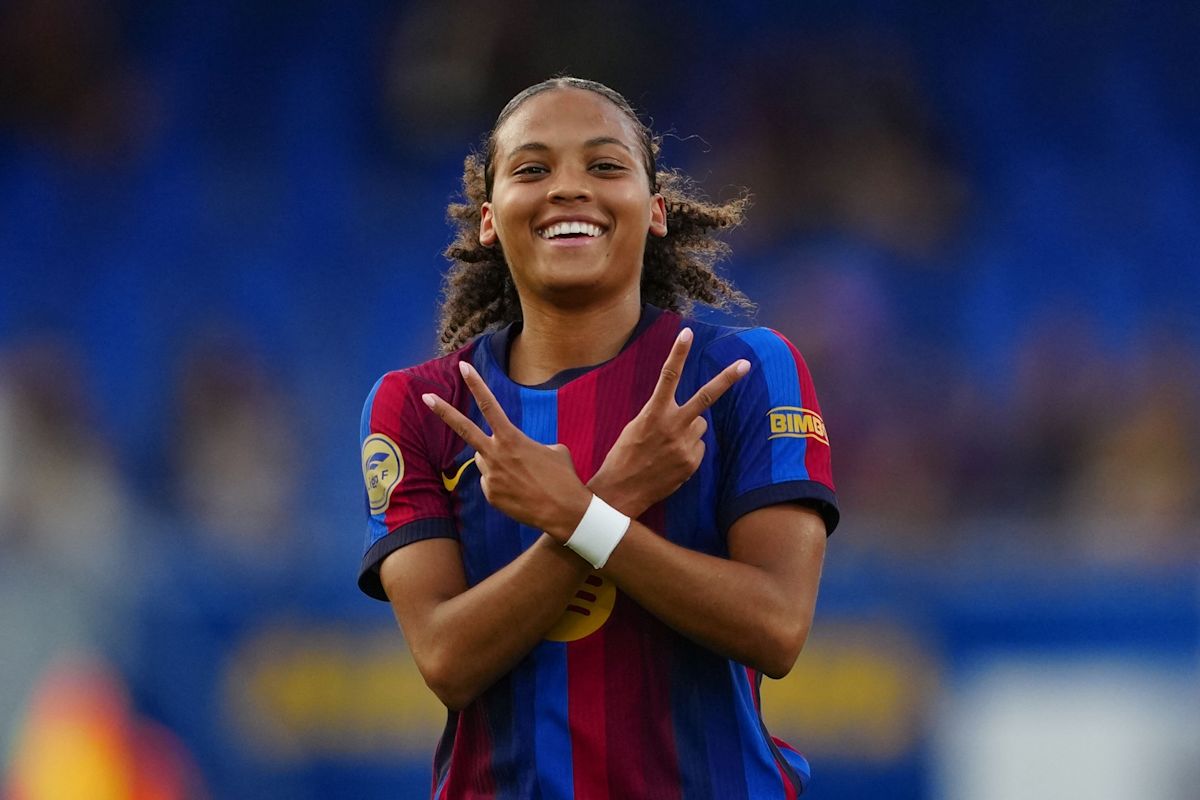
The tactical architecture of FC Barcelona Femení faces an immediate stress test as Pere Romeu navigates a concentrated personnel crisis within the squad’s creative engine. The synchronized absences of Kika Nazareth and Vicky López—both sidelined by rectus anterior pathologies—disrupt the intended integration of summer acquisitions into the club’s high-tempo offensive system. This operational pivot requires a reliance on institutional versatility, forcing secondary rotation players into high-leverage roles earlier than the seasonal roadmap anticipated.
Clinical reports specify that Kika Nazareth is managing a mioaponeurotic injury in her right rectus anterior, necessitating a three-week recovery window. This timeline intersects with a critical fixture density, including the Champions League debut against Paris FC and domestic volatility. Vicky López faces a similar setback with a miofibrillar injury; while her two-week prognosis is more optimistic, the dual loss of these ball-progressors creates a temporary deficit in verticality and interior rotation.
The Serrajordi Elevation and Tactical Rebalancing
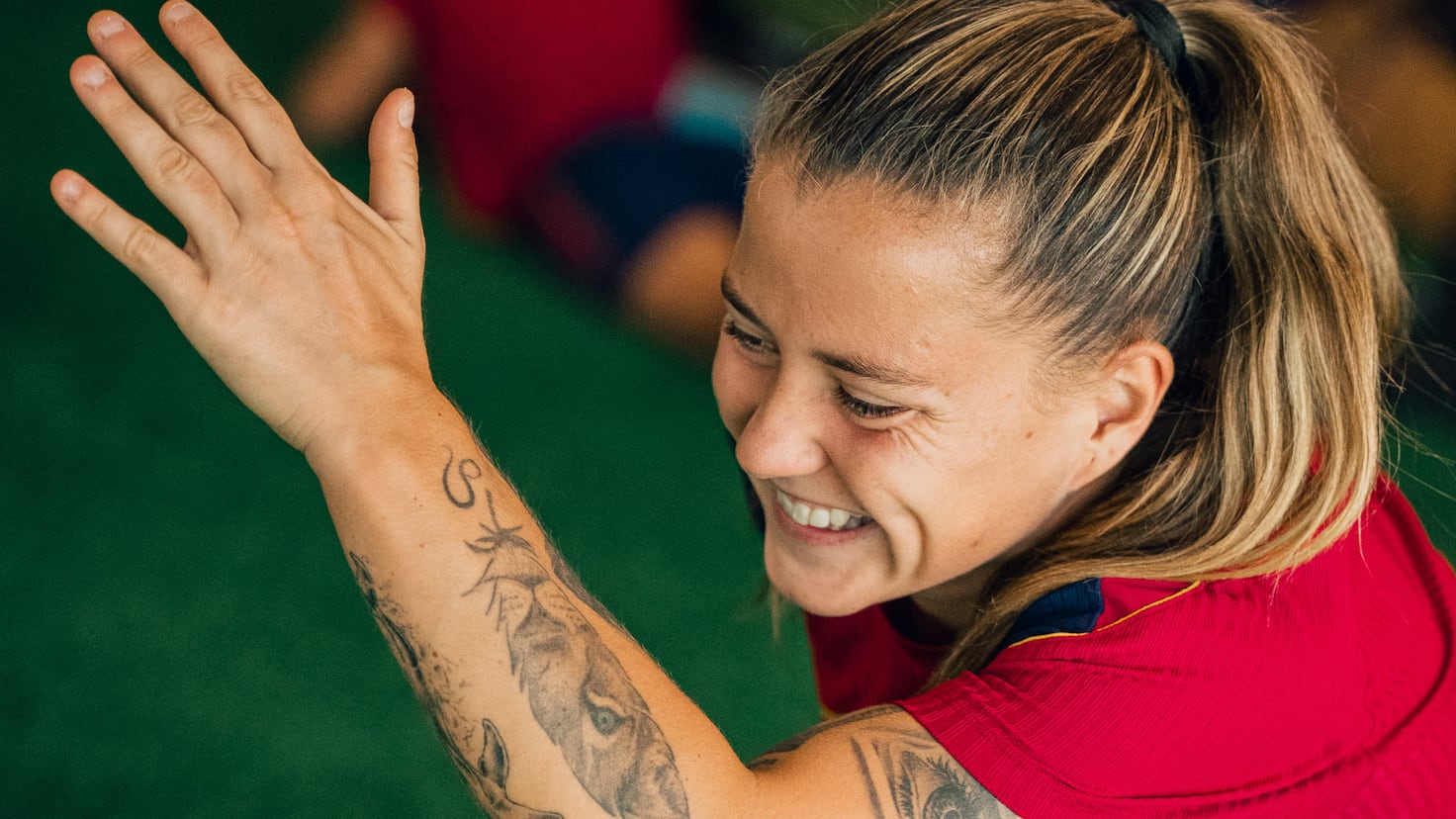
The immediate beneficiary of this personnel deficit is Clara Serrajordi. Her elevation to the starting XI represents a significant strategic pivot, emphasizing the club’s reliance on La Masia to mitigate external market absences. Serrajordi’s performance will be a litmus test for institutional continuity, specifically her ability to maintain possession tempo under the physical press of elite European opposition. Her inclusion allows the coaching staff to preserve the structural 4-3-3 while acknowledging the current lack of senior depth in the interior pivot roles.
Complementing this youth integration is the tactical retreat of Claudia Pina into a deeper midfield role. Despite her elite offensive output—recording five goals and three assists in recent outings—Pina’s transition requires heightened focus on defensive connectivity. This hybrid role is essential to maintaining the defensive block’s integrity, particularly in the transition phase where Barcelona has previously shown vulnerability when attacking players fail to meet defensive tracking triggers.
Defensive Spine and Institutional Implications
While the midfield remains in flux, the return of Irene Paredes provides a necessary stabilization of the defensive spine. Her veteran presence is non-negotiable for organizing a backline currently missing key components due to international duty and long-term recovery cycles. With youth prospects like Aïcha Cámara and Carla Julià unavailable due to the U-20 World Cup, Paredes must anchor a rigid defensive unit with limited room for substitution, increasing the physical load on the remaining healthy starters.
The timing of this injury cycle carries significant commercial and competitive weight. As the Champions League serves as the primary driver for the department’s financial sustainability, a dominant start is essential for coefficient maintenance and sponsorship leverage. Furthermore, the impending clash at the Spotify Camp Nou against Real Madrid necessitates the rapid reintegration of Aitana Bonmatí. As the reigning Ballon d’Or holder, her return is the ultimate psychological and tactical catalyst for a squad navigating a period of significant physical attrition.