
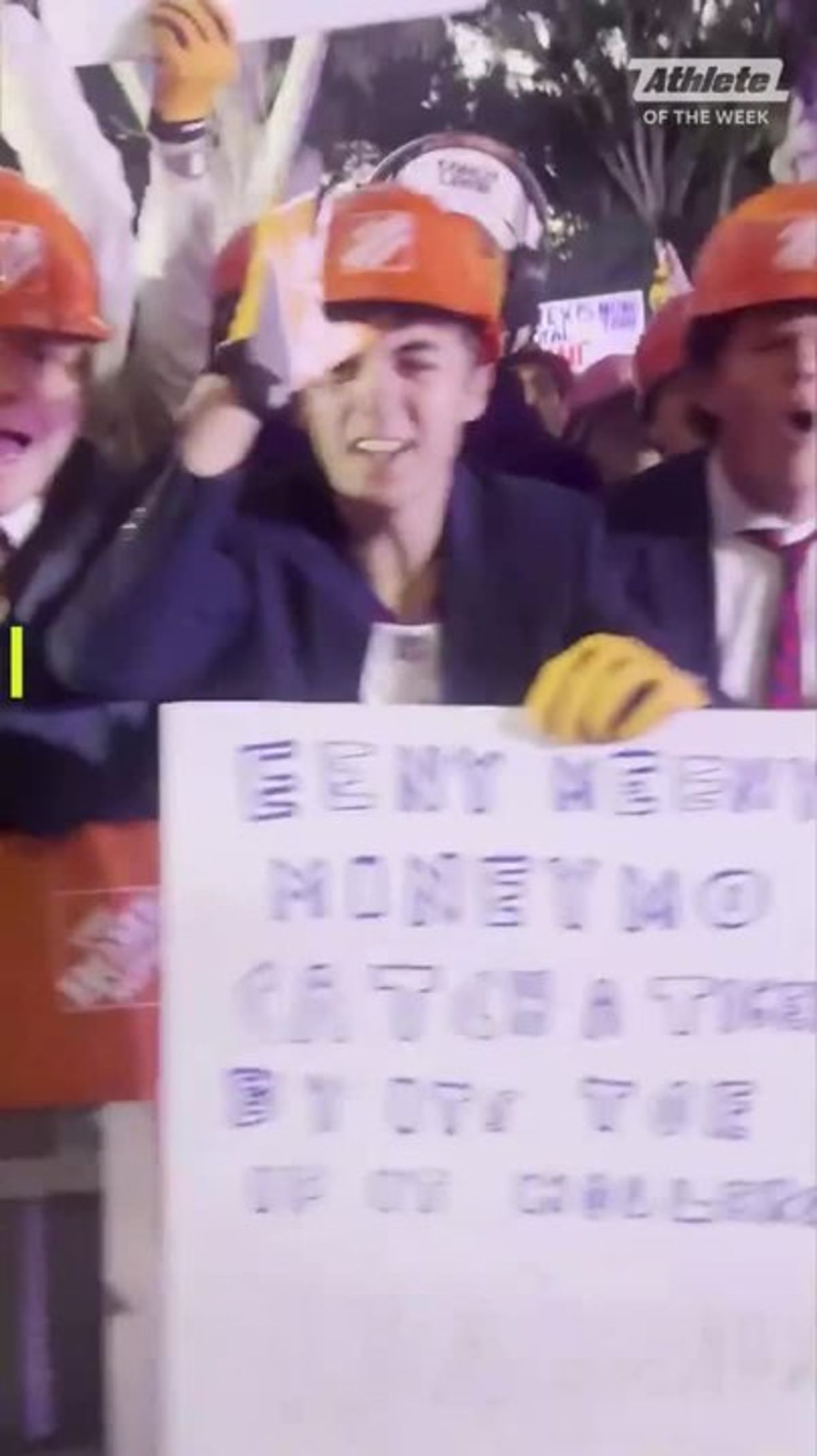
The convergence of ESPN’s College GameDay and the high-stakes confrontation between No. 7 LSU and No. 8 Ole Miss in Oxford functions as a critical case study in the evolving economics of the Southeastern Conference (SEC). This matchup transcends traditional divisional friction, serving as a litmus test for institutional continuity and the sophisticated mechanics of coaching transitions in the NIL era. The presence of the national media apparatus at The Grove underscores the commercial gravity of a contest carrying immediate College Football Playoff (CFP) implications and long-term recruiting leverage.
Institutional Deterrence and Coaching Stability
Modern collegiate coaching transitions have introduced specific administrative frictions, resulting in an increased reliance on contractual deterrents. The strategic positioning of programs like Ole Miss and LSU highlights a broader trend where universities leverage post-season participation rights and high-value buyouts as non-compete surrogates. These maneuvers suggest that the traditional coaching carousel is evolving into a litigious, strategically guarded environment where programs prioritize the protection of intellectual and cultural capital against conference rivals within the same recruiting footprint.
This volatility is further emphasized by the rarity of Top-10 matchups between these two programs—the first such occurrence since 1962. This historical gap illustrates the cyclical nature of program dominance and the current concentration of power within the SEC’s Western corridor. For elite programs, maintaining technical and tactical continuity is no longer just a sporting concern but a financial necessity to satisfy boosters and secure broadcast revenue shares.
Media Ecosystem and Multi-Platform Distribution
ESPN’s decision to anchor the 40th season of College GameDay in Oxford demonstrates a sophisticated alignment of content strategy and platform synergy. By broadcasting across ABC, ESPN, ESPNU, and Disney+, the network maximizes the reach of a premium SEC asset. This multi-channel approach is engineered to drive subscriber engagement across the Disney ecosystem, utilizing the cultural spectacle of The Grove to anchor a programming slate featuring over 20 ranked teams. The integration of figures like Nick Saban into the broadcast crew marks a shift in the media’s role from objective observer to active participant, monetizing the inherent tribalism of Southern football.
Furthermore, the inclusion of cultural icons such as Morgan Freeman as a guest picker adds a layer of prestige that transcends the sporting demographic. This strategic use of celebrity endorsement broadens the broadcast’s appeal, reinforcing the event’s status as a significant cultural moment while elevating the university’s brand on a global stage.
Competitive Trajectory and Playoff Implications
The outcome of this Top-10 showdown serves as a primary separator for the CFP selection committee. In an expanded playoff format, a high-quality victory in September provides essential margin for error during the late-season stretch. For Ole Miss, hosting this primetime event is an opportunity to validate the program’s upward trajectory and prove that its institutional infrastructure can sustain elite performance. Conversely, for LSU, the game tests the roster’s ability to operate under intense atmospheric pressure while navigating the tactical complexities of a conference rival.
Ultimately, the events in Oxford reveal the complex interplay between individual ambitions, institutional safeguards, and media-driven narratives. As the game kicks off in primetime, the strategic maneuvers and institutional posturing of the off-season manifest on the field, determining the immediate hierarchy of the nation’s most competitive conference.

Photo by Pexels on Pixabay.