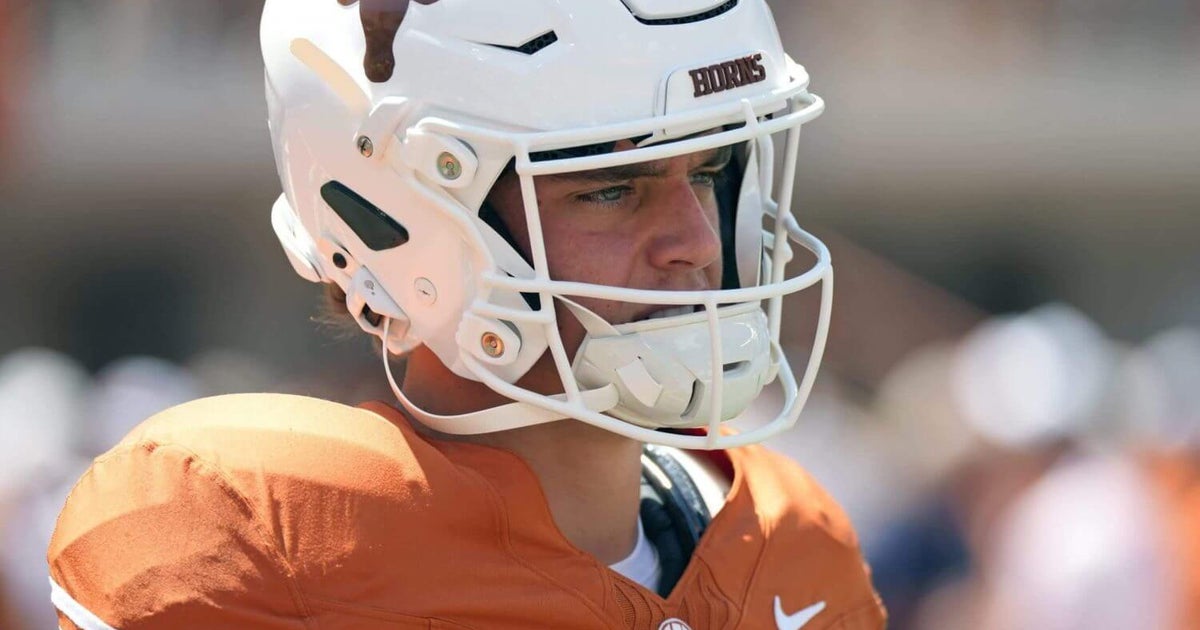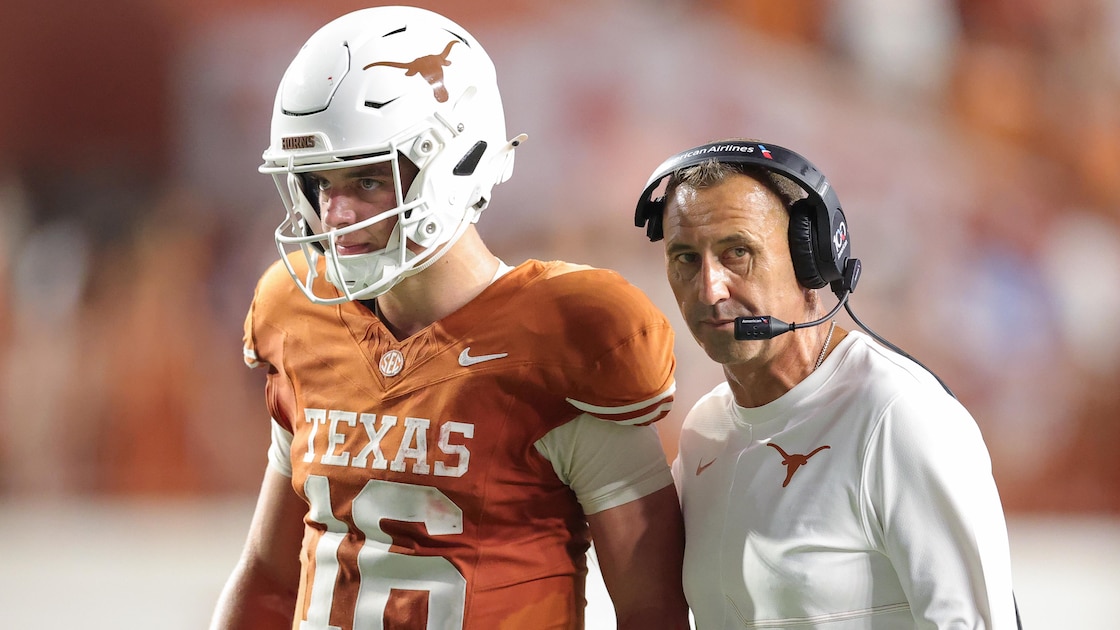
Texas Longhorns quarterback Arch Manning recently issued a public apology to ESPN’s Holly Rowe following an insensitive remark regarding an AI-generated video featuring Rowe and head coach Steve Sarkisian. This incident transcends typical athlete-media friction, serving as a critical case study on the destabilizing influence of synthetic media within the high-stakes environment of collegiate and professional sports.
The Proliferation of Synthetic Media and Reputational Risk
The controversy began when Manning initially characterized a deepfake video—which falsely depicted a physical altercation between Sarkisian and Rowe—as “hilarious.” His subsequent apology on Instagram acknowledged the personal harm such content inflicts. In an era where Name, Image, and Likeness (NIL) valuations are tied to public persona, the inability to distinguish between authentic and fabricated content poses an existential threat to an athlete’s brand equity and professional relationships.
The Erosion of Journalistic Integrity and Personnel Safety
For media professionals like Holly Rowe, AI-generated misinformation is not merely a technical novelty but a direct threat to professional credibility and personal safety. The viral nature of the video, amplified by Manning’s initial commentary and social media engagement, demonstrates how easily “adversarial AI” can weaponize humor to undermine journalists. This necessitates a shift in how media organizations protect their talent, moving beyond standard harassment policies to include robust digital provenance tracking and AI detection protocols.
Institutional Liability in the NIL Era
The incident underscores a significant gap in athletic department oversight. As student-athletes become brand entities, their digital conduct regarding third-party AI content creates new forms of institutional liability. There is a burgeoning imperative for universities and sports leagues to implement comprehensive digital citizenship training. This curriculum must address the ethical consumption of synthetic media and the legal ramifications of amplifying defamatory deepfakes, ensuring that athletes understand the permanence of their digital footprint.
Strategic Imperatives for Media Literacy
The apology from Evan Vieth, the reporter who initially shared Manning’s remarks, highlights a secondary failure in media literacy. By framing Manning’s reaction as “gold,” the media cycle inadvertently legitimized the malicious content. Moving forward, the sports ecosystem must adopt a “verify-first” framework. Financial and operational investments in AI forensic tools are no longer optional for major networks and sports franchises; they are essential for maintaining the integrity of the information environment and safeguarding the human subjects involved in the spectacle of sport.
Conclusion: Navigating the Synthetic Frontier
The Arch Manning incident is a harbinger of a future where reality is increasingly negotiable. The swift apologies from Manning and Vieth indicate a recognition of error, but the systemic vulnerability remains. Stakeholders must move toward a collaborative model of digital accountability, where the speed of social media engagement is tempered by a rigorous evaluation of content authenticity. The survival of trust in sports media depends on the industry’s ability to outpace the evolution of the very technologies currently threatening to distort it.