Strategic Squad Management in Domestic Cup Competitions
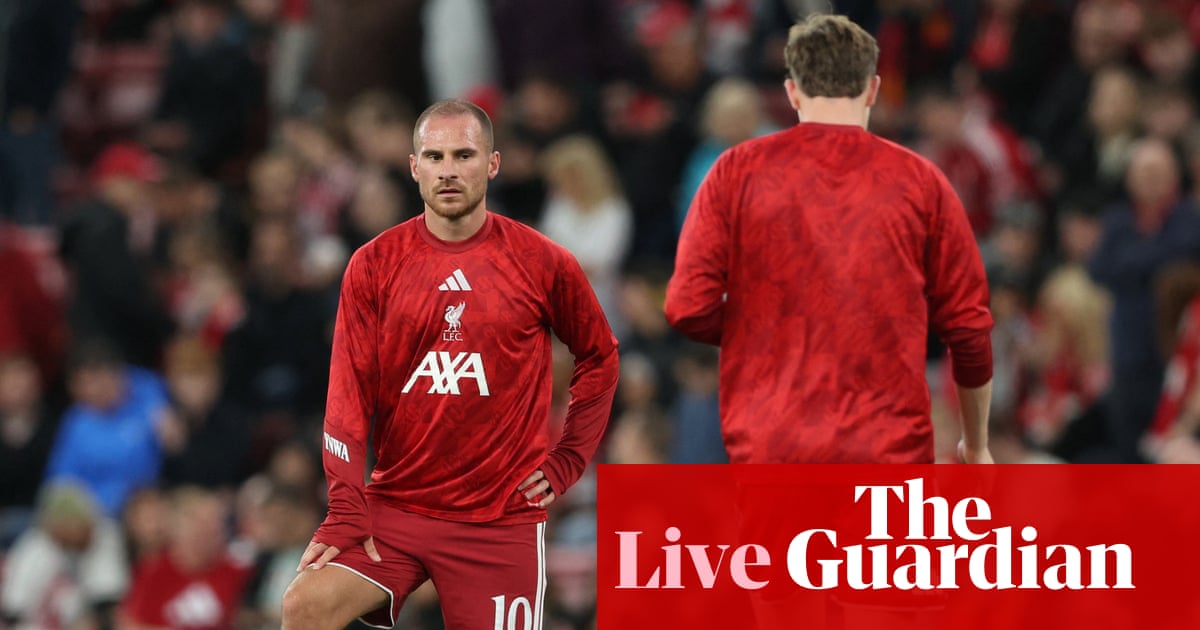
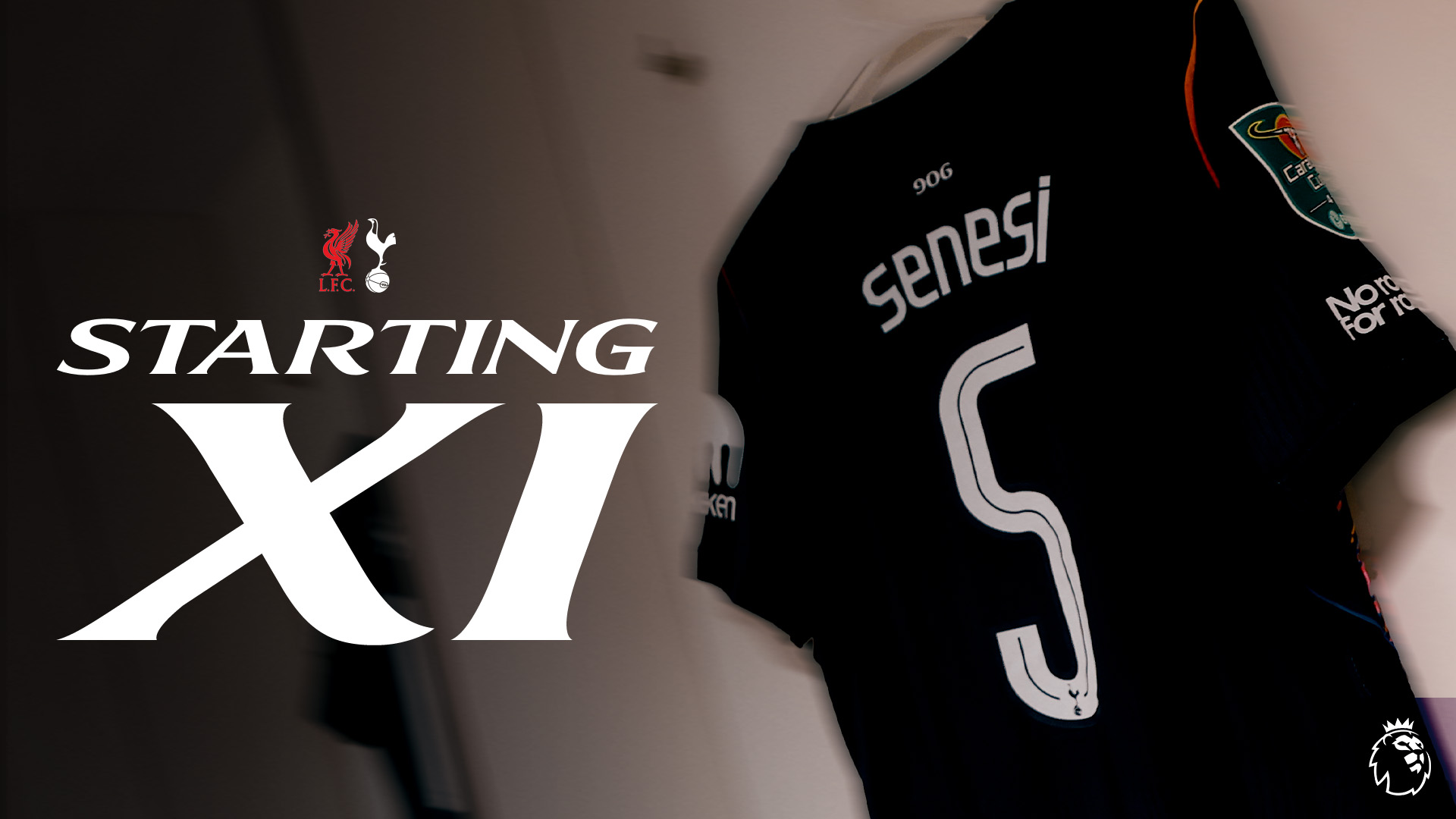
Modern professional football forces elite clubs to balance squad depth and fixture congestion. Technical staff navigating early rounds of the Carabao Cup must evaluate player load management and tactical continuity. Implementing extensive roster changes highlights the structural necessity of utilizing peripheral squad members to mitigate physical burnout across a grueling seasonal calendar.
Squad rotation introduces competitive vulnerabilities alongside physiological benefits. Introducing fringe players alters on-field chemistry and transition speed. Financially deep clubs leverage capital investments in player acquisition to maintain baseline performance standards during wholesale changes.
Tactical Reconfigurations and Defensive Adjustments
Defensive reshuffles carry high risks due to positional instability. Integrating returning players from injury layoffs requires immediate synchronization. When defensive partnerships are dismantled for single-elimination fixtures, the margin for error narrows under sustained pressure.
Midfield execution dictates structural integrity. Managers must balance developing talent with established tactical anchors who provide defensive screening and ball retention, absorbing pressure while younger teammates adapt to the match tempo.
Managerial Perspectives and Tournament Economics
Technical leadership must balance public confidence in second-tier options with the demands of knockout tournaments. Deploying heavily altered lineups serves as a primary driver for evaluating squad readiness through competitive minutes rather than training sessions.
Early-round exits carry financial and reputational implications. Clubs utilize these matches for asset evaluation, directly influencing transfer market strategies and player retention policies across subsequent transfer windows.