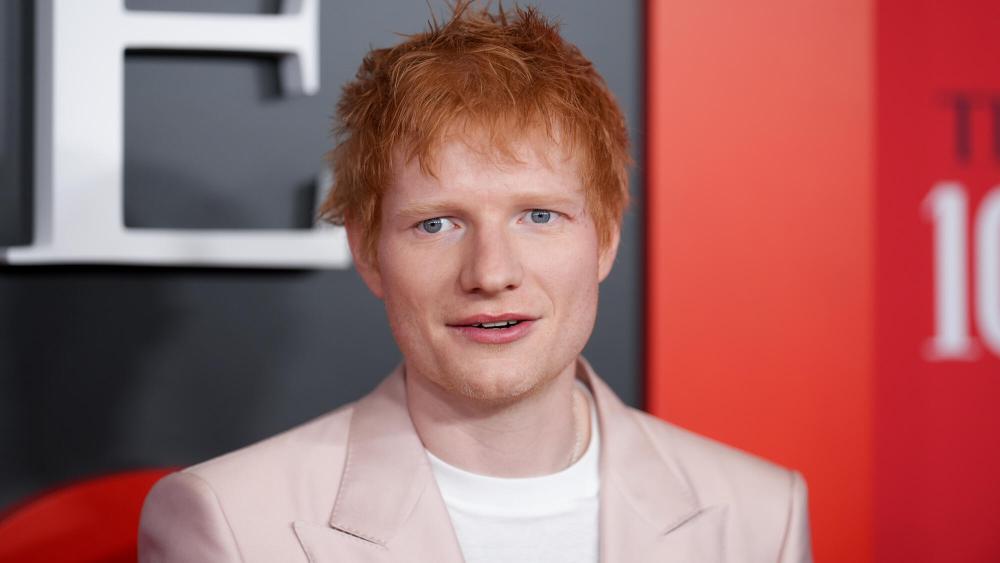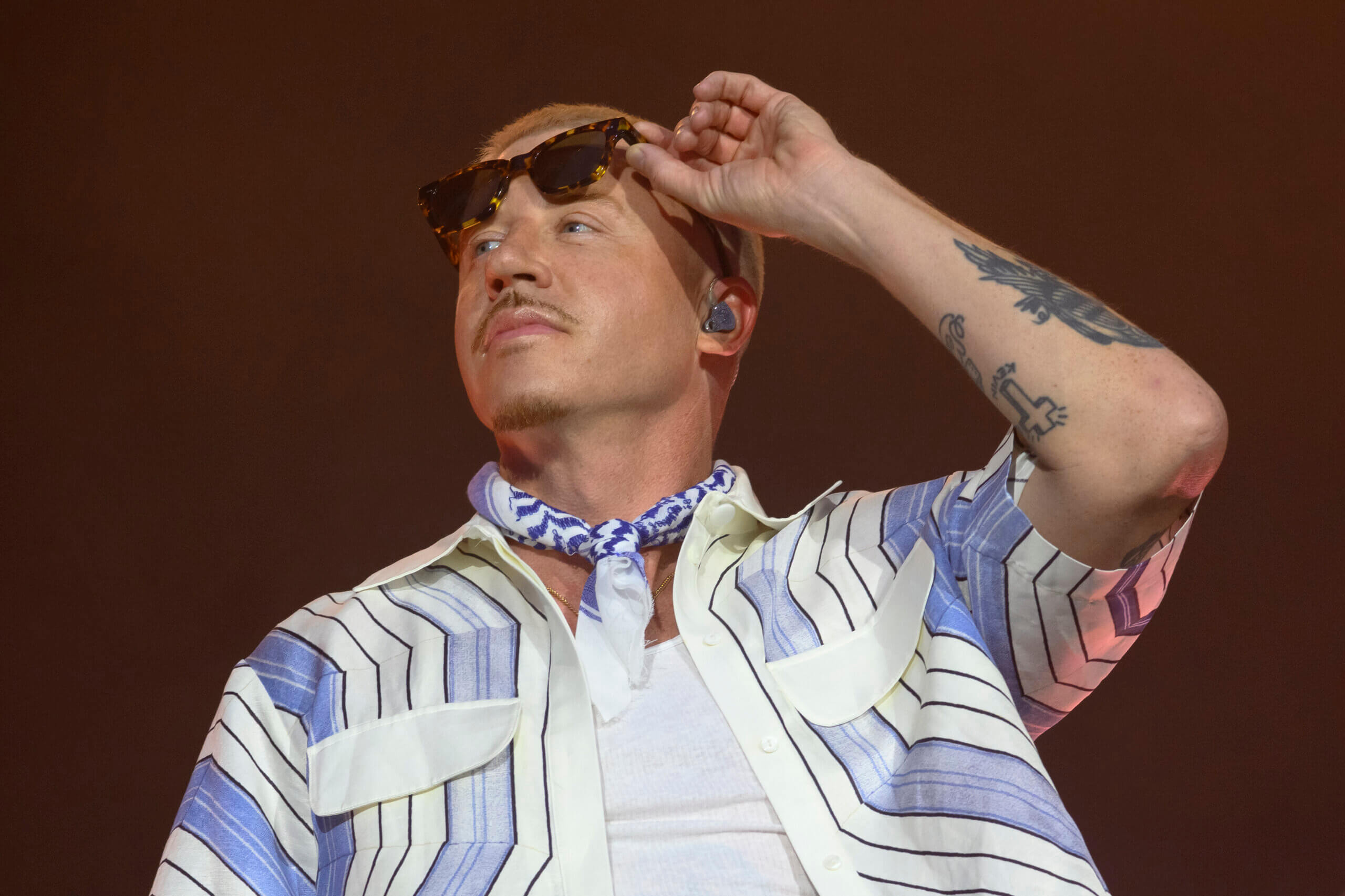
The removal of Macklemore from Ed Sheeran’s U.S. tour serves as a definitive case study in the shifting power dynamics of the live entertainment industry. This development was not merely a creative disagreement but a demonstration of institutional leverage, catalyzed by Macklemore’s vocal support for Palestine. The incident highlights a growing friction between artistic expression and the corporate stakeholders who control the physical infrastructure of global touring.
The Gatekeeper Effect: Venue Ownership and Political Veto
Robert Kraft, owner of Gillette Stadium and the New England Patriots, emerged as a pivotal figure in this controversy. By signaling that Macklemore’s presence would violate an institutional threshold, Kraft illustrated that stadium owners act as active cultural gatekeepers rather than passive landlords. This intervention reveals a hierarchy where the owner of the physical space holds a de facto veto over the content performed within it, irrespective of the lead artist’s intentions.
Economic Imperatives and Promoter Risk Mitigation
The decision-making process was governed by the structural realities of stadium-level logistics. When venue operators signaled their intent to cancel dates if the support act remained, promoters were forced into a risk-mitigation protocol. In the high-stakes environment of a stadium tour, where the cancellation of a single date can result in tens of millions of dollars in lost revenue, the financial solvency of the tour is prioritized over artistic solidarity.
Ed Sheeran’s clarification—attributing the decision to promoters—underscores the contractual limitations of a lead artist. Even global superstars often lack the final authority to protect a support act when financial stakeholders identify a perceived threat to brand safety or community relations.
Strategic Positioning and Cultural Sensitivity
The timing of the conflict, coinciding with the Jewish High Holy Days, added a layer of temporal sensitivity. Institutional leaders like Kraft likely viewed Macklemore’s rhetoric through the lens of community stability and potential reputational fallout during a period of introspection. The objection was notably focused on the delivery and tone of the message, suggesting that for corporate partners, the perceived ‘safety’ of a brand is inextricably linked to the manner in which political discourse is mediated from the stage.
Precedent for Future Touring Contracts
This incident sets a significant precedent for the vetting of support acts. As political polarization continues to intersect with the commercial sector, future contracts may include more stringent clauses regarding on-stage conduct to prevent logistical crises. The Macklemore removal confirms that in the ecosystem of modern live music, the ultimate power resides with those who control the infrastructure, leading to a more cautious and sanitized landscape for high-level entertainment.