
Zimbabwe Cricket’s strategic realignment ahead of the forthcoming series against Australia represents a calculated shift toward institutional stability and competitive leverage. By reintegrating veterans Brendan Taylor and Graeme Cremer, the selection committee has pivoted from experimental youth-centric development toward a model predicated on proven performance metrics. This decision is dictated by the imminent World Cup cycle, where the demand for immediate qualification results necessitates a prioritization of experience over long-term developmental cycles.
Institutional Capital and Veteran Integration
The reintroduction of Taylor and Cremer functions as a structural adjustment designed to mitigate the inherent risks of high-pressure international fixtures. Seasoned players offer a level of psychological resilience and tactical intelligence often absent in developing rosters, particularly when confronting high-performance adversaries like Australia. This move indicates that the technical staff has identified a deficit in leadership capital—an essential asset for maintaining operational efficiency during critical qualification phases.
Competitively, Taylor’s presence in the top order and Cremer’s role in the bowling attack provide a stabilizing influence. Their return facilitates a sophisticated distribution of roles, allowing younger players to operate within defined parameters rather than bearing the disproportionate weight of match-winning responsibilities. This hierarchical clarity is vital for a side aiming to disrupt elite-tier dominance through disciplined, experience-led execution.
The World Cup Horizon and Economic Pressures
The proximity of global tournaments transforms bilateral series into diagnostic tools for squad readiness and tactical viability. For Zimbabwe, the Australia series serves as a benchmark for their projected “revival”—a recovery from previous institutional and performance declines. The urgency is compounded by the financial and reputational incentives of World Cup participation, which remains the primary revenue driver for non-primary cricket markets.
Institutional stakeholders, including sponsors and governing bodies, interpret these matchups as indicators of a program’s commercial health. Success against a top-tier nation validates management’s strategic direction and secures the investment necessary for domestic infrastructure. Consequently, recalling veterans is a risk-mitigation strategy intended to protect the organization’s broader economic and political standing within the global cricket hierarchy.
Psychological Framing and Competitive Asymmetry
The narrative surrounding Zimbabwe’s intent to “topple” established powers serves a specific tactical purpose. By framing the contest as a defiance of the elite, leadership fosters a cohesive internal culture of collective ambition. This psychological positioning helps bridge the gap in resources and technical depth between Australia’s high-performance system and Zimbabwe’s developing infrastructure.
Zimbabwe’s strategy involves identifying high-leverage phases of play—such as middle-over stabilization or late-inning pressure—where veteran experience can neutralize physiological or technical disadvantages. This approach acknowledges competitive asymmetry while refusing to accept it as an insurmountable barrier. The tactical flexibility provided by seasoned campaigners allows the team to transition from a mere participant to a genuine threat on the international stage.
Stakeholder Impacts and Market Sustainability
The outcome of this strategic pivot has significant downstream effects. For the returning veterans, the series is a high-visibility platform to re-establish market value. For the coaching staff, performance serves as a direct reflection of their ability to integrate disparate talent pools under duress. On a global scale, a resurgent Zimbabwe adds value to international broadcasting and tournament diversity.
The structural resilience of the “Chevrons” program, despite historical challenges, is evidenced by its ability to re-integrate high-caliber talent like Taylor and Cremer. This series is the ultimate test of whether this revival is a sustainable trend or a temporary spike. As the World Cup approaches, the focus remains on translating these tactical plans into consistent results, defining Zimbabwe’s trajectory for the coming years.
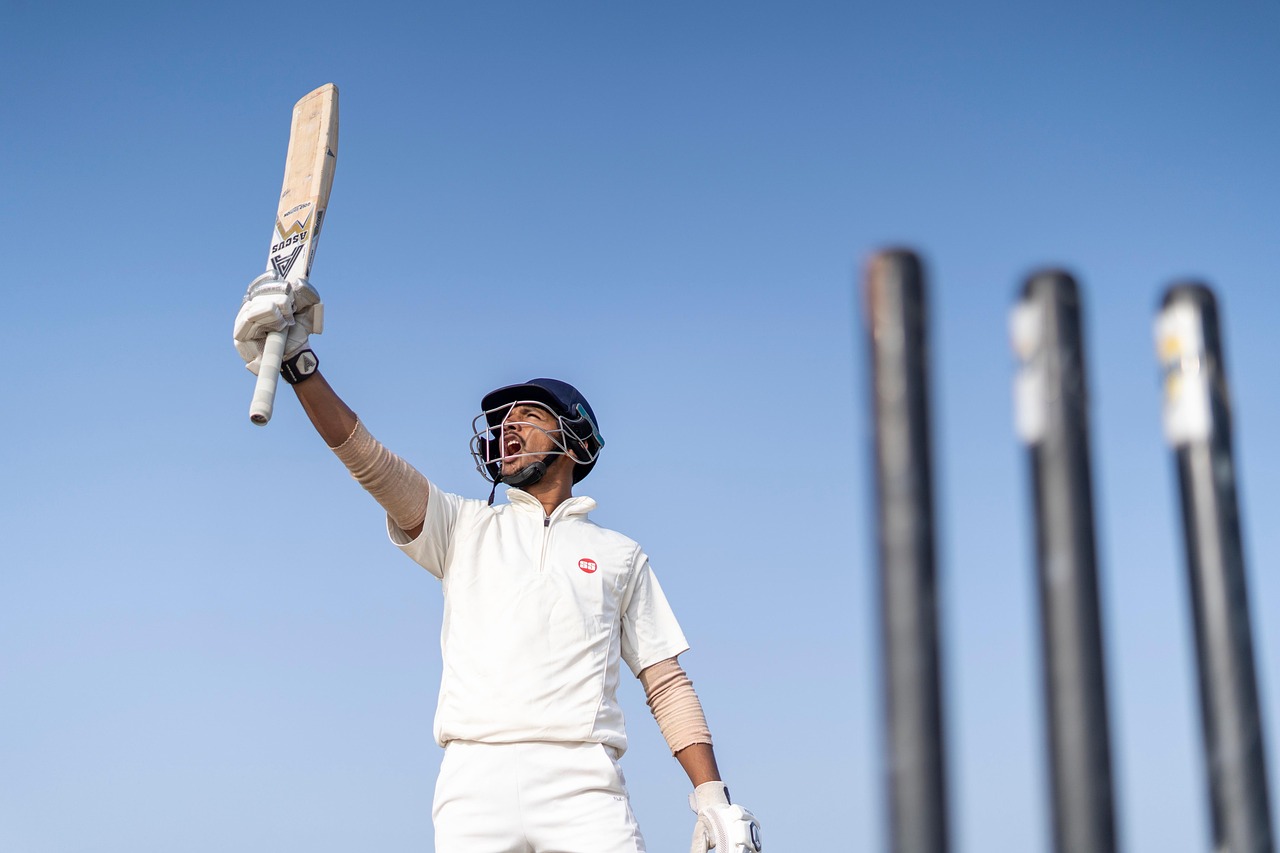
Cover photo by yogendras31 on Pixabay.