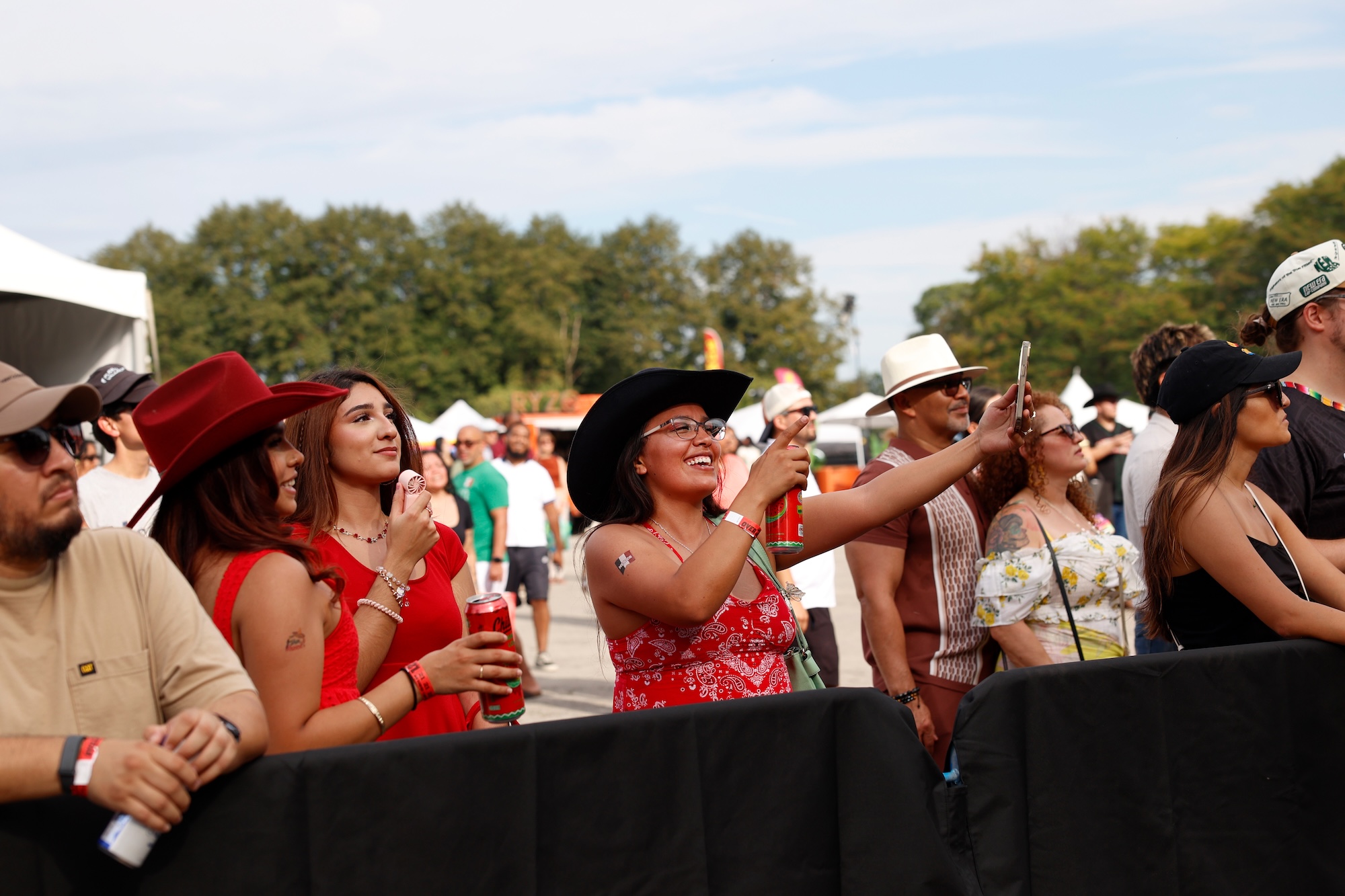
The return of El Grito Chicago to Grant Park marked a structural shift in the city’s festive calendar following the prior year’s cancellation, which coincided with the launch of Operation Midway Blitz by the Trump administration. Despite formal municipal safety assurances, attendance at the downtown festival remained sparse. Participants attributed the muted turnout to persistent anxieties regarding potential federal immigration enforcement actions, alongside viral social media calls for boycotts.
Little Village Demonstration of Resilience
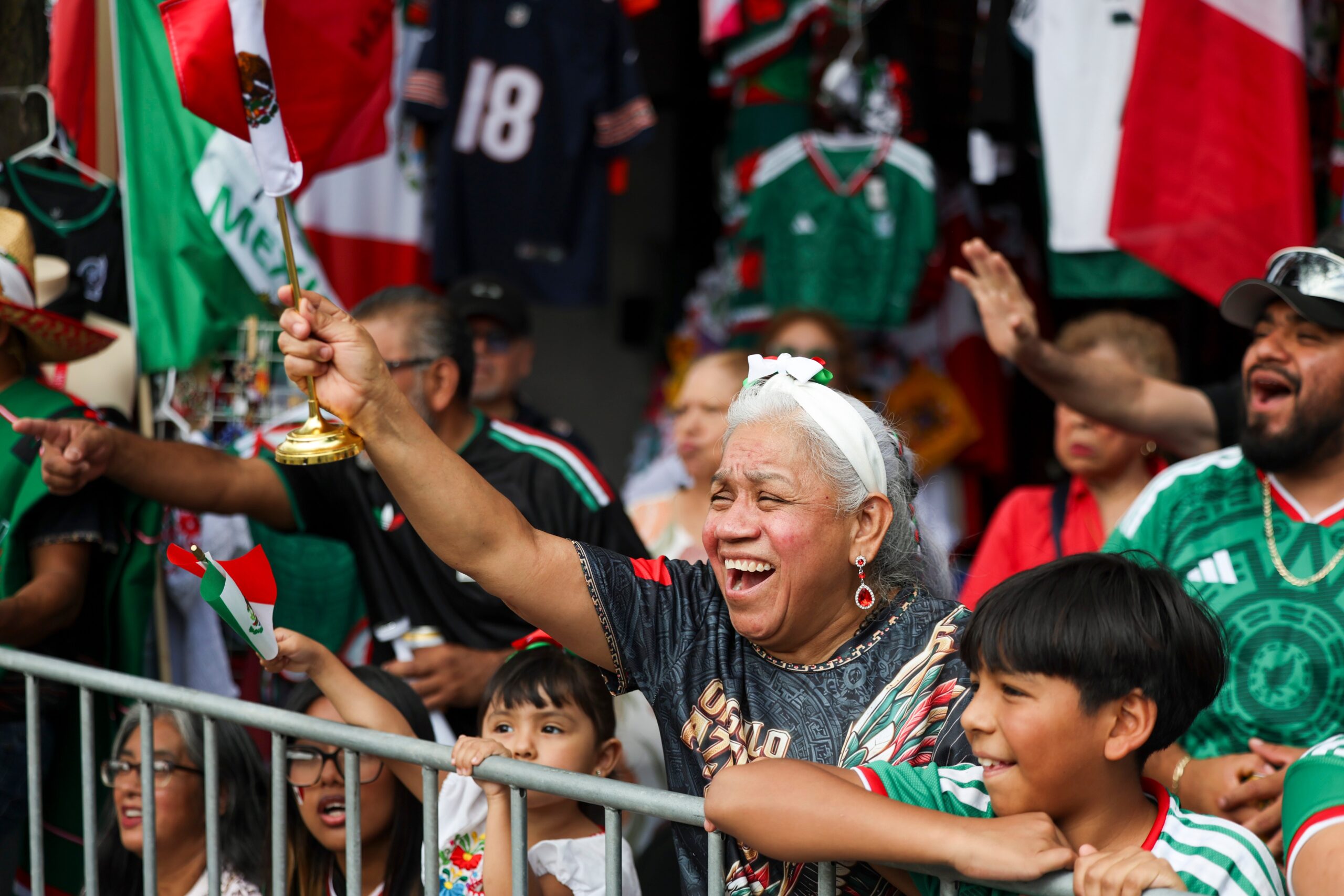
In stark contrast, the historic Little Village neighborhood hosted a vibrant commemoration along 26th Street. Marking its 55th anniversary, the parade stepped off from the Little Village Arch under very different conditions from the previous year, when Operation Midway Blitz established a heavy federal presence in the majority-Latino district.
According to the Little Village Chamber of Commerce, approximately 400,000 individuals attended the procession, which extended toward Kostner Avenue with musical performances and widespread displays of Mexican flags. Singer-songwriter Adriel Favela served as Grand Marshal. Local business owners characterized the atmosphere as one of cautious optimism, noting that while foot traffic has not fully returned to pre-enforcement benchmarks, family participation reaffirmed the corridor’s economic and cultural centrality.
Institutional and Economic Stakeholder Dynamics
The divergence in participation between downtown venues and neighborhood corridors highlights the localized calculus of public engagement under regulatory scrutiny. Municipal authorities faced the challenge of balancing public safety with cultural expression following a summer spike in immigration arrests. For local enterprises relying on these milestones for annual revenue, the partial rebound in customer volume underscores the direct link between perceived community safety and economic performance.