Systemic Vulnerabilities Exposed in Pennsylvania Measles Fatality
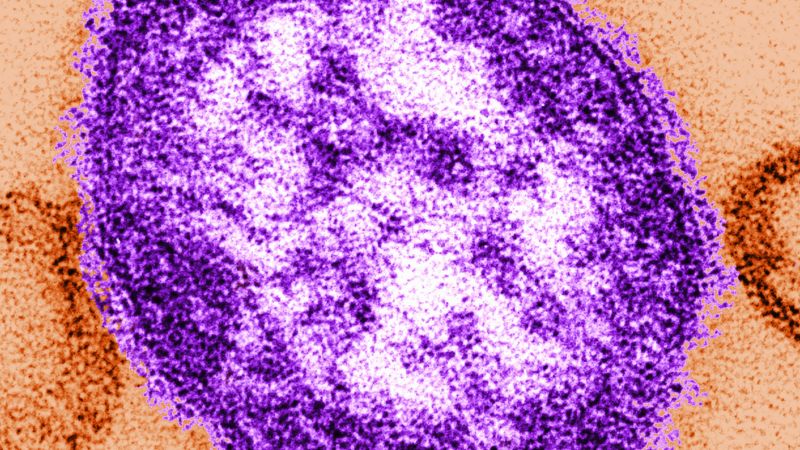
Pennsylvania confirms its third measles-associated death—a 40-year-old Jefferson County resident—marking a severe escalation in the state’s most significant public health crisis in 35 years. This fatality, amidst an outbreak now encompassing 676 confirmed cases across 37 counties, tragically underscores the lethal potential of a re-emergent disease previously considered eradicated domestically.
Jefferson County Coroner Greg Furlong confirmed the decedent was an unvaccinated individual, contracting the virus from a family member. This specific transmission pattern highlights the rapid secondary attack rate of measles and the critical vulnerability when the pathogen infiltrates multi-generational households with immunization gaps, effectively bypassing community-level herd immunity.
Institutional Friction and the State-Federal Divide
Beyond the clinical severity, the escalating outbreak has ignited a significant political and administrative clash between Pennsylvania state and federal health authorities. This friction primarily revolves around the optimal calibration of public health responses, the uniformity and enforcement of quarantine protocols, and the equitable allocation of emergency resources across the now 37 affected counties.
Federal agencies typically advocate for standardized, aggressive intervention strategies. However, state-level administrations must navigate complex local political sensitivities and the diverse logistical realities of individual county health departments. This inherent tension risks delaying unified containment measures, potentially allowing measles to establish footholds in new geographic regions before decisive, coordinated action can be fully implemented.
The Pennsylvania Department of Health’s ongoing forensic review of the Jefferson County fatality is critical for establishing clear accountability and informing future policy. This investigation will seek to determine if the surge is primarily a consequence of localized vaccine hesitancy or indicative of broader systemic failures in the state’s public health surveillance, reporting, or response mechanisms.
The Economic and Operational Burden of Hospitalization
With 124 recorded hospitalizations, the outbreak places substantial operational and financial pressure on Pennsylvania’s healthcare infrastructure, particularly in the Lancaster County epicenter. An approximate 18% hospitalization rate among confirmed cases signifies high clinical severity, demanding specialized isolation facilities and intensive nursing care. This strains critical resources, especially for rural and community hospitals already operating with limited capacity.
The financial implications are considerable, encompassing high costs for respiratory support, management of secondary infections, and rigorous Personal Protective Equipment (PPE) mandates for healthcare workers. These expenditures, often absorbed by the public health system or private insurers, generate a significant secondary economic impact that compounds the immediate clinical crisis.
Furthermore, the intense operational demand to track and monitor 676 confirmed cases—and their thousands of potential contacts—necessitates a massive mobilization of epidemiological staff. This critical diversion of resources from other public health priorities risks generating long-term deficits in chronic disease management, preventative care programs, and other essential public health services across the state.
Epidemiological Dynamics and the Unvaccinated Demographic
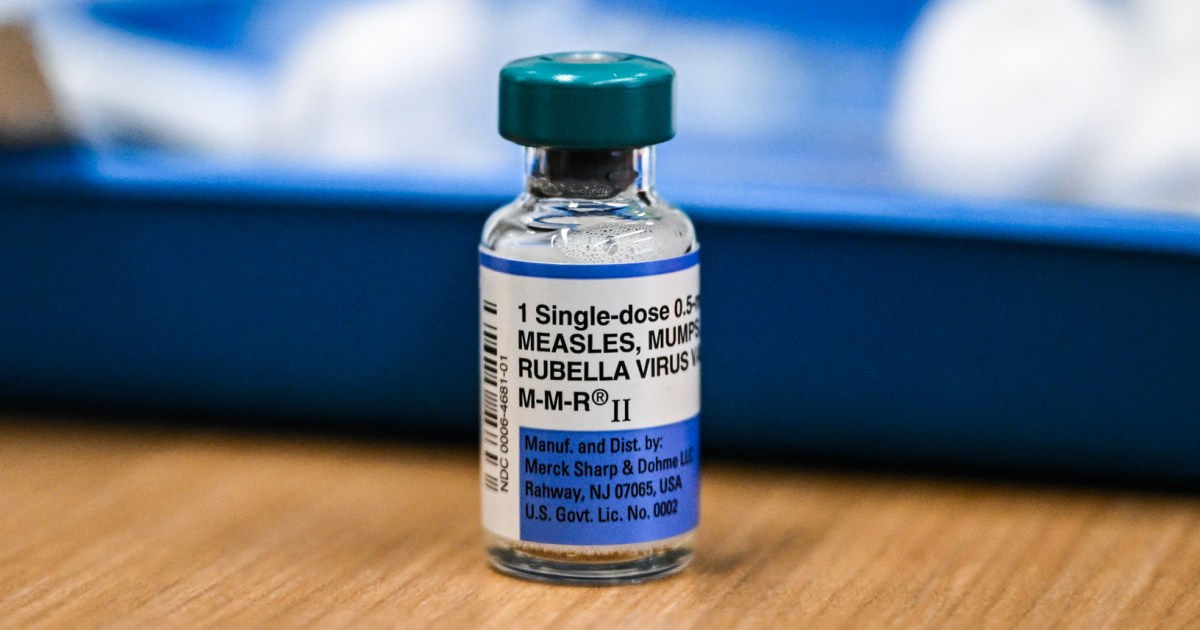
Data from Pennsylvania health officials definitively correlates unvaccinated status with infection risk: fewer than 1% of the 676 confirmed cases were fully vaccinated. This statistic unequivocally demonstrates that the outbreak is circulating almost exclusively within non-immunized populations, thereby creating high-density pockets of vulnerability that facilitate rapid, unchecked viral dissemination.
The sustained concentration of cases in Lancaster County, the undisputed epicenter, indicates that geographic and social clusters significantly drive the outbreak’s momentum. In communities with low immunization coverage, measles—a highly contagious virus—can achieve its maximum basic reproduction number (R0), leading to the exponential growth exemplified by 108 new cases in a single week.
The fatality of a 40-year-old adult starkly highlights a crucial shift in the disease’s risk profile. While commonly perceived as a childhood illness, measles can present with significantly higher complication rates in adult populations. This demographic shift necessitates a broader public health communication strategy to specifically address adult immunization gaps and the inherent risks of intra-household transmission from potentially asymptomatic or undiagnosed younger family members.
Forensic Oversight and Public Health Accountability
The pivotal role of the Jefferson County Coroner in confirming the cause of death underscores the critical intersection of forensic science and public health surveillance during an active crisis. Officially attributing the fatality to measles complications provides the indispensable legal and medical basis for the state’s emergency response, public warnings, and resource mobilization.
This formal attribution is essential for maintaining the integrity of public health data, directly influencing federal funding levels and the potential deployment of Strategic National Stockpile resources if the outbreak continues to escalate. The seamless collaboration between the coroner’s office and the Pennsylvania Department of Health exemplifies a multi-agency effort to accurately quantify the virus’s true impact on the state’s mortality rate.
As the state meticulously reviews the Jefferson County case, the investigation will critically examine any missed opportunities for intervention or identified gaps in the patient’s clinical management. These findings will be instrumental in refining the state’s medical protocols for adult measles patients, who often present with distinct diagnostic and prognostic challenges compared to pediatric cases.
Strategic Implications for Future Containment
The current trajectory of the Pennsylvania outbreak, characterized by case counts and fatalities unprecedented in 35 years, signals a profound structural shift in the state’s public health landscape. The transition from sporadic cases to a sustained, multi-county epidemic unequivocally demands a fundamental overhaul of existing containment strategies to effectively address modern challenges in vaccine uptake, public trust, and misinformation.
Strategic decisions in the coming weeks—concerning school mandates, public gathering restrictions, and targeted immunization clinics—will be pivotal in determining if the state can successfully plateau the infection curve. Furthermore, the resolution of the political clash between state and federal officials will set a crucial precedent for managing future infectious disease outbreaks within an increasingly polarized and decentralized administrative environment.
Ultimately, the third fatality in this outbreak serves as an unambiguous signal to all stakeholders: the situation has transcended a manageable public health nuisance, evolving into a high-stakes crisis with profound human and institutional consequences. Pennsylvania’s health infrastructure’s capacity to adapt to and effectively mitigate this resurgence will be a definitive measure of its resilience against re-emerging biological threats.