
The Veteran Mandate: Risk Mitigation in FIBA Knockout Rounds
USA Basketball’s 76-66 semifinal victory over Spain codified a strategic reliance on veteran-led stability over high-upside developmental integration. Coach Kara Lawson’s rotation prioritized defensive cohesion and low-variance execution, a necessity driven by a contest that remained deadlocked entering the fourth quarter. This approach highlights an institutional preference for players conditioned to the nuances of FIBA officiating and the physical exigencies of the international game, which often contrast sharply with domestic professional pacing.
By leaning on the veteran core, the coaching staff effectively mitigated the volatility inherent in knockout-stage basketball. The decision to maintain this posture suggests a calculated assessment of the competitive landscape: against a disciplined Spanish defense, the margin for error was deemed too narrow to accommodate the learning curve of emerging assets, despite their significant offensive gravity.
Substitution Hierarchies: A Tactical Breakdown
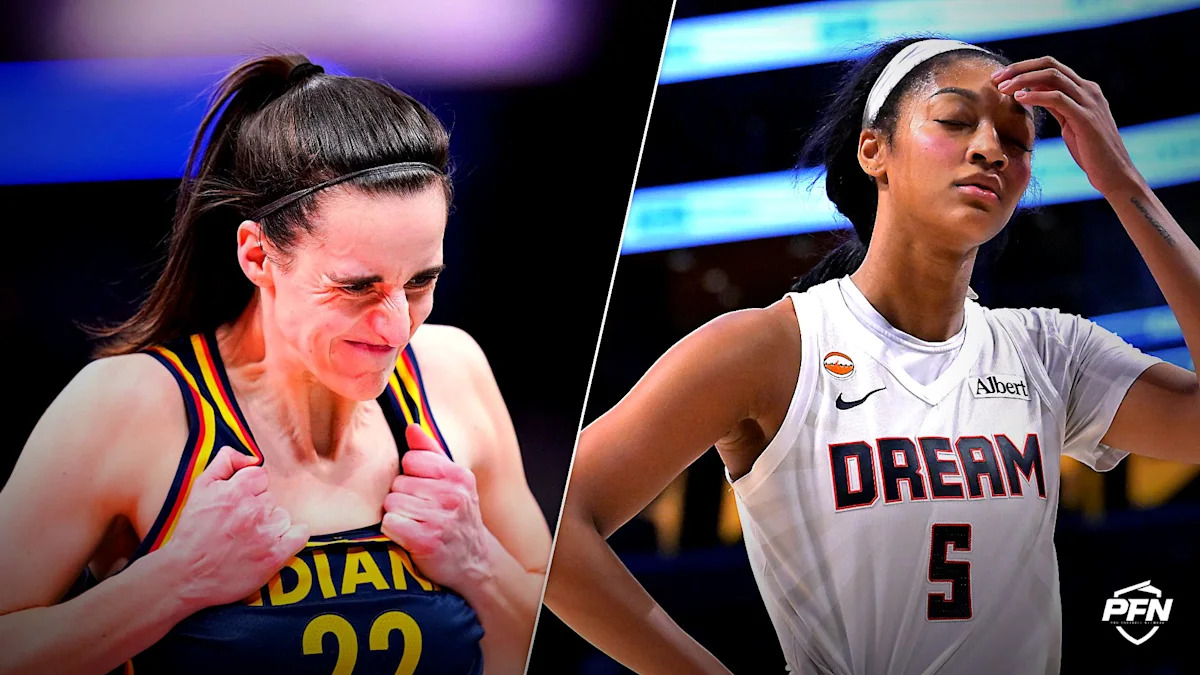
An analysis of the opening quarter’s substitution patterns reveals a rigid tactical hierarchy. Paige Bueckers served as the primary secondary wing, relieving Kahleah Copper at the 6:59 mark. However, the entries of Caitlin Clark (3:49) and Angel Reese (2:16) functioned as situational relief rather than core tactical pivots. This conservative management provided the starting unit with recovery intervals without disrupting the established backcourt rhythm.
The immediate re-entry of Chelsea Gray for Jackie Young and Napheesa Collier for Aliyah Boston late in the first quarter underscores the ‘short leash’ policy applied to the bench. These maneuvers indicate that the coaching staff prioritized immediate tactical adjustments to counter Spain’s early momentum, rather than allowing the younger lineup to navigate complex defensive schemes in high-leverage minutes.
The Brand-Performance Paradox: Institutional Friction
The visible frustration of the 2024 and 2025 draft classes on the sideline illustrates a collision between individual commercial power and the seniority-based culture of USA Basketball. This ‘brand-performance paradox’ creates internal tension, as the market-driven desire to see global stars on the floor clashes with the program’s singular mandate: securing gold medals through proven assets.
External characterizations of this friction as personal animosity overlook the operational realities of a national team. However, the perceived underutilization of generational talent risks creating a narrative of stagnation. Balancing the long-term necessity of talent succession with the immediate requirement of competitive dominance remains the most critical structural challenge for the organization heading into the final against France.
Breanna Stewart and the Stabilization of Competitive Capital
Breanna Stewart’s fourth-quarter performance served as the ultimate empirical justification for the current rotation. Her ability to provide scoring gravity and defensive versatility in a tied game demonstrates the gap in international experience the younger cohort has yet to bridge. Stewart acts as the team’s stabilizing force, ensuring that the USA maintains its status as the global standard while younger players remain in a developmental holding pattern during high-stakes environments.
Long-Term Implications: Talent Pipeline Bottlenecks
The refusal to expand the roles of Clark, Reese, and Bueckers in a close semifinal suggests that the veteran core will shoulder the majority of the load in the gold medal game. While this maximizes the probability of immediate victory, it potentially delays the integration of the league’s most valuable assets. USA Basketball faces a steeper learning curve in the next Olympic cycle if the transition of the veteran core is not paired with meaningful, high-pressure minutes for the next generation. The outcome of the 2026 World Cup will ultimately validate the meritocracy of experience or accelerate calls for a fundamental shift in talent management.
Photo by Lernestorod on Pixabay.