
Tactical Depth and Offensive Synchronization
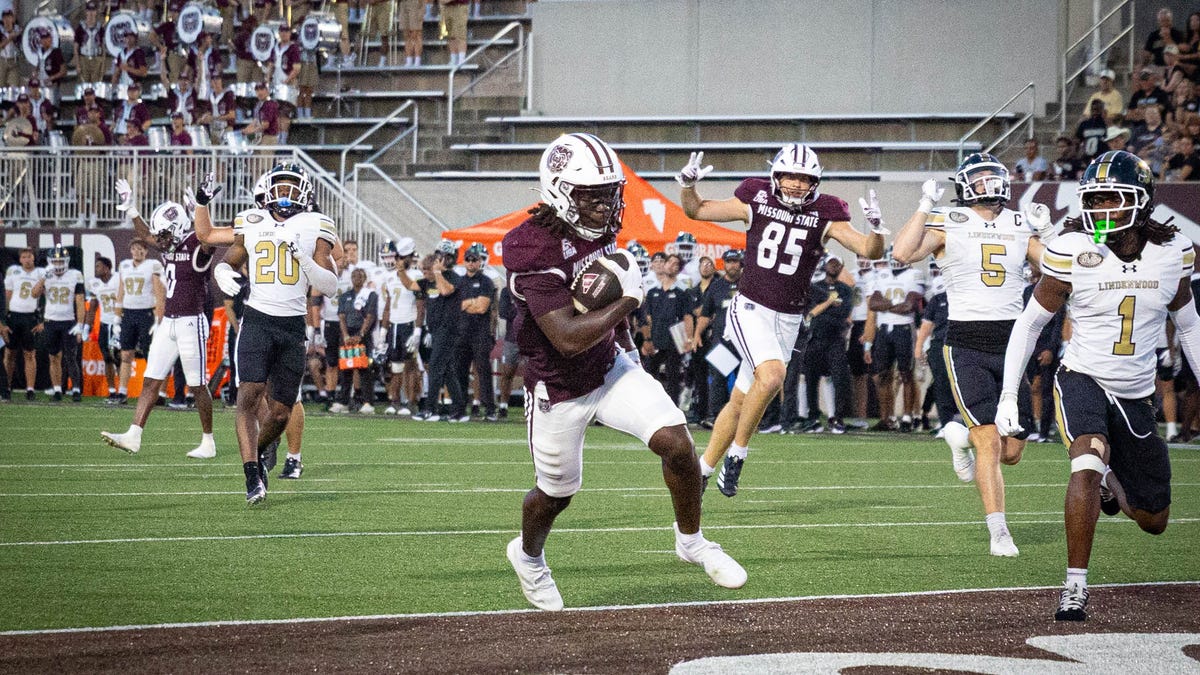
Missouri State’s Week 2 performance against the Lindenwood Lions at Robert W. Plaster Stadium provided a comprehensive case study in roster depth and multi-faceted offensive execution. The Bears utilized a high-efficiency passing game and a disciplined rushing attack to systematically dismantle Lindenwood’s defensive secondary, particularly during a dominant second-half surge that exploited schematic vulnerabilities and defensive fatigue.
Vertical Exploitation: Isaiah Myers’ Breakout Performance
The third quarter served as the game’s primary inflection point, characterized by vertical efficiency that forced the Lions into reactive defensive alignments. Quarterback Skyler Locklear established an early rhythm, completing five consecutive passes by the 10:30 mark. This baseline of efficiency allowed wide receiver Isaiah Myers to emerge as a dominant deep threat. Myers surpassed the 100-yard receiving threshold early in the period before a 49-yard reception at the 8:26 mark pushed his total over 150 yards. This vertical pressure fundamentally compromised Lindenwood’s safety shells, creating favorable boxes for the Bears’ interior rushing game.
Situational Versatility: The Multi-QB Rotation
The operational deployment of three different quarterbacks—Skyler Locklear, Pops Battle, and Henry Belin IV—highlights a strategic emphasis on situational versatility and player development. Each passer offered a distinct utility: Pops Battle demonstrated superior red-zone efficiency, connecting with Drew Krobath for a 15-yard touchdown and later finding Elijah Roy for a 32-yard score in the fourth quarter. Meanwhile, Henry Belin IV showcased dual-threat capabilities, capping the third quarter with a 16-yard touchdown run. This rotational strategy forces future opponents to prepare for disparate skill sets within a single game structure.
Red-Zone Discipline and Short-Yardage Capitalization
While the passing game provided the explosive yardage, the rushing attack, led by Ramone Green Jr., ensured the conversion of high-leverage opportunities. Green Jr.’s 1-yard touchdown run at the 7:20 mark of the third quarter—his second of the contest—underlined a disciplined approach to offensive line push and short-yardage execution. This balanced output prevented the Lions from focusing exclusively on neutralizing the vertical threat of Myers, ensuring long-term seasonal sustainability by distributing the physical workload across the roster.
Programmatic Impact and Media Visibility
The game’s visibility on streaming platforms like Fubo underscores the increasing media value of high-output FCS programs. Milestones such as Myers’ 150-yard performance and the integration of secondary options like Elijah Roy (who recorded his first score of the game at 12:31 in the fourth) generate the statistical content necessary for digital engagement and recruiting. For stakeholders, the performance at Robert W. Plaster Stadium validates the current coaching trajectory, signaling a modern, high-efficiency offensive identity that aligns with contemporary collegiate trends.

Photo by Goodfreephotos_com on Pixabay.