Strategic Finale: Managing the Lifecycle of a Flagship Cable IP
Starz has officially slated the conclusion of its flagship drama P-Valley with its upcoming third season. Premiering December 4 with two back-to-back episodes, the nine-episode farewell marks the end of an extended hiatus following the Season 2 finale in August 2022. By capping the critically acclaimed Southern noir at 27 total episodes, creator and showrunner Katori Hall and Starz avoid the narrative entropy that frequently plagues mid-tier cable dramas, securing an intentional, author-driven exit.
Creative Provenance vs. Subscriber Retention Economics
Hall’s trajectory with the property traces back to its 2009 inception in New York City, culminating in a rare outcome for contemporary television: structural autonomy over the narrative terminus. In an industry increasingly dominated by algorithmic renewals and abrupt cost-cutting cancellations, Starz’s endorsement of a predetermined final chapter reinforces its talent-friendly positioning. Kathryn Busby, President of Original Programming at Starz, highlighted the drama’s provocative, inclusive architecture as a foundational pillar of the network’s cultural footprint—critical currency for a premium linear and streaming service targeting distinct audience demographics to counter churn.
Chucalissa’s Narrative Climax: Economic Shock and Ensemble Arcs
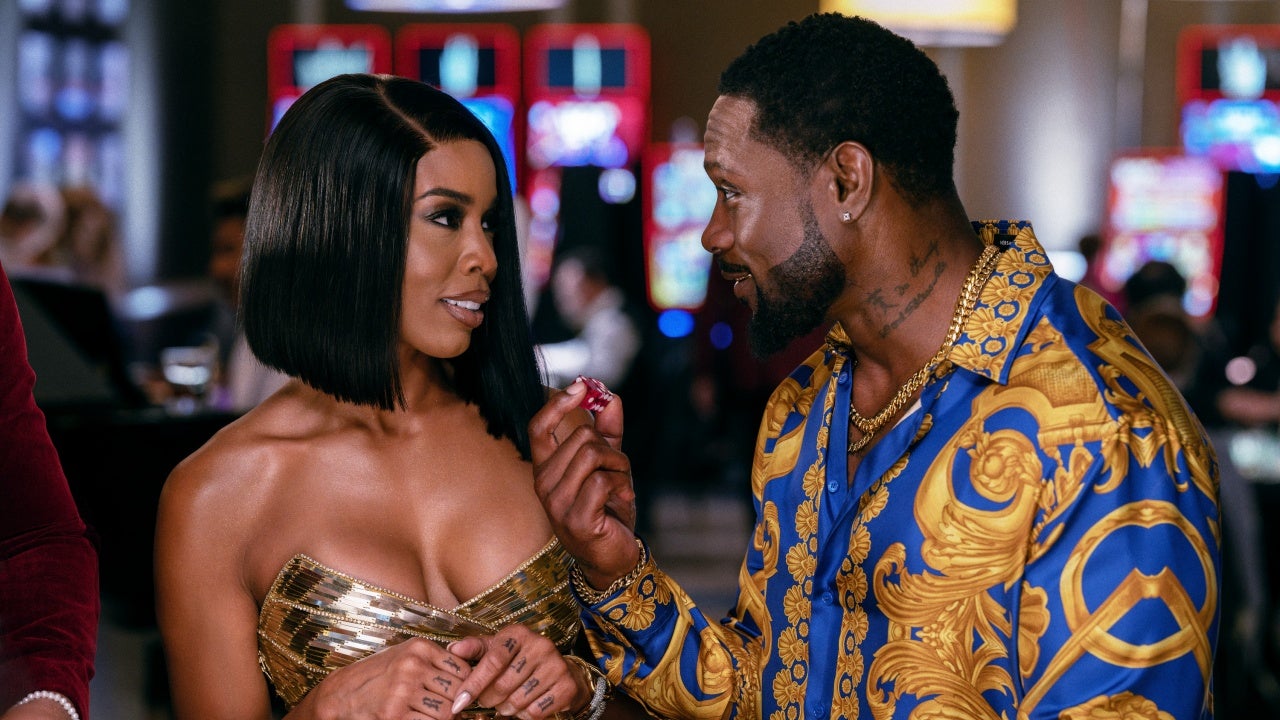
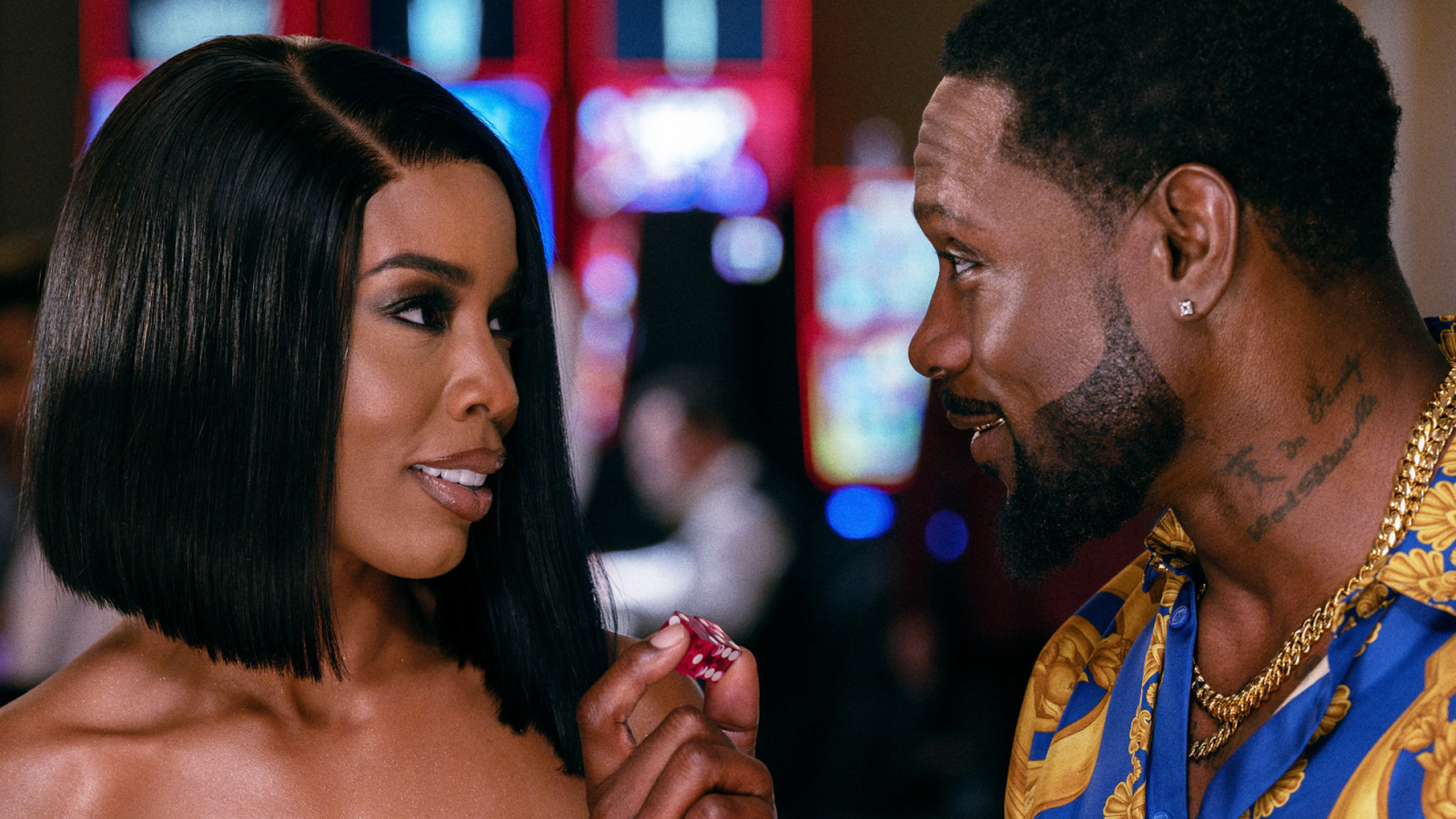
The farewell season escalates socio-economic tension in the fictional Mississippi Delta enclave of Chucalissa, catalyzed by the newly operational Promised Land Casino. The introduction of institutional gambling capital functions as a narrative accelerant, destabilizing the fragile ecosystem of the Pynk strip club and testing communal hierarchies under conditions of sudden liquidity. Returning series regulars Nicco Annan (Uncle Clifford), Brandee Evans (Mercedes), Shannon Thornton (Keyshawn), and J. Alphonse Nicholson (Lil’ Murda) reprise their roles to resolve multi-season character trajectories. Starz’s multi-platform rollout—incorporating Lil’ Murda’s original single “Homegrown” into the promotional campaign—reflects a coordinated push to mobilize audience engagement ahead of the Q4 release window.
Production Timelines and the Modern Prestige Calculus
The prolonged production cycle preceding Season 3 reflects the logistical frictions inherent in prestige cable: managing large ensemble availability alongside competing feature-length commitments. Rather than permitting delays to erode brand equity, Starz framed the conclusion as an organic culmination rather than an attrition-driven cancellation. This managed sunset preserves P-Valley‘s syndication and library value while enabling Starz to strategically redeploy development resources into next-generation programming verticals.