
The Strategic Dissonance in Marvel’s Wolverine
The critical reception of Insomniac Games’ Marvel’s Wolverine signifies a pivotal moment, contrasting sharply with the studio’s prior successes with its Spider-Man franchise. While the title excels in technical execution, particularly in its combat systems, prevailing critical sentiment highlights a divergence between mechanical polish and systemic innovation. This tension presents a complex challenge for Sony’s first-party strategy, which hinges on high-prestige titles to drive hardware sales and ecosystem engagement.
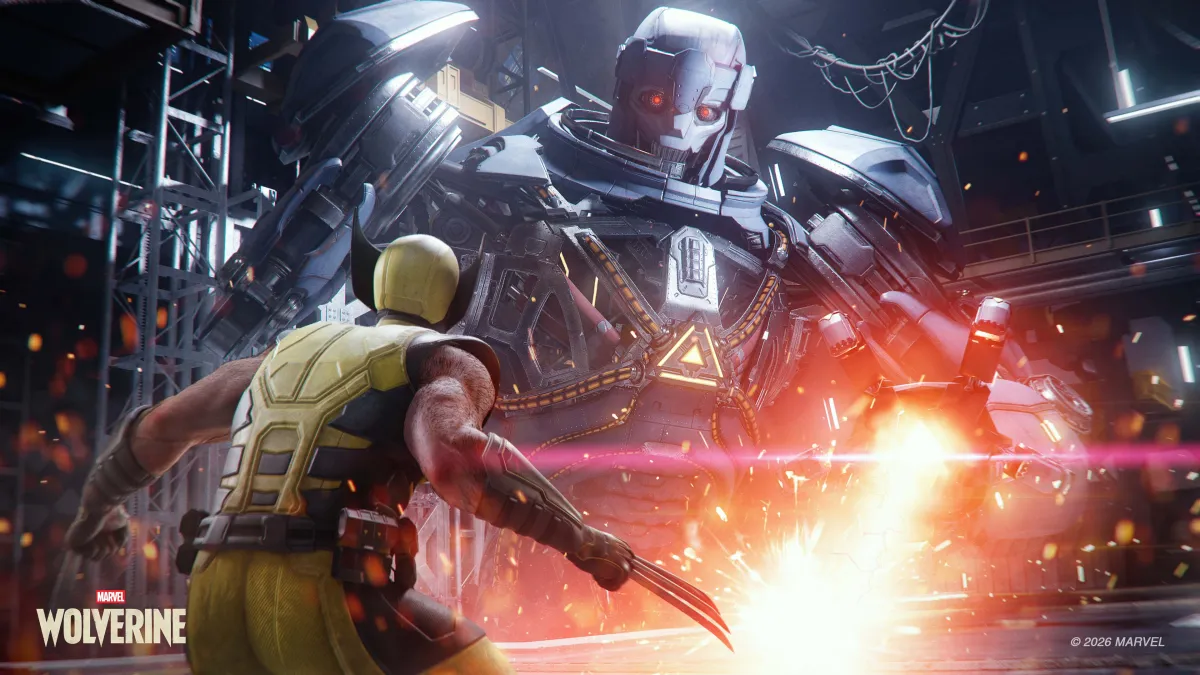
The reported ‘brutal efficiency’ of Wolverine’s combat mechanics underscores a focused investment in character-specific fidelity and kinetic feedback. By meticulously capturing the character’s destructive ferocity, developers prioritized an immediate, tactile experience over broader gameplay evolution. This strategic choice ensures a satisfying core loop but risks criticism for repetitive linearity, especially as players increasingly expect expansive agency and emergent gameplay.
Operational Excellence vs. Structural Ambition
Early assessments frequently laud the ‘relentless momentum’ of the combat, setting a new benchmark for character action. However, reported narrative shortcomings and rigid progression linearity suggest a potential disproportionate allocation of operational resources towards combat systems. This imbalance reflects the inherent difficulty in scaling Wolverine’s intimate, visceral combat style into a cohesive, large-scale structural framework.
From a development perspective, prioritizing linearity can be a risk-mitigation strategy, aiming for a polished, bug-free launch. While this approach safeguards the brand from technical failures plaguing other high-profile releases, it limits the game’s potential to redefine the action-adventure genre. The resultant Metacritic scores, comparatively lower than the studio’s historical performance, underscore the diminishing returns of polish when not complemented by structural novelty.
Narrative Decoupling and Brand Positioning
The creative decision to omit central X-Men figures like Professor Xavier and Magneto marks a bold narrative decoupling from traditional mythology. This absence allows Insomniac to explore Logan’s psyche without the influence of the team’s ideological conflicts, fostering a ‘bleak’ and isolated atmosphere. Strategically, this isolates the Wolverine IP, enabling it to stand independently rather than serving as a gateway to a larger universe.
This isolation places the narrative’s entire weight on Logan’s personal relationships and immediate world dynamics. If these elements fail to resonate with the same impact as the combat, the narrative risk becomes a significant liability. The focus on a grounded, singular experience appears intended to differentiate the title from ensemble-driven superhero narratives, though its success hinges on the depth and execution of the remaining cast.
The Metacritic Factor and Institutional Reputation
For a studio of Insomniac’s caliber, Metacritic scores falling below a ‘prestige’ threshold carry immediate implications for institutional standing and market perception. Within Sony Interactive Entertainment, high review scores are directly linked to capital allocation and long-term strategic planning. A perceived lack of structural ambition in a flagship title can signal potential creative stagnation or a shift towards more conservative production models to investors and stakeholders.
The competitive landscape for single-player action titles is increasingly saturated. The established ‘Sony formula’ of high-fidelity, narrative-driven games faces heightened scrutiny. Marvel’s Wolverine serves as a critical case study in the challenges of maintaining a streak of critical acclaim amidst escalating development costs and complexities. The title’s performance will likely influence future Marvel license management, particularly regarding the balance between character fidelity and world-building ambition.
Market Consequences and Stakeholder Exposure
The primary beneficiaries of the game’s mechanical success are core fans prioritizing the ‘definitive Wolverine experience.’ The visceral slashing and high-speed combat fulfill a market demand for a mature, uncompromising portrayal of the character. However, a broader gaming audience, potentially less invested in the IP, may find the linearity and narrative shortcomings to be barriers to entry, limiting long-term sales potential.
Retailers and platform holders face exposure tied to the game’s reception; a mediocre critical score can dampen initial launch momentum. While the ‘Wolverine’ brand carries significant equity, modern consumers increasingly consult critical consensus before committing to full-price purchases. Downstream effects on DLC strategy and sequel potential will depend heavily on how the market reconciles the game’s mechanical brilliance with its structural limitations.
Conclusion: The Cost of Mechanical Perfection
Marvel’s Wolverine demonstrates that even with ‘near perfection’ in specific areas like combat ferocity, a lack of broader ambition can significantly color the overall perception of a high-budget project. The strategic decision to focus on the character’s ‘brutal efficiency’ has resulted in a title powerful in its moment-to-moment gameplay but potentially lacking the systemic depth for legendary status. This outcome highlights evolving player expectations, where technical excellence is the baseline, not the ultimate goal.
As the industry progresses, lessons from Wolverine’s development and reception will likely inform a more balanced approach to character-driven action games. The tension between the protagonist’s ‘relentless momentum’ and the surrounding structure’s ‘stumbling’ serves as a reminder that in AAA development, ambition is as critical a resource as technical skill. The game’s ultimate impact will be measured not only by its combat but by its ability to sustain interest in a world that, despite its strengths, may lack its most iconic anchors.

Photo by Pexels on Pixabay.