
The Strategic Rollout of Collector Hardware
Nintendo has introduced a high-profile hardware iteration for its successor platform, designated as the Nintendo Switch 2: The Legend of Zelda 40th Anniversary Edition. Scheduled for release on October 29, this limited hardware bundle applies a distinctive black-and-gold aesthetic featuring Triforce-inspired artwork directly to the console housing, the matching dock, and the revised Joy-Con 2 controllers.
Priced at $520, the collector package incorporates the baseline operational architecture of the standard Switch 2 platform. Buyers receive enhanced processing performance, a high-fidelity display, and native support for up to 4K resolution output when the system is docked to compatible television hardware. This pricing strategy places a distinct premium on cosmetic exclusivity while maintaining hardware parity with the broader ecosystem.
Hardware Parity and Software Separation
The collector console bundle omits the physical or digital copy of the franchise’s accompanying software, requiring consumers to acquire titles independently. This packaging decision aligns with historical console distribution patterns where limited-edition hardware targets dedicated institutional collectors and high-engagement brand loyalists rather than budget-conscious entry-level buyers.
Concurrently, the manufacturing timeline dictates an October release window for the hardware, establishing a direct runway for subsequent major software deployments. By decoupling the hardware release from specific bundled software, the platform holder optimizes distribution logistics across independent manufacturing supply chains for both peripherals and media.
The Ocarina of Time Remake Launch Dynamics
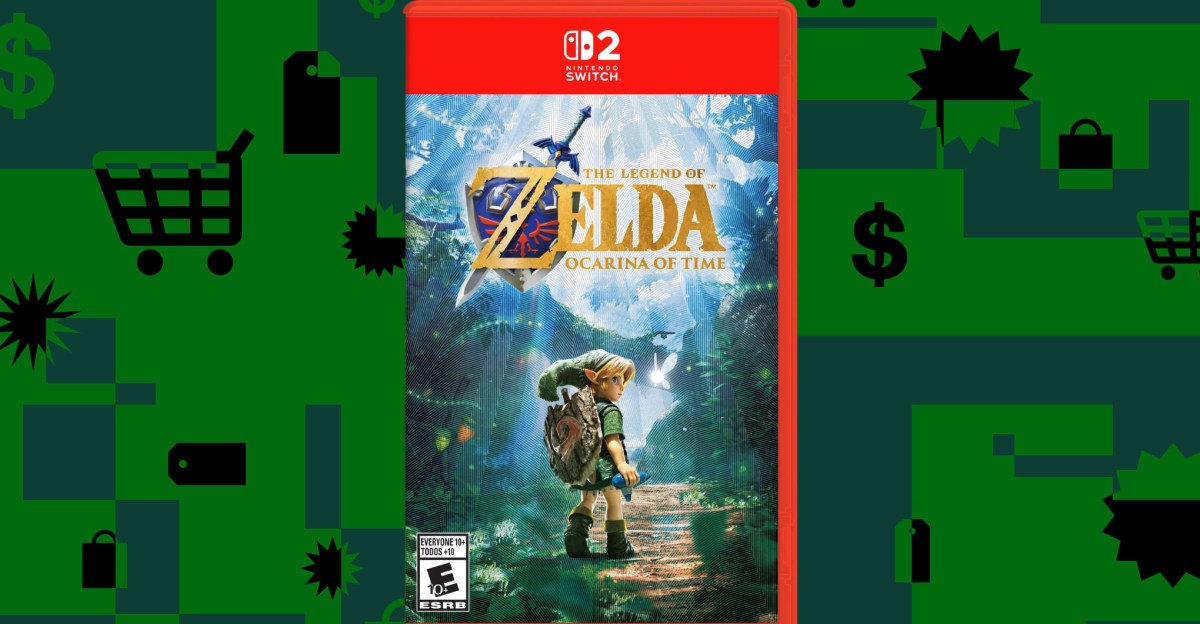
Complementing the hardware announcement, Nintendo detailed the upcoming release of a comprehensive graphical and mechanical overhaul for The Legend of Zelda: Ocarina of Time, slated for launch on November 5, 2026. Retailer pricing strategies for the physical media have already experienced market adjustments, with Walmart listing physical preorders at $59.88, undercutting standard physical pricing structures by ten dollars and matching digital storefront pricing.
This pricing alignment between physical and digital formats reflects shifting retail competitive pressures within the console ecosystem. Securing launch-day fulfillment for physical media remains a critical logistical objective for major big-box distributors seeking to capture high-value preorder volume ahead of the autumn release window.
Modernizing Classic Game Mechanics
The technical scope of the Ocarina of Time remake extends far beyond simple asset resolution updates, introducing modern physics engines, dynamic shadow rendering, and sophisticated environmental detail layers. Quality-of-life additions include a fully free-floating camera system to navigate redesigned spaces and an integrated guidance feature entitled Threads of Time to direct player progression.
Among the most notable design modifications is the inclusion of a dedicated jump input for the protagonist, fundamentally altering traversal mechanics compared to the original Nintendo 64 architecture. These modernization choices indicate a strategic effort to bridge historical design frameworks with contemporary gameplay expectations for incoming generations of players.
Ecosystem Expansion and Ancillary Retail Trends
The September livestream event served as a broader showcase for upcoming platform software alongside peripheral promotions spanning multiple hardware categories. Retail discounting accompanied the primary console and software announcements, extending to third-party accessories such as specialized input devices, touchscreen-enabled audio gear, and smart home lighting solutions.
Such cross-promotional retail behavior highlights how platform announcements stimulate ancillary hardware markets across major distribution channels. The synchronization of software preorders, hardware bundles, and peripheral discounts demonstrates a coordinated retail approach heading into the late-year sales cycle.
Institutional Context of the Anniversary Direct
The framing of these announcements around the 40th Anniversary Direct underlines the long-term asset value of core intellectual property within Nintendo’s broader corporate portfolio. By leveraging historical catalog milestones, the company sustains continuous market engagement across hardware transitions without relying entirely on unproven intellectual properties.
Furthermore, the utilization of smart-device distribution apps like Nintendo Today! exemplifies the ongoing integration of digital infrastructure into consumer touchpoints. These operational mechanisms ensure that announcements achieve direct distribution to authenticated account holders while gathering critical telemetry on regional user engagement.