
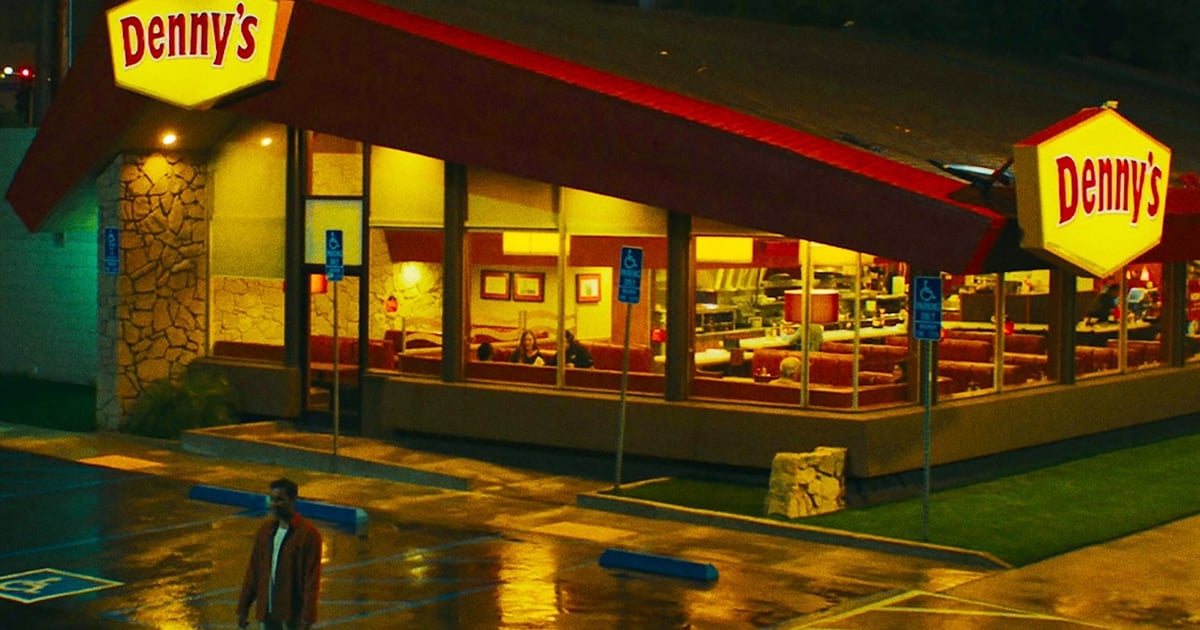
Franchisee Bankruptcy Forces Closure of 5 Denny’s Locations
Denny’s Corporation is experiencing a further contraction in its U.S. footprint as franchisee M15 Inc. filed for Chapter 7 bankruptcy, resulting in the permanent closure of five Denny’s restaurants across Minnesota and Wisconsin. Citing insurmountable debt, M15 Inc. ceased operations at these locations, adding to Denny’s ongoing strategic initiatives to optimize its portfolio and enhance profitability.
The five affected restaurants comprised four in Minnesota and one in Wisconsin. Denny’s has indicated it is exploring options to potentially reopen these sites, though the bankruptcy filing suggests a challenging path to recovery for the franchisee’s assets. This closure cycle is occurring amidst Denny’s broader strategy to divest from or restructure approximately 150 underperforming locations slated for closure between 2024 and 2025.
The company’s aggressive portfolio pruning aims to elevate average unit volumes (AUVs) from the current $1.9 million to a target of $2.2 million per store. This strategic objective reflects a commitment to improving operational efficiency and financial performance across its franchise network, addressing unit-level economics in a competitive market.
Strategic Rationale for Portfolio Optimization
The closure of these five locations by M15 Inc. directly accelerates Denny’s strategy to address underperforming assets. This initiative is crucial in the current restaurant industry climate, which, according to the Technomic Top 500 report, has seen a general slowdown in chain restaurant sales in 2025 due to reduced consumer dining expenditures. However, specific segments like coffee and chicken have demonstrated resilience.
Denny’s focus on increasing AUVs signifies a strategic pivot towards strengthening the financial viability of its core locations. This involves divesting underperforming units to reallocate capital and management attention towards more profitable restaurants. The bankruptcy of M15 Inc. represents a forced, albeit difficult, acceleration of this necessary portfolio recalibration in specific markets.
Denny’s stated commitment to working with its franchise network suggests a proactive approach to managing such disruptions. This may involve direct intervention or facilitating the transition to new franchisees to ensure brand continuity and minimize market share erosion.
Franchisee Financial Distress and Systemic Risks
M15 Inc.’s declaration of unsustainable debt underscores the significant financial vulnerabilities that can impact franchisees within large restaurant systems. Chapter 7 bankruptcy typically entails liquidation of assets to satisfy creditors, indicating a terminal financial state for the franchisee’s operations.
This situation highlights the inherent risks in a franchise model. While franchisors benefit from brand expansion, they are also exposed to the negative impacts of franchisee failure on network performance and brand reputation. Effective crisis management and strategic intervention by the franchisor are critical to mitigate these consequences.
The planned closures of 150 locations over 2024-2025 demonstrate that Denny’s has been actively managing its portfolio health prior to this specific franchisee’s collapse. This indicates a long-term strategy for portfolio optimization, aimed at building a more robust and profitable franchise base independent of short-term economic fluctuations.
Market Dynamics and Competitive Positioning
The broader restaurant industry landscape, as analyzed by Technomic, reveals a bifurcated market. While overall dining sales have slowed, certain resilient segments indicate shifting consumer preferences rather than a complete withdrawal from dining out. Denny’s, operating as a classic diner format, faces challenges in a segment susceptible to discretionary spending cuts.
The strategic goal of increasing average unit volumes directly addresses the necessity of generating higher revenue per location to cover fixed costs and achieve profitability targets. This objective is vital in a volatile market influenced by economic conditions and evolving consumer habits impacting dining-out frequency.
Denny’s strategy to improve unit economics is a common approach for mature restaurant brands seeking sustained relevance and financial health. Success hinges on effective site selection, operational execution, menu innovation, and strong franchisee partnerships, all of which are tested by events like M15 Inc.’s bankruptcy.
Stakeholder Impact and Future Outlook
For employees of the closed Denny’s locations, the immediate impact is job displacement. The efficiency of Denny’s response in collaborating with its franchise network will influence the potential for employee redeployment to other operational sites.
Customers in the affected Minnesota and Wisconsin communities face reduced dining options. The brand’s ability to re-establish service quickly, either through new franchisees or direct management, is crucial for retaining customer loyalty and mitigating negative sentiment.
Investors will closely monitor the financial implications of these closures and the overall effectiveness of Denny’s portfolio management strategy. While the rationalization of underperforming units can be a long-term positive, immediate effects may include asset write-downs and temporary revenue disruptions.
Strategic Recalibration and Long-Term Viability
The ongoing portfolio cleanup, intensified by this franchisee’s bankruptcy, positions Denny’s in a phase of significant structural adjustment. The ultimate success of its strategy to increase AUVs will be a key determinant of its future performance and competitive standing.
Attracting and retaining high-performing franchisees who can meet rigorous operational and financial benchmarks is paramount. The current economic climate demands adaptability and financial resilience from franchisees navigating market fluctuations and evolving consumer demand.
Denny’s long-term viability and growth trajectory are contingent upon its capacity to execute this strategic recalibration effectively. This requires ensuring its brand presence is anchored by profitable, well-managed locations capable of withstanding industry pressures and capitalizing on emerging market opportunities.

Photo by WolfBlur on Pixabay.