The Compounding Risk of Sequential Tropical Cyclones
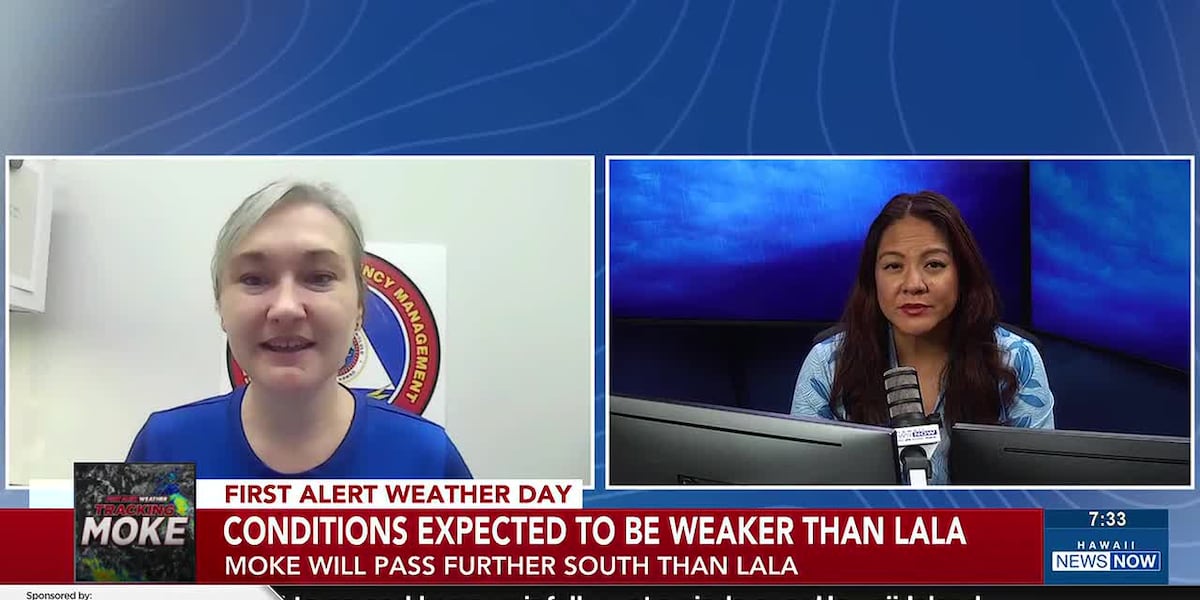
The approach of Tropical Storm Moke toward the Hawaiian Islands represents a critical inflection point for regional emergency management. Arriving in the immediate wake of Hurricane Lala, Moke’s impact is defined not by its independent intensity, but by its interaction with a degraded environment. The Honolulu Emergency Management Agency (HEMA) has shifted focus to the cumulative effects of sequential systems, where the threshold for infrastructure failure is significantly lower than during isolated seasonal events.
Spokesperson Molly Pierce notes that recovery from Lala is incomplete, leaving the built environment in a state of heightened susceptibility. The strategic concern is the role of Moke as a secondary stressor on a landscape that has reached its capacity for absorption and mechanical resistance. Consequently, HEMA is operating under a posture of heightened vigilance, recognizing that sub-hurricane force winds can now trigger systemic collapses.
Geotechnical Instability and Saturated Soil Dynamics
A primary driver of the current risk profile is extreme soil saturation. Hurricane Lala’s heavy precipitation fundamentally compromised the geotechnical stability of slopes and the foundational integrity of utility poles. In this context, the wind speeds required to uproot vegetation or topple infrastructure are drastically reduced. Saturated ground lacks the friction-based stability necessary to support weighted structures under lateral wind stress.
HEMA is monitoring these conditions as water-logged soil adds gravitational stress to embankments, creating a feedback loop where moderate rainfall from Moke could trigger rapid-onset flooding or landslides. The operational challenge lies in predicting failures within a landscape where traditional drainage mechanisms are currently overwhelmed or non-functional.
Infrastructure Fragility and the Electrical Distribution Network
The Hawaiian electrical grid remains in a precarious state. Many post-Lala repairs were temporary measures, leaving the distribution network vulnerable to minor environmental triggers. Wind-blown debris—ranging from damaged roofing to weakened tree limbs—now poses a disproportionate threat to regional energy security. These potential projectiles can bridge electrical circuits or cause mechanical failures in transformers that would otherwise withstand standard storm conditions.
Utility operations have pivoted from large-scale restoration to defensive monitoring and rapid-response mitigation. This includes pre-positioning assets in high-risk corridors, though logistical maneuvers are complicated by existing damage to the road network. The objective is to maintain mobility for repair crews despite the high probability of renewed blockages caused by Moke’s moderate winds and rainfall.
Meteorological Constraints and Hydrological Management
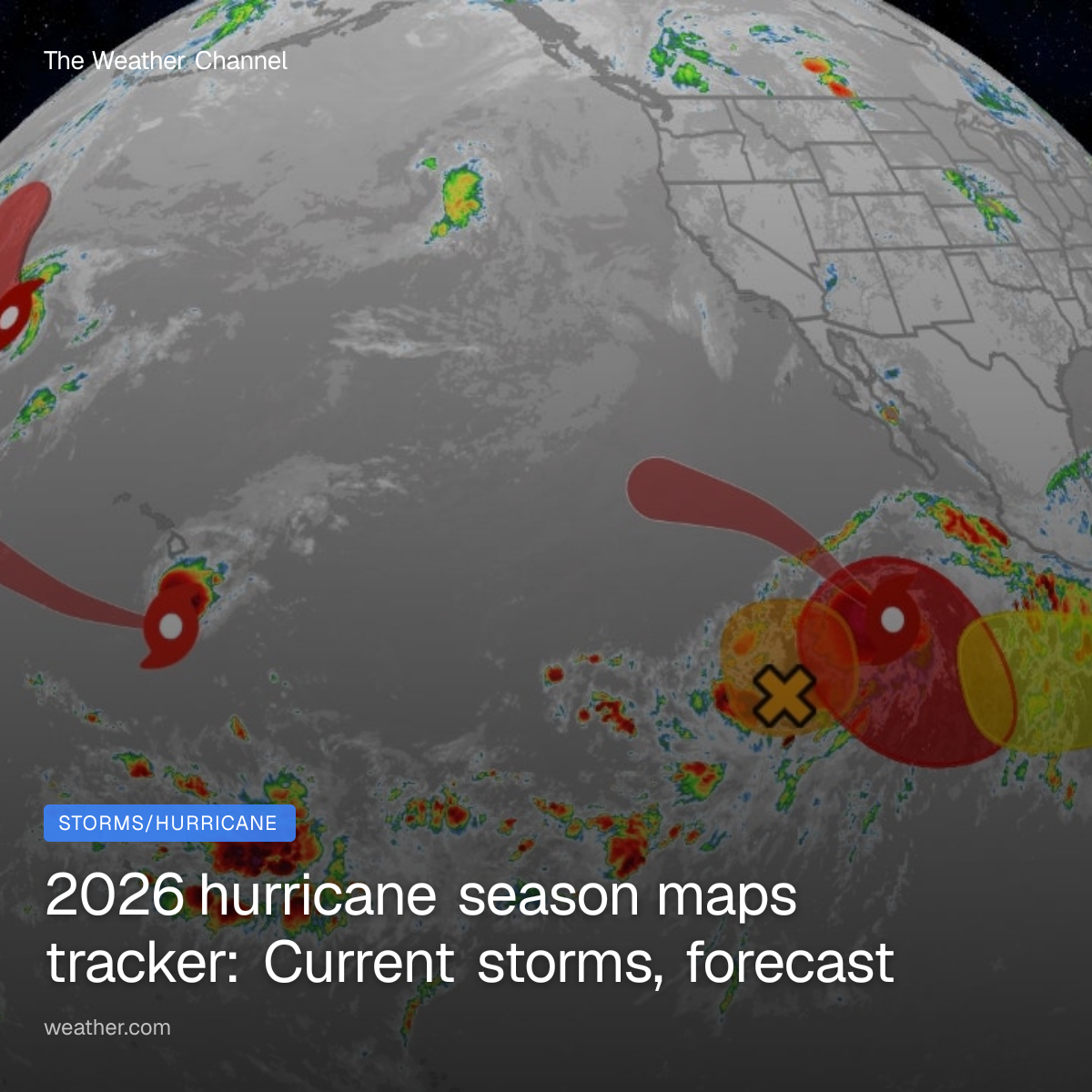
Meteorological data indicates that Moke’s development is currently inhibited by significant wind shear—indicated in purple on tracking maps—and the presence of dry, dusty air. While these factors cap the storm’s peak intensity, the hydrological threat remains acute. Because watersheds are at capacity, the lag time between precipitation and rising stream levels is significantly shortened.
HEMA is utilizing real-time sensor data to track stream levels, focusing on potential debris dams that could cause unpredictable water surges. By emphasizing that the ground is saturated and structures are unstable, the agency provides a technical rationale for continued public caution, ensuring that the lower classification of the storm does not lead to complacency.
Strategic Implications for the 2026 Season
The 2026 hurricane season, characterized by the high-frequency activation of systems like Iselle, Lala, and Moke, has tested the limits of institutional endurance and resource stockpiles. This high-tempo environment underscores the necessity for long-term grid modernization and infrastructure hardening. As officials look beyond the current threat, the focus will transition toward permanent resilience strategies to mitigate the vulnerability exposed by this season’s compounding atmospheric events.