Seismic Event Impacts Greater Tokyo Metropolitan Area
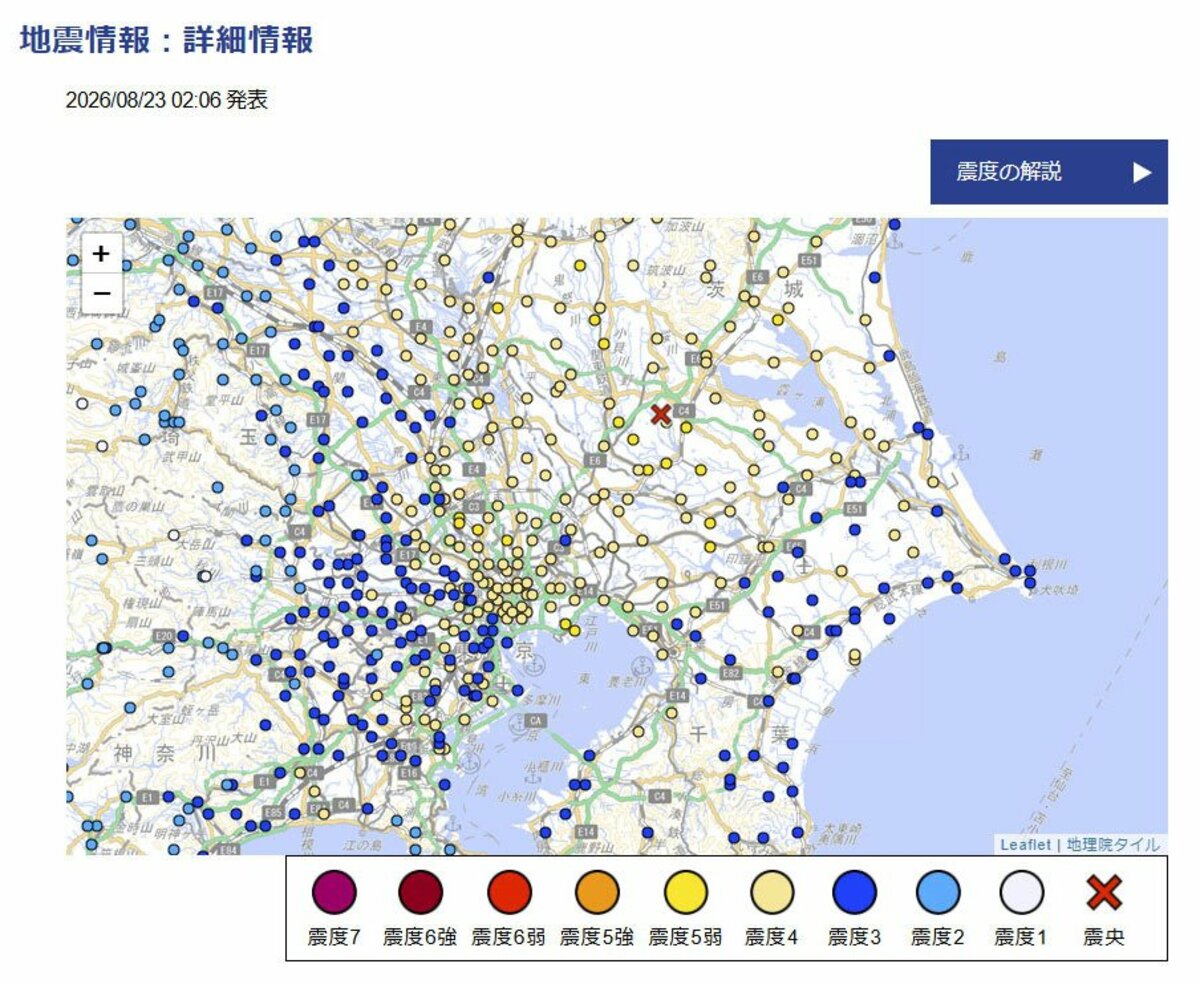
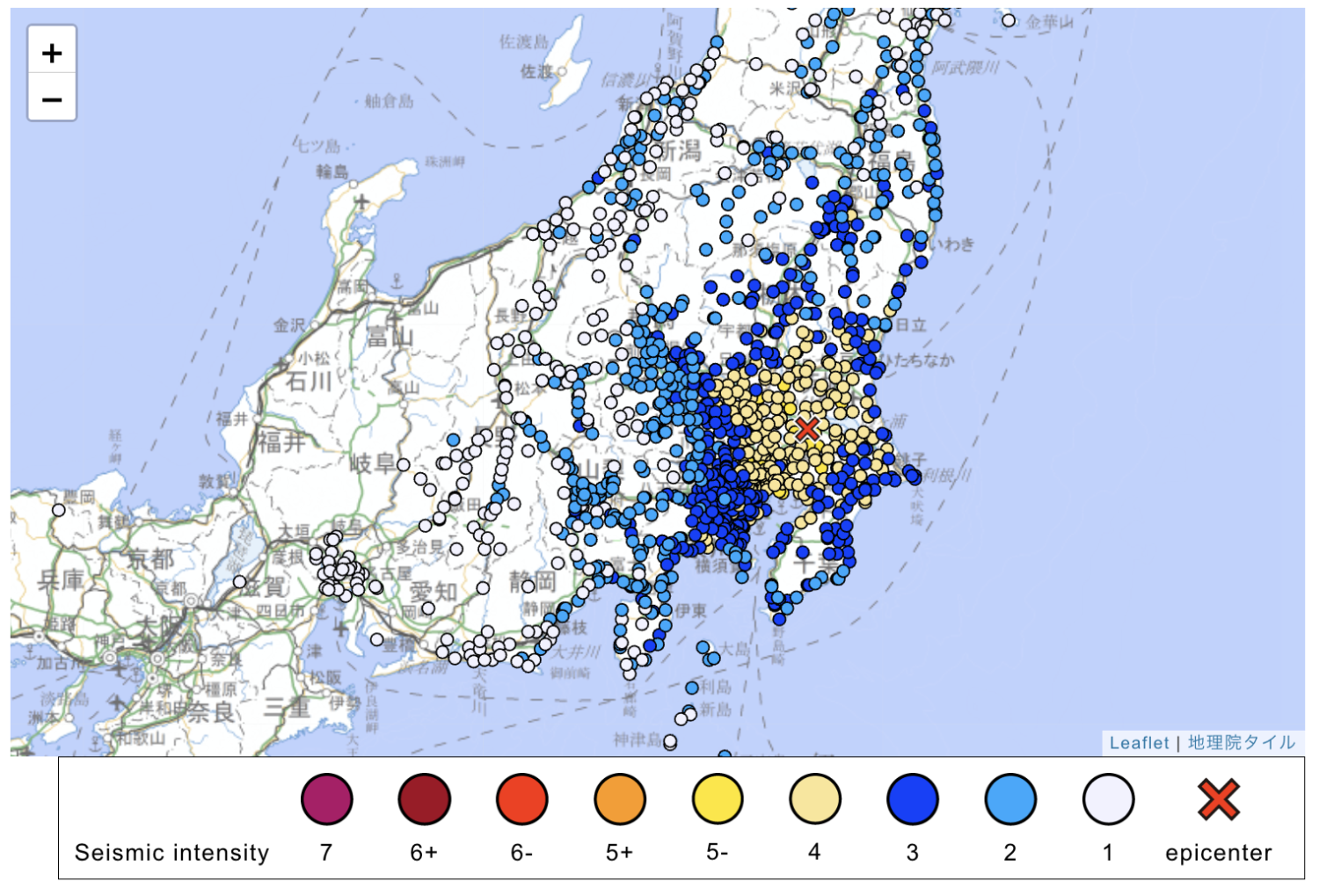
An earthquake with a preliminary magnitude of 5.9 struck eastern Japan on Sunday, August 23, centered in southern Ibaraki Prefecture at a depth of 68 kilometers. The Japan Meteorological Agency confirmed no tsunami threat, though emergency alerts were triggered across regional mobile devices.
The shaking lasted up to a minute, waking residents at approximately 2:00 a.m. local time. It registered a lower 5 intensity on Japan’s shindo scale in Tokyo’s Adachi Ward, as well as parts of Ibaraki, Saitama, and Chiba prefectures.
Casualties and Regional Injury Distribution
Authorities reported at least 37 injuries across Tokyo and neighboring prefectures. The Fire and Disaster Management Agency documented 15 injuries in Tokyo, nine in Saitama, eight in Kanagawa, four in Chiba, and one in Ibaraki. Most were classified as light, alongside one serious injury in Kanagawa.
First responders mobilized immediately to evaluate structural integrity, noting incidents such as a partial ceiling collapse at an unspecified location.
Infrastructure and Transportation Disruptions
Public transportation experienced operational adjustments as rail operators initiated safety protocols. JR East and regional operators reduced speeds and delayed services to inspect tracks.
The Keisei Line temporarily altered schedules before resuming normal operations, while select Tobu Railway express services remained halted for ongoing engineering evaluations.
Official Warnings and Public Vigilance
The Japan Meteorological Agency advised the public to remain vigilant for similarly strong seismic activity over the following week, adhering to standard protocols for tectonically active zones.
Government and disaster management agencies continue monitoring seismic data across Tokyo, Ibaraki, Saitama, Chiba, Kanagawa, Tochigi, and Gunma prefectures.