The high-profile injury of four-star quarterback commit Gunner Rivers during a nationally televised season opener introduces immediate operational friction for St. Michael Catholic and North Carolina State University. As a central figure in St. Michael Catholic’s offense and a foundational piece of NC State’s 2026 recruiting class, Rivers occupies a critical intersection of scholastic athletics and collegiate roster planning. The incident, occurring on Saturday, August 22, against Battle Ground Academy, highlights the volatility of athletic capital in modern football development.
Operating under elite prospect scrutiny, Rivers sustained a right knee injury during the first quarter after absorbing a hit while scrambling. St. Michael Catholic’s reliance on his execution became immediately evident as the offense struggled to maintain momentum post-departure. Although Rivers and the Cardinals opened with a scoring drive capped by a 26-yard screen pass to running back Nygel Mitchell, his removal caused an immediate tactical stall.
Programmatic Implications for Collegiate Recruiting
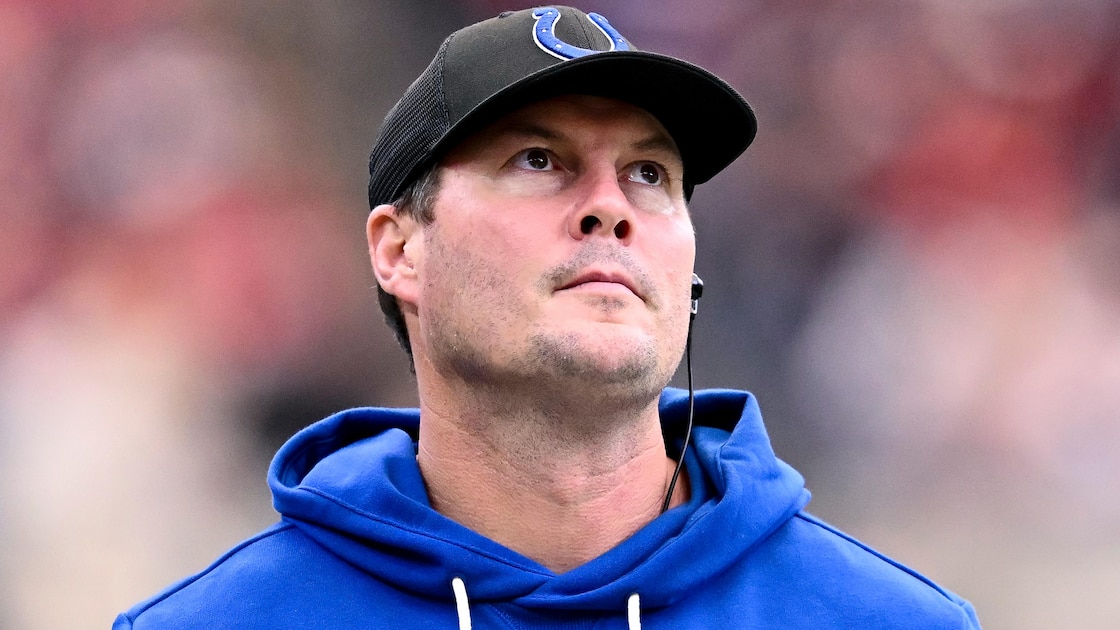
For NC State, securing a four-star quarterback represents a major investment in scouting resources and roster construction. Elite quarterback commits serve as institutional anchors, attracting complementary offensive talent. When such a prospect faces a health disruption, institutional response requires careful medical evaluation to protect both the athlete’s development and the program’s strategic timeline. Head coach Philip Rivers’ initial assessment suggesting no structural damage provides a preliminary baseline, though athletic departments maintain rigorous rehabilitation oversight.
The high-stakes, nationally televised early-season context amplifies physical exposure for elite prospects before foundational conditioning fully matures. For St. Michael Catholic, the challenge shifts to adapting without its primary decision-maker, underscoring the vulnerability of high school offenses dependent on a single elite talent.
Medical Evaluation and Long-Term Institutional Exposure
Rivers attempting warm-up passes at halftime before being ruled out illustrates standard precautionary protocols. Stakeholders constantly balance competitive urgency with long-term health preservation. In modern collegiate sports, commitments carry substantial strategic weight, meaning any medical setback directly impacts performance projections. Programs dependent on elite arrivals monitor these developments closely to manage tight rehabilitation horizons.
Ultimately, the incident underscores the fragile ecosystem surrounding high-value scholastic sports. While sideline reports indicated no structural damage, the impact on Rivers’ junior season and collegiate preparation depends on formal diagnostic evaluations. Both St. Michael Catholic and NC State must navigate the operational aftermath, balancing competitive goals with athlete health management.