Adapting legacy literary properties requires balancing cultural nostalgia with contemporary narrative expectations. When production entities tackle material deeply embedded in historical readership, the strategic calculus involves navigating both established fan bases and uninitiated audiences. Creative teams must decide whether to preserve archaic structural elements or impose modern framing devices to secure commercial viability across international markets.
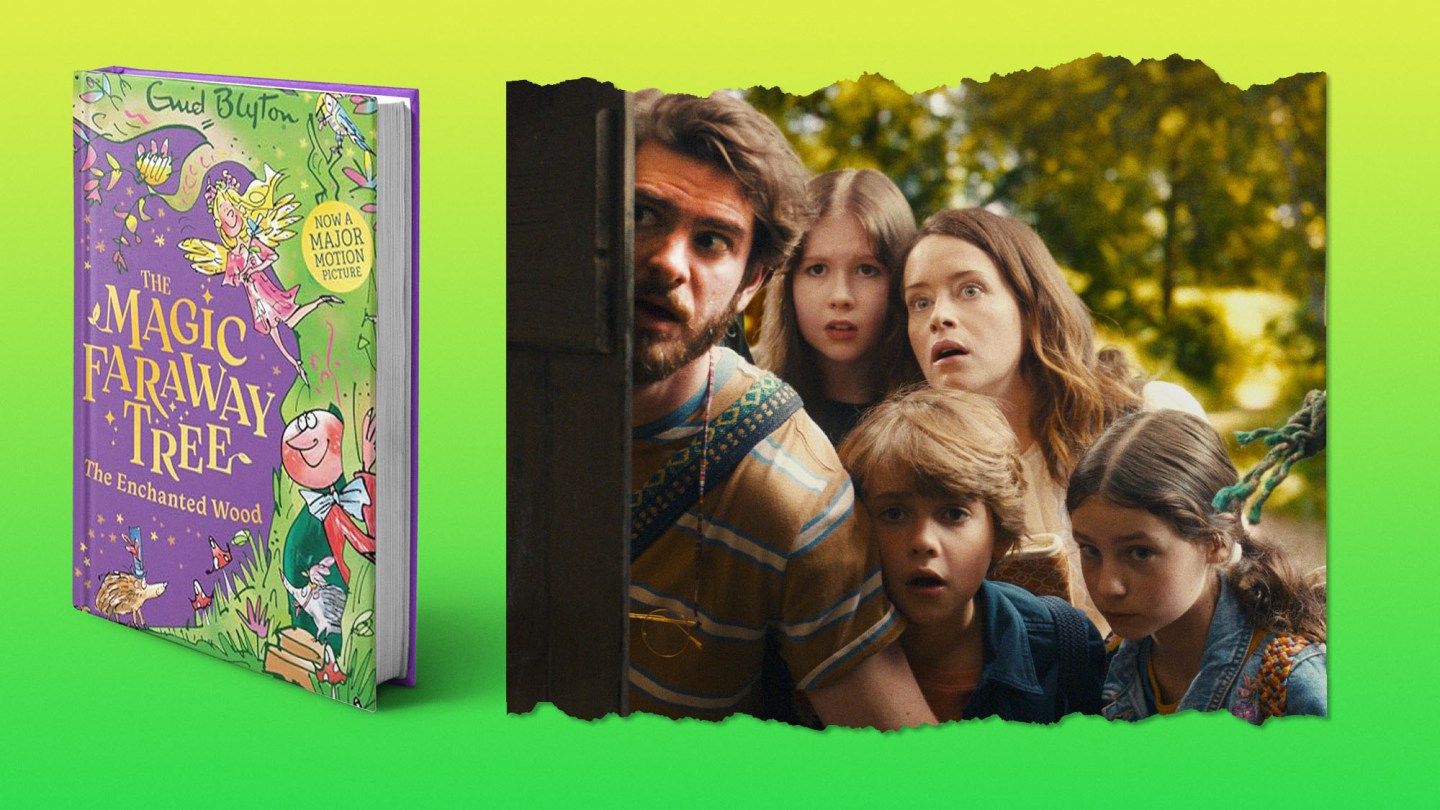
Director Ben Gregor and writer Simon Farnaby confronted these exact friction points while translating Enid Blyton’s 1943 mid-century British children’s novels to the screen. Managing a property of this vintage demands careful evaluation of how narrative cadence and world-building translate to modern viewers who lack the original mythological context. This transition exposes the risks of relying on legacy assumptions without providing sufficient exposition for contemporary audiences.
Securing a prominent ensemble cast alters the commercial profile of a literary adaptation, shifting risk distribution among financial backers and distribution partners. The inclusion of recognizable British talent serves as a strategic stabilizer, mitigating the uncertainty of introducing vintage fantasy concepts to younger demographics. This casting strategy provides institutional credibility, influencing how regional distributors and streaming platforms position the asset within competitive slates.
Critical reception of such adaptations often highlights the tension between maintaining source fidelity and ensuring narrative cohesion. Compressed timelines can leave significant information gaps, forcing uninitiated audiences to navigate dense fantasy rules without adequate onboarding. This structural limitation underscores the difficulty of condensing multi-volume book series into a single feature-length runtime.
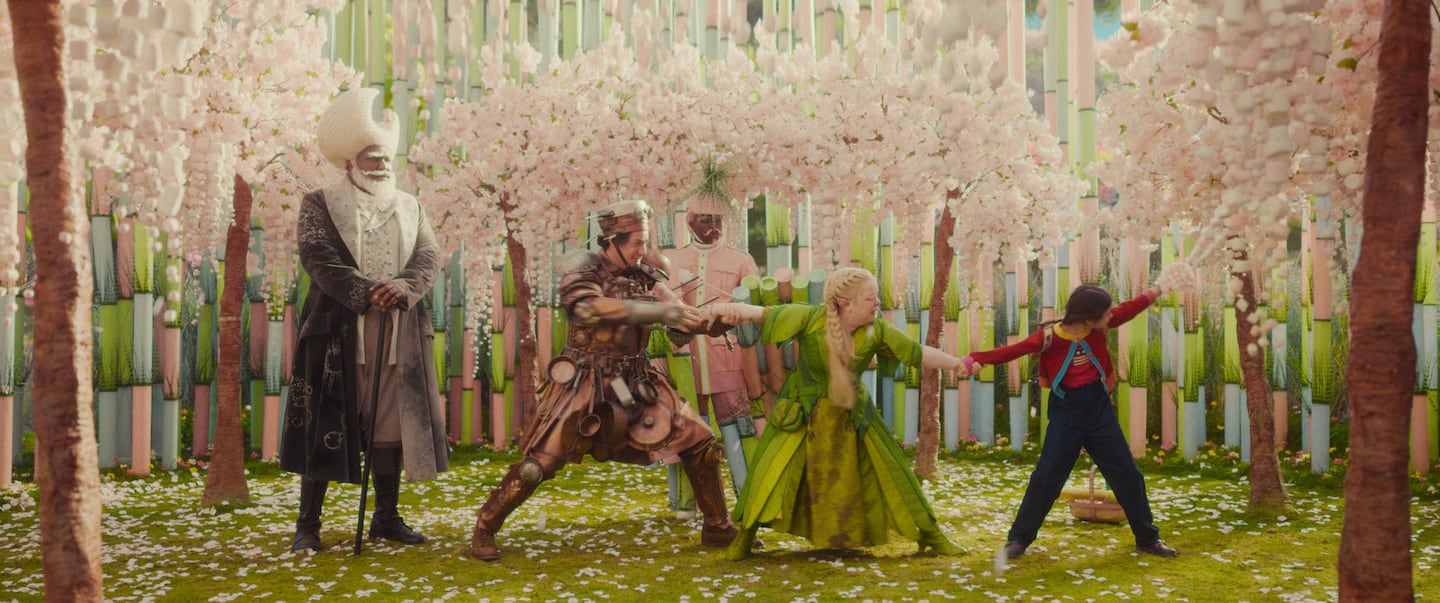
Production logistics frequently mirror the whimsical tone of the source material while serving grounded operational functions. Directors utilize controlled physical environments, such as bespoke greenhouses constructed for the production, to manage the pressure of large-scale fantasy filmmaking. These localized spaces offer creative sanctuaries that contrast with the commercial demands of managing high-profile talent and complex visual effects schedules.
The creative strategy behind building a franchise mythology dictates long-term commercial exploitation opportunities. By establishing foundational elements within the initial film, studios preserve the optionality required to greenlight sequels or expand the intellectual property across auxiliary media channels. Stakeholders evaluate these early creative choices through the lens of franchise sustainability and potential merchandise integration.
Navigating the tonal boundaries between genuine magical wonder and excessive whimsy remains a central challenge for directors emulating historical fantasy precedents. Comparisons to established cinematic benchmarks, such as Roald Dahl adaptations, illustrate the narrow margin between charming escapism and oversaturated artifice. Creative decisions regarding pacing, character motivation, and visual style directly influence how critics and audiences evaluate the adaptation’s integrity.
Ultimately, the financial and reputational exposure carried by intellectual property adaptations depends on the precise execution of inherited source material. Distributors and producers rely on the enduring brand equity of classic authors to capture multi-generational viewership while insulating themselves against creative missteps. The operational reality of this project reflects the complex trade-offs inherent in modern commercial filmmaking.