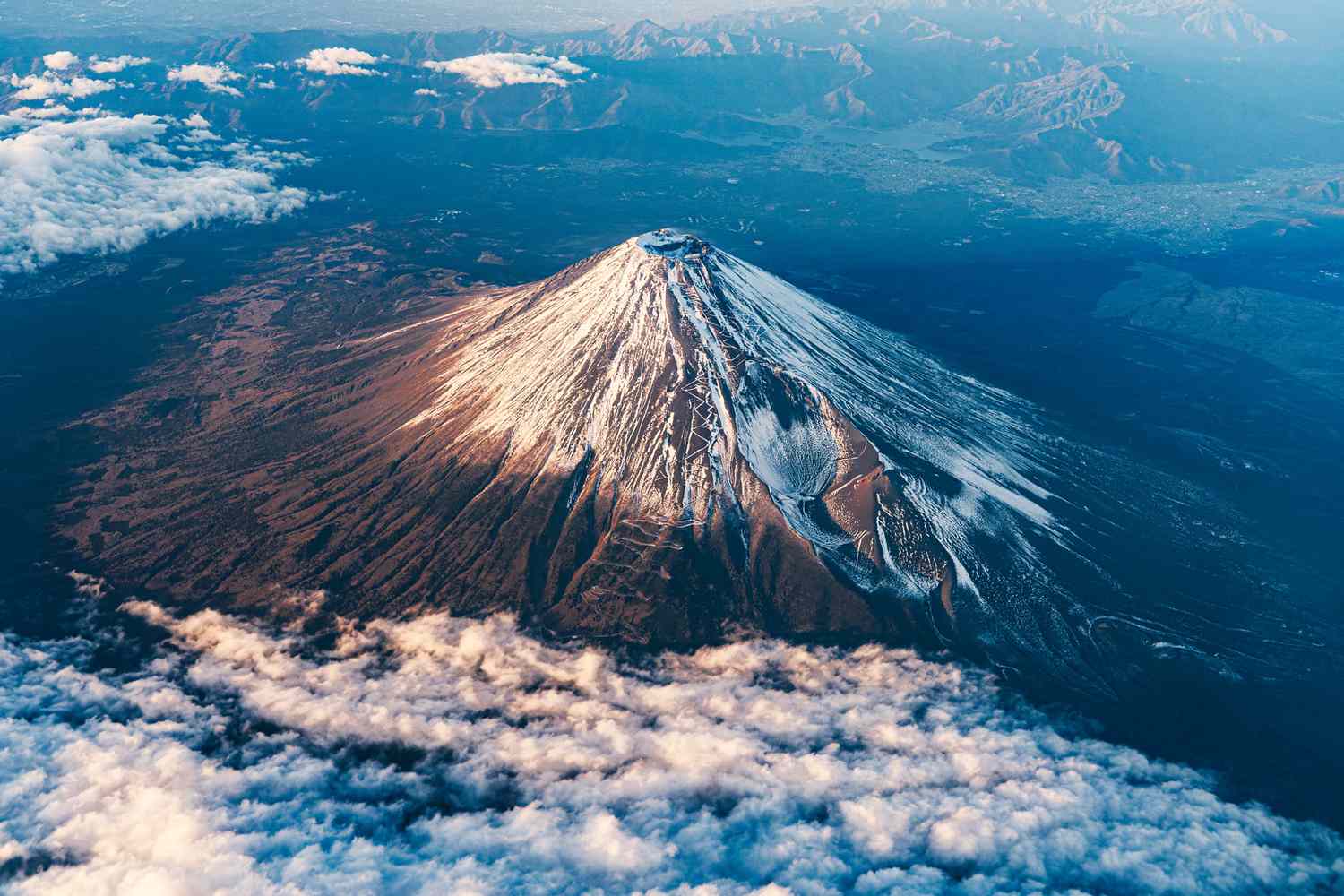
An alarming incident on Mount Fuji, Japan’s highest peak, has spotlighted critical deficiencies in alpine child supervision and the operational demands on high-altitude safety protocols during peak recreational seasons. Law enforcement authorities intervened after a 48-year-old father from Nagoya demonstrably jeopardized his seven-year-old son’s welfare, leaving him unattended at an intermediate station to continue his ascent with an older child.
The perilous oversight occurred on the Fujinomiya Trail during an early morning ascent. Upon reaching the trail’s sixth station, an elevation of approximately 2,500 meters (8,000 feet), the seven-year-old exhibited severe physical exhaustion, rendering him unable to continue the arduous climb.
Instead of prioritizing safety through descent or pausing the expedition, the father’s decision deviated critically from standard alpine practice. He instructed the fatigued minor to remain alone at the exposed high-altitude station, resuming his upward trek with his older son, a first-year junior high school student (aged twelve or thirteen).
High-Altitude Timelines and Risk Exposure
The child’s abandonment began around 4:30 a.m. Given standard mountaineering metrics—requiring approximately 7.5 hours for a round-trip ascent from the sixth station to the summit—the father’s actions portended a prolonged exposure of the minor to significant high-altitude risks and environmental hazards.
Fortunately, at approximately 7:40 a.m., a vigilant mountain hut worker discovered the child sitting alone on an exterior bench. Recognizing the imminent dangers of hypothermia and disorientation in high-altitude settings, the worker immediately provided shelter and initiated emergency contact with local police authorities, effectively averting a potential tragedy.
By the time law enforcement made contact, the father and older son had advanced significantly, reaching near the mountain’s eighth station. Police issued an immediate, unequivocal directive: abandon the summit attempt and descend to retrieve the abandoned minor.
Environmental Variables and Emergency Protocols
The severity of the situation was compounded by rapidly deteriorating environmental conditions at the time of the child’s discovery: heavy rain and dense fog. Such volatile atmospheric fluctuations are characteristic of Mount Fuji’s high-altitude environment, where precipitation and severely reduced visibility critically amplify risks of hypothermia and disorientation for unaccompanied, vulnerable individuals.
This successful intervention underscores the indispensable role of decentralized mountain infrastructure in bolstering public safety on high-traffic alpine routes. Mountain hut operators function as critical, informal monitoring layers, identifying behavioral anomalies and providing an immediate, localized response that often preempts more extensive formal administrative or police deployment.
Following the police intervention, the father expressed deep regret, acknowledging the severe gravity of his ‘rash decision.’ Jurisdictional police formally reprimanded him, subsequently utilizing the incident as a critical public safety advisory against the severe risks associated with unsupervised minors in alpine environments.
Institutional Oversight and Alpine Safety Dynamics
The institutional response to this event illuminates the complex interplay between individual recreational autonomy and the imperative for public safety compliance on heavily trafficked alpine routes. While Mount Fuji’s trails accommodate diverse demographics, established protocols mandate rigorous contingency planning and a heightened duty of care, especially for underage participants who inherently lack the self-sufficiency required in challenging alpine conditions.
Regulatory and rescue bodies consistently reiterate that high-altitude logistics demand collective party cohesion, actively discouraging group segmentation under physical duress. The Fujinomiya Trail intervention serves as a salient case study, demonstrating how rapid operational actions by on-site personnel and police containment were pivotal in preventing a severe systemic failure within recreational mountain management protocols.