Zayn’s SmackDown Betrayal Reshapes Undisputed Championship Landscape
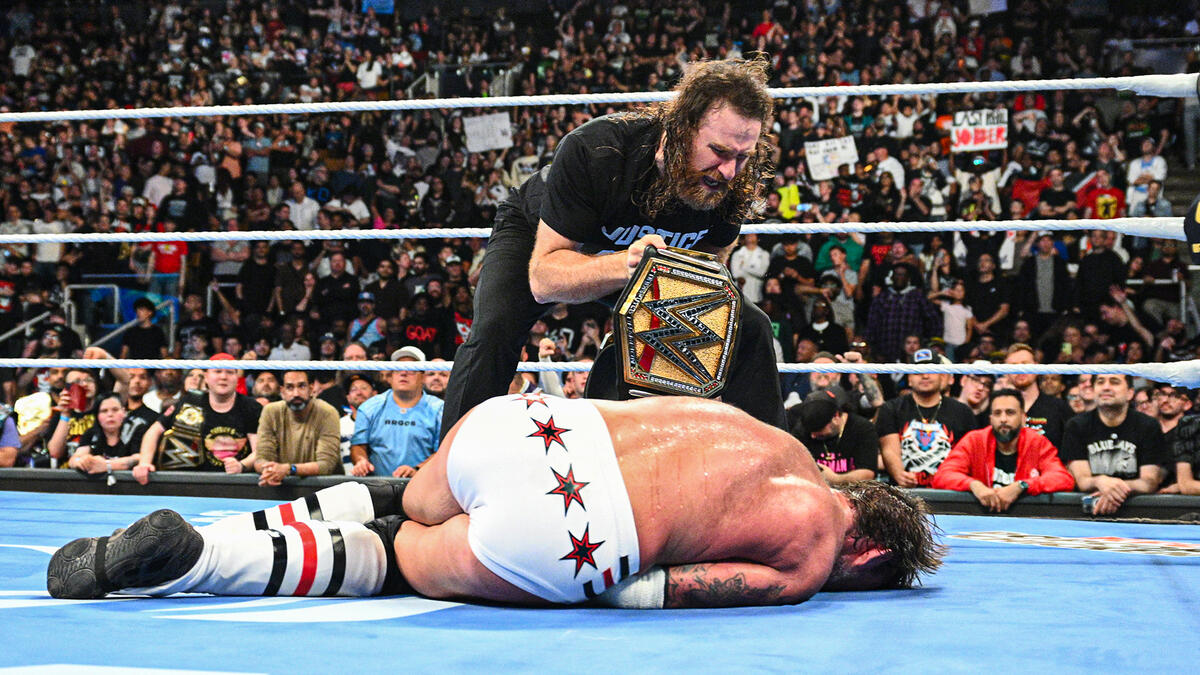
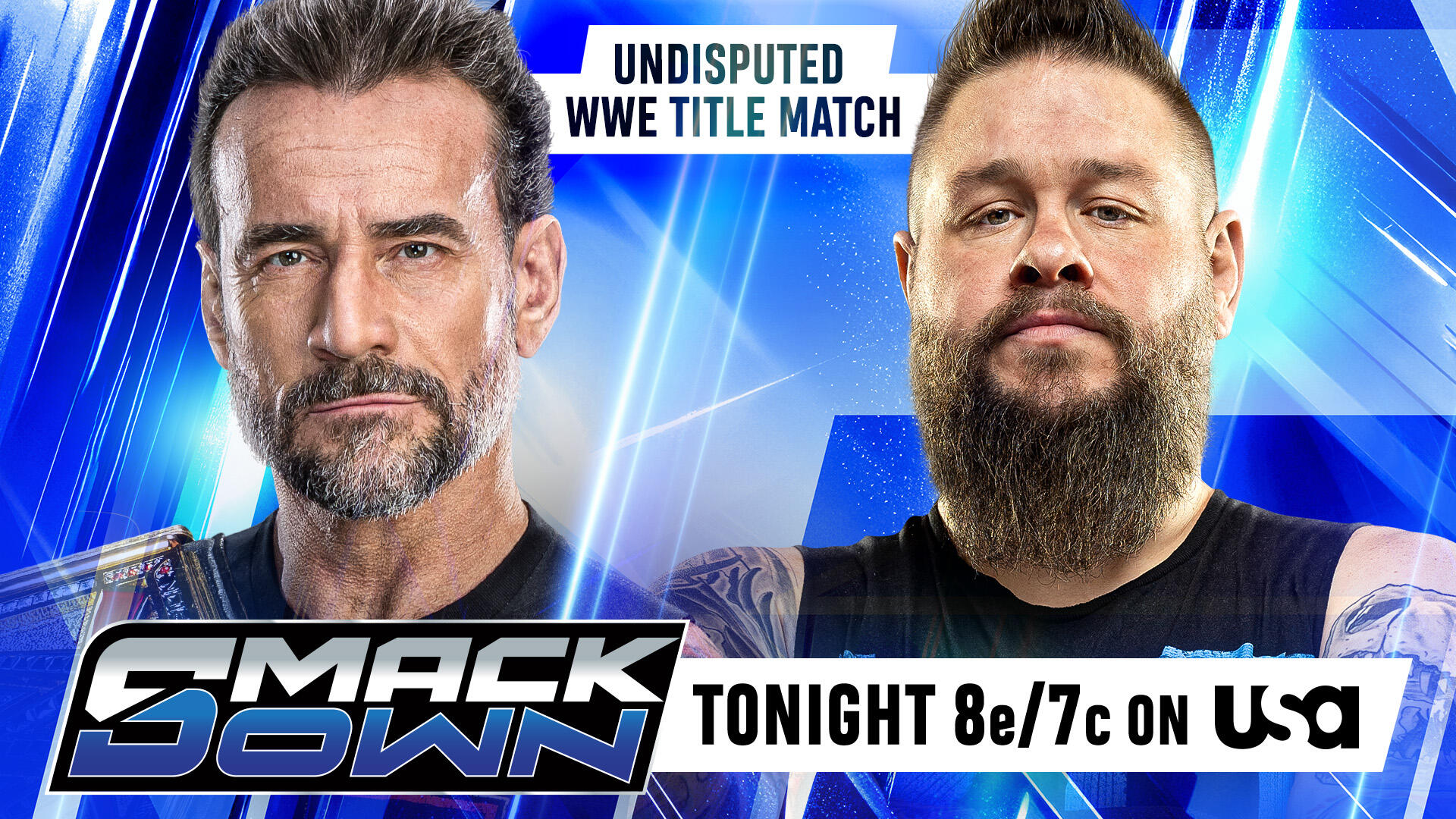
The August 21, 2026, edition of WWE SmackDown witnessed a seismic shift in the Undisputed WWE Championship narrative. Sami Zayn’s intervention in the main event between CM Punk and Kevin Owens not only preserved Punk’s championship reign via disqualification but also introduced profound new dynamics into existing rivalries, with immediate strategic implications for Owens and the wider contender landscape.
Zayn’s attack on Owens, following Owens’ refusal of assistance and subsequent placement in a vulnerable position for Punk, fundamentally challenges Owens’ championship aspirations. While Owens was reportedly a betting favorite, the outcome highlights professional wrestling’s reliance on narrative control over pre-match prognostication. This booking strategy, designed to protect Owens’ credibility while facilitating Punk’s retention, exemplifies common booking tactics for maintaining competitive balance and prolonging feuds.
Reports from Bryan Alvarez suggest the CM Punk vs. Kevin Owens match was conceived as a singular event, not part of an extended championship program. This indicates a creative focus on distinct, impactful moments and managing the championship’s narrative arc, potentially freeing up both talents for other significant storylines.
Kevin Owens’ return to in-ring action after a 15-month layoff due to neck surgery, culminating in this high-stakes championship opportunity in his home country of Canada, amplified the dramatic weight of the encounter. The Scotiabank Arena in Toronto provided a charged atmosphere, making the interference and subsequent loss particularly resonant for the live audience and Owens’ fanbase, underscoring WWE’s use of geographical and personal connections to enhance emotional investment.
The Tag Team Championship match saw the MFTs, with Haku observing and Damian Priest neutralized, retain against Damian Priest and R-Truth. This outcome solidifies the MFTs’ dominance and necessitates a strategic re-evaluation for Priest and R-Truth.
The aggressive attack by Blake Monroe on Giulia before their scheduled match suggests an escalation of rivalries. The removal of this match from initial previews indicates last-minute production adjustments, highlighting the fluid nature of live event planning.
Nick Aldis’s decree preventing Cody Rhodes and Randy Orton from engaging in physical altercations before Sunday Night’s Main Event introduces a significant constraint, controlling narrative pacing towards the major event and building anticipation.
Sami Zayn’s interference serves multiple narrative purposes: protecting Owens’ credibility post-injury, establishing Zayn as a disruptive force with his own agenda, and positioning him as a potential wildcard capable of influencing major championship matches, thereby expanding the pool of relevant antagonists and allies.
The betting favorite designation for Owens, despite his loss, reflects market confidence in his drawing power. However, it also underscores the complex interplay between fan perception, betting markets, and WWE’s creative control, demonstrating that market indicators do not dictate narrative outcomes.
Owens’ reintegration after a severe injury, culminating in a championship opportunity, signifies WWE’s investment in him as a key player capable of generating compelling storylines, even without a title win.
The match’s Canadian setting was strategically leveraged by WWE to enhance emotional resonance and crowd reaction, a common tactic for maximizing fan engagement.
The MFTs’ Tag Team Title defense, supported by Haku’s presence, aims to lend prestige to their championship reign and establish them as formidable champions.
The reported adjustments to the preview lineup, such as the removal of specific tag team and singles matches, highlight the dynamic nature of WWE’s production and creative planning, driven by factors like storyline refinement and prioritization of impact.
Zayn’s actions suggest a potential shift in allegiance or a personal vendetta against Owens, adding complexity to existing rivalries and creating opportunities for Zayn to become a central figure.
Aldis’s directive to Rhodes and Orton acts as a narrative control mechanism, heightening tension and ensuring any confrontations are strategically deployed for maximum dramatic effect.
The Undisputed WWE Championship picture is now complicated, with Punk’s controversial win leaving the title vulnerable. Owens faces a new personal conflict with Zayn, potentially delaying his immediate title pursuit.
The decision to make the Punk vs. Owens match a singular event suggests leveraging their star power in separate storylines moving forward, allowing for broader utilization across the roster.
Managing these interwoven storylines requires sophisticated booking. Zayn’s interference creates new conflict points and potential future matchups, sustaining audience interest.
Championship feuds involving top stars like Punk and Owens are significant revenue drivers. Strategic management aims to maximize commercial appeal and long-term profitability.
Punk retains the championship, but the narrative uncertainty surrounding his victory can be exploited in future storylines. Owens must navigate his new conflict with Zayn, impacting his character development and championship ambitions.
Zayn’s decisive interference signals a willingness to disrupt established rivalries for compelling narratives, potentially leading to unpredictable twists that keep the audience engaged.
Owens’ exposure to betrayal from Zayn, especially in his home country, creates a powerful emotional hook, exploring themes of loyalty and vendettas crucial for audience engagement.
The cascading effects of this event will ripple through the roster, complicating the championship picture, solidifying the MFTs’ status, and adding intrigue to the build-up towards Sunday Night’s Main Event.
Zayn’s pivotal role capitalizes on his popularity and capacity for generating strong emotional reactions, elevating stakes and introducing an unpredictable element.
The events of August 21, 2026, exemplify the intricate planning, narrative development, and strategic booking inherent in professional wrestling, highlighting the industry’s dynamic evolution to maintain audience interest and relevance.