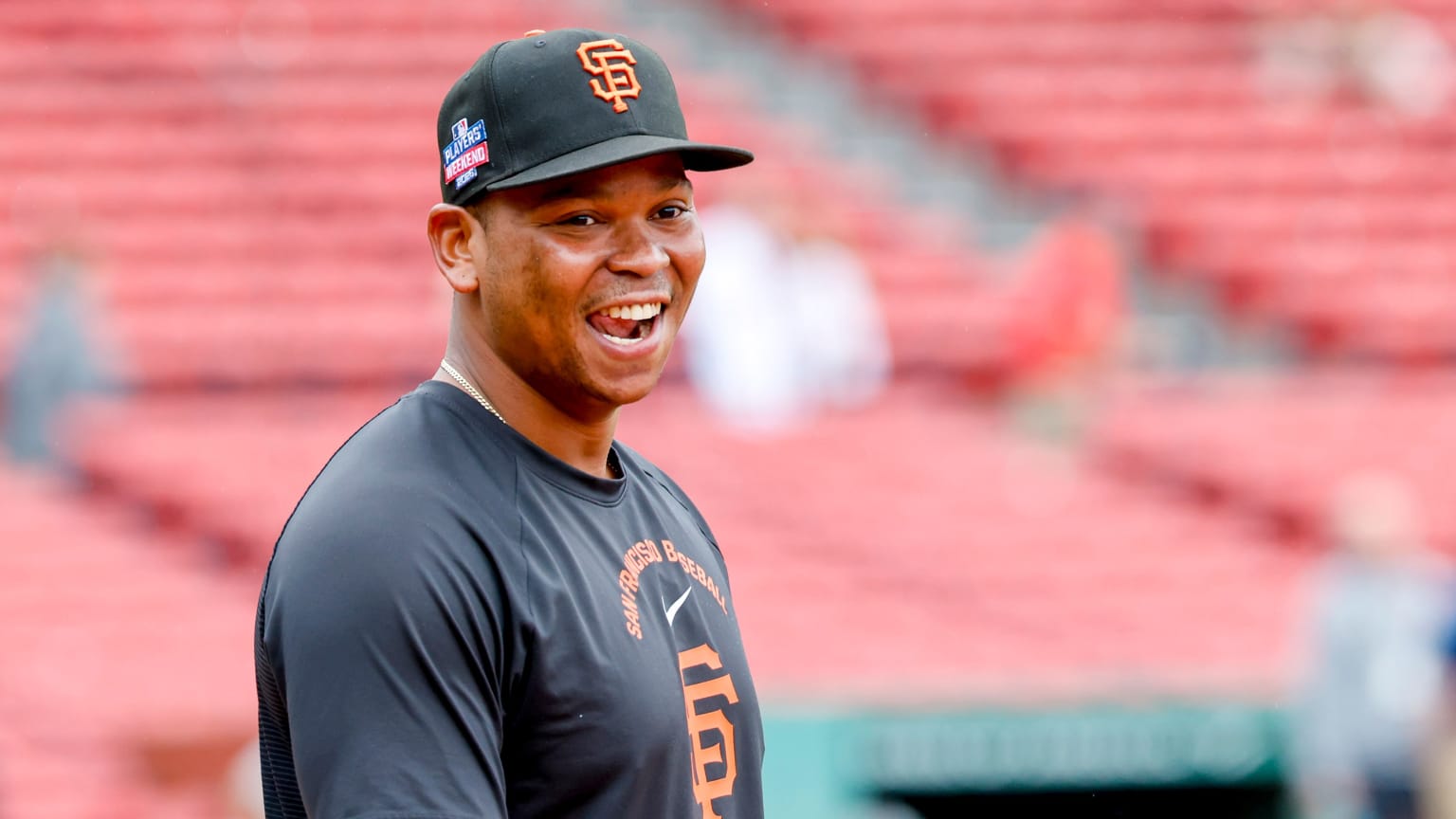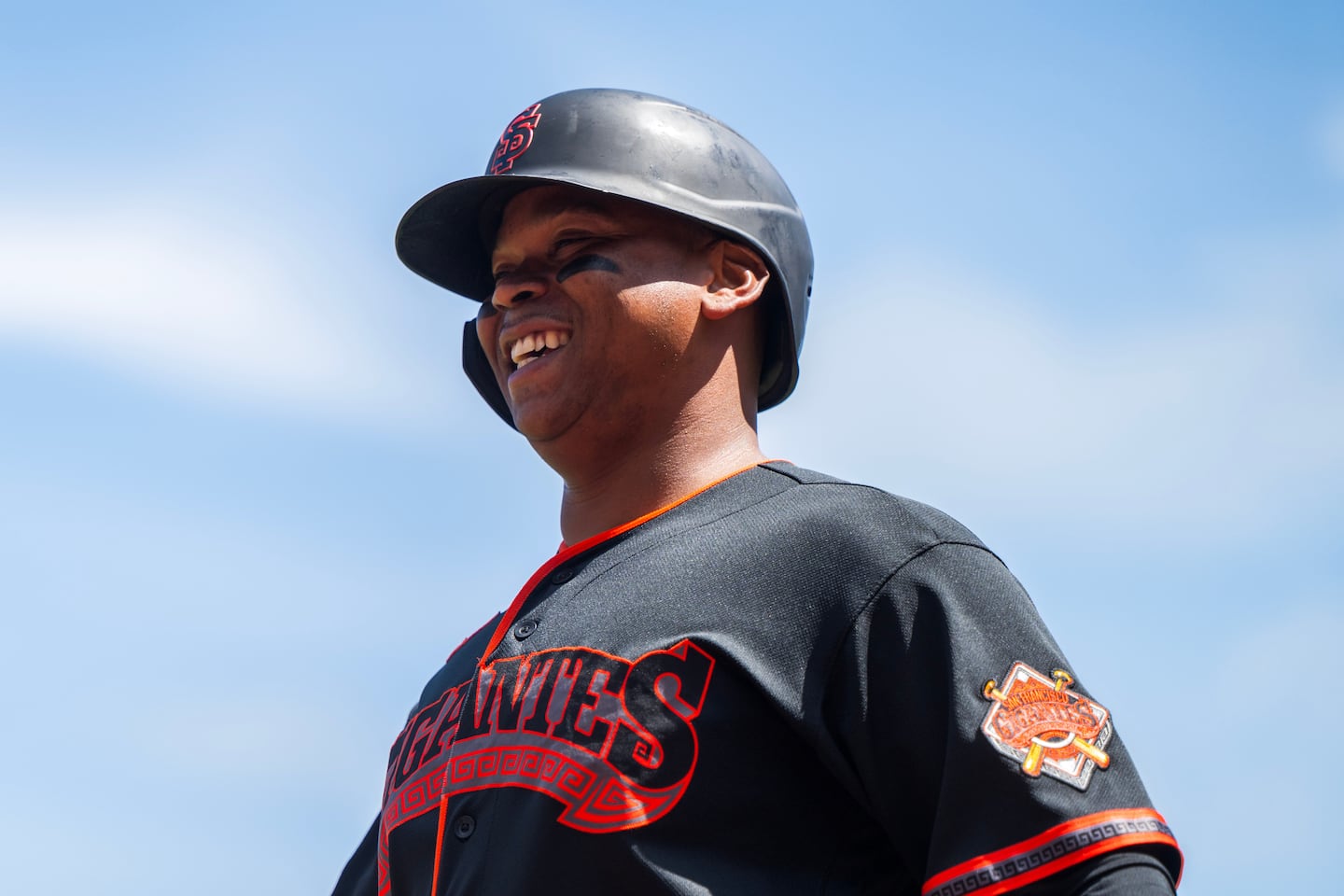
Rafael Devers returned to Fenway Park as a member of the San Francisco Giants, marking his first appearance at the venue since his trade from the Boston Red Sox. Addressing the media from the visitors’ dugout, the veteran infielder and designated hitter reflected on his eight-plus seasons in Boston and the organizational realignment that led to his departure.
Devers earned three All-Star selections as a core offensive catalyst for Boston before front-office acquisitions altered the team’s infield hierarchy. The primary catalyst for friction was the signing of free-agent third baseman Alex Bregman, a move that forced a structural reassessment of defensive responsibilities and designated hitter utilization.
Roster Restructuring and Positional Friction
The acquisition of Bregman created an operational impasse. Devers initially resisted a permanent shift to designated hitter and declined an assignment to first base during his final months in Boston, leaving management with a positional logjam.
To resolve this redundancy, the front office engineered a trade to San Francisco, transferring Devers’s offensive profile to the National League. This transaction highlighted the institutional leverage major league clubs employ when veteran player preferences conflict with long-term roster optimization.
Defensive Adaptation in San Francisco
In San Francisco, Devers has integrated smoothly into a hybrid workload spanning designated hitter and first base. Crediting Giants infield coach Ron Washington, Devers acknowledged a renewed mechanical comfort at first base.
"I want to thank Ron Washington for working with me," Devers stated. This tactical pivot represents a notable evolution in defensive versatility compared to the rigid alignment constraints that characterized the end of his tenure in Boston.
Fan Sentiment and Market Reception
Devers’s return introduces complex dynamics regarding local fan reception. Despite years of productive performance, the abrupt nature of his exit left lingering questions concerning how spectators would greet him.
Prior to the series opener, Devers acknowledged the unpredictable atmosphere: "I don’t know what to expect… I don’t know if they’re going to cheer; I don’t know what they’re going to do." Nevertheless, he expressed enduring appreciation for the Boston fan base, emphasizing the sustained backing he received throughout his tenure.
Strategic Alignment and Institutional Lessons
The trajectory of Devers’s career pivot underscores the precarious balance between elite player retention and systemic roster planning. While Boston reallocated capital to secure Bregman at third base, San Francisco successfully integrated a middle-of-the-order bat into a flexible defensive scheme, offering a case study in modern roster management.