Wyoming Republicans Select Gubernatorial and Senate Nominees
Wyoming Republicans have nominated former state House Speaker Eric Barlow as their gubernatorial candidate, positioning him to succeed outgoing Governor Mark Gordon. Barlow emerged victorious from a four-way primary, overcoming State Superintendent Megan Degenfelder and Marine Corps Colonel Brent Bien. The nomination sets the stage for a general election against Democrat Kenneth Casner, with the outcome expected to reinforce the state’s strong Republican leanings.
Governor Mark Gordon’s decision not to seek a third term, despite considering challenging term limits, created an open gubernatorial race. This strategic opening influenced the primary dynamics and the subsequent general election landscape. Barlow’s victory, particularly against a field that included established political figures and one reportedly endorsed by a major national figure, underscores the nuances of voter preference beyond direct endorsements.
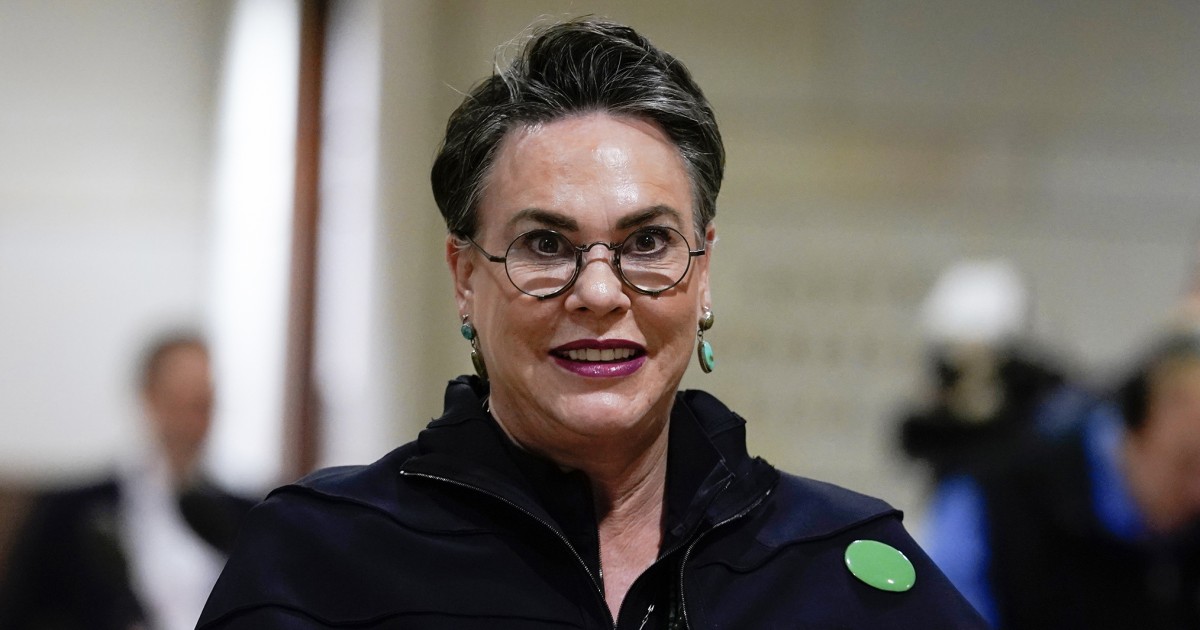
In the race for Wyoming’s open Senate seat, Rep. Harriet Hageman secured the Republican nomination. Her candidacy was significantly bolstered by the endorsement of former President Donald Trump, a decisive factor in her primary win. This aligns with her 2022 victory where she unseated Rep. Liz Cheney with Trump’s backing, highlighting the enduring influence of presidential endorsements in Wyoming’s Republican primaries and suggesting a continued alignment with Trump-aligned candidates.
Trump’s explicit endorsement, emphasizing Hageman’s consistent representation for Wyoming, was delivered via Truth Social. The Senate primary field also included former Kirby Mayor Sam Mead, who self-funded his campaign, and whose family has political lineage, including former Governor Matt Mead. This competition illustrates the interplay of legacy and new political forces within the state’s Republican party.
The strategic implications of these primary outcomes extend beyond state-level politics, reflecting broader trends in the Republican Party’s ideological direction and the persistent influence of Donald Trump in electoral contests. Wyoming’s deep-red political identity offers a lens into the party’s internal dynamics and candidate selection processes in conservative strongholds.
Barlow’s gubernatorial primary win, especially its competitive nature, suggests an electorate that, while broadly conservative, may weigh multiple factors beyond a single endorsement. The performance of candidates like Degenfelder, who secured a strong second place, indicates a competitive primary environment with diverse voter preferences.
The general election matchups will pit Barlow against Casner and Hageman against her Democratic opponent. Given Wyoming’s voting patterns, Republican nominees are typically favored, but these campaigns will involve strategic outreach and resource allocation. Hageman’s path to the Senate will be closely monitored as a gauge of Trump’s sway in Republican politics and his ability to influence federal races.
The competitive landscape for the Senate seat, marked by Hageman’s previous ouster of Liz Cheney, exemplifies the high stakes and ideological divisions within the Republican Party. This dynamic underscores the importance of candidate alignment with key party factions and the strategic deployment of endorsements.
Financial implications for the general election campaigns will be substantial, with both Barlow and Hageman expected to benefit from party support and fundraising. The Senate race, in particular, may attract significant national political spending, influencing media coverage and voter engagement.
These outcomes highlight the critical role of candidate positioning within the Republican Party, especially concerning alignment with Donald Trump. His endorsements have demonstrably impacted these races, influencing voter perception and campaign momentum.
The strategic decisions of candidates, including their engagement with Trump’s endorsement and their ability to mobilize grassroots support, have proven critical in navigating Wyoming’s primaries, reflecting a broader trend where direct presidential affirmation is a powerful electoral asset.
The performance of candidates like Degenfelder, achieving significant support, demonstrates a competitive primary where multiple candidates can garner substantial backing, suggesting engaged voters and diverse preferences within the Republican base.
The general election matchups in Wyoming will provide further insight into the state’s political trajectory and the effectiveness of various campaign strategies, offering data for analyzing broader national political trends and the Republican Party’s electoral performance.
Wyoming’s historical political landscape, marked by a consistent Republican majority, frames these primary results as indicative of the party’s enduring strength. However, the specific dynamics of these races, including the role of endorsements and candidate profiles, offer a granular understanding of current electoral forces.
The strategic decisions of incumbents, such as Governor Gordon’s choice not to run, can create pivotal moments that reshape the political field, allowing new candidates to test their appeal within the party structure.
The participation of diverse candidates, even those not achieving victory like a professional bull rider, reflects the broad spectrum of individuals engaging in the political process and contributes to the narrative of candidate diversity and voter engagement.
The financial backing of candidates, exemplified by Sam Mead’s self-funding, highlights varied resource strategies in primary campaigns, significantly influencing a campaign’s reach and its ability to communicate its message.
The media’s coverage of these primaries, amplifying endorsements and candidate narratives, plays a crucial role in shaping public perception and influencing voter decision-making.
Wyoming’s institutional political structures, including term limits and primary rules, frame these electoral battles. Understanding these structures is essential for analyzing candidate strategies and election outcomes.
The competitive leverage of endorsements from high-profile figures like Donald Trump is a significant factor in modern political campaigns. Hageman’s success underscores the strategic value of such endorsements in mobilizing a base and influencing undecided voters.
Candidate performance leverage is measured by their ability to connect with voters on key issues and effectively communicate policy positions. In Wyoming, this often emphasizes conservative principles and state-specific concerns.
The capital movement in these campaigns, both financial and political, is a critical indicator of a candidate’s viability and success. High investment levels signal strong support and robust infrastructure.
Incentives for candidates in a deep-red state like Wyoming are geared towards securing the Republican nomination, often guaranteeing general election success, leading to intense intra-party competition to appeal to the core base.
Candidate exposure to public scrutiny through debates, interviews, and events is crucial for voters to assess qualifications and platforms, influencing their final decision.
The downstream effects of these primary results will be felt in the general election, shaping the legislative agenda and policy debates in Wyoming.
Competitive implications for the national Republican Party are noteworthy, as Wyoming’s results contribute to the narrative of the party’s direction and its dominance in conservative states.
Strategic decisions by the Trump campaign and its allies in supporting candidates will be analyzed for their effectiveness, potentially influencing future campaign strategies and candidate recruitment.
The performance leverage of established political figures versus newer challengers is a recurring theme, with Barlow’s victory suggesting the effectiveness of experience and a strong base within the state party apparatus.
Capital movement in the Senate race is likely to be substantial due to the national significance of the seat and potential for high-profile spending.
The incentive for candidates to align with or distance themselves from national political figures is a key strategic consideration, with Trump’s influence appearing significant for Wyoming Republicans.
Wyoming’s political landscape’s exposure to national trends, such as presidential endorsements, demonstrates the integration of national political dynamics into state-level contests.
Downstream effects on policy implementation and legislative priorities in Wyoming will be shaped by elected officials, with the conservative mandate suggested by primary results likely influencing the state’s policy direction.
Competitive implications for the Democratic Party in Wyoming are significant, as they face the challenge of competing in a strongly Republican state, requiring strategies to mobilize their base and identify swing voters.
Strategic positioning of candidates on key policy issues like economic development, energy, and resource management will be critical in the general election, as these issues resonate deeply with Wyoming voters.
Candidate performance leverage is enhanced by a strong campaign organization and effective strategy execution, including voter outreach, fundraising, and message dissemination.
Capital movement in the gubernatorial race, while potentially less intense than the Senate contest, will be a key determinant of campaign reach and effectiveness, as financial resources are essential for advertising, staffing, and voter mobilization.
The incentive for candidates to appeal to a broad coalition of voters within their party is paramount, often requiring a balance of factional demands and diverse constituent concerns.
Candidate exposure to voter engagement through town halls, rallies, and community events is vital for building support and demonstrating responsiveness, providing direct feedback and opportunities to refine campaign messages.
Downstream effects on Wyoming’s representation in Congress will be determined by the Senate race outcome, with a Republican victory likely reinforcing the state’s conservative voting bloc in the U.S. Senate.
Competitive implications for the national Republican Party are tied to its ability to maintain and expand influence in states like Wyoming, with these victories serving as indicators of overall party strength and appeal.
Strategic decisions by party leadership regarding candidate support and resource allocation can significantly impact electoral outcomes, as illustrated by Donald Trump’s backing.
Performance leverage of a candidate’s ability to articulate a compelling vision and connect emotionally with voters is often as important as their policy proposals.
Capital movement in political campaigns is a complex ecosystem involving various donors, PACs, and party committees, underpinning electoral contests financially.
The incentive for candidates to engage in robust fundraising is driven by the understanding that financial resources are a prerequisite for competitive campaigns in the current political environment.
Exposure of political campaigns to public scrutiny and media analysis means every strategic decision and public statement is subject to interpretation and potential impact on voter perception.
The downstream effects of these elections will shape policy debates in Wyoming for years, influencing state budgets to regulatory frameworks.
Competitive implications for both major parties will be assessed based on their ability to mobilize voters and persuade undecideds in the general election, especially in a state with a strong partisan identity.
Strategic alignment of candidates with prevailing political sentiments of their party’s base is critical for securing primary victories, as demonstrated by the influence of endorsements.
Performance leverage of a candidate’s track record and perceived ability to govern effectively are key considerations for voters, particularly for executive positions.
Capital movement in these campaigns reflects the financial stakes and the importance of resources in communicating a candidate’s message and mobilizing supporters.
The incentive for candidates to build strong campaign organizations and effectively manage resources is a direct consequence of the competitive nature of electoral politics.
Exposure of candidates to the electoral process, from primary debates to general election forums, allows voters to evaluate leadership qualities and policy proposals.
The downstream effects of these elections will contribute to the ongoing evolution of the Republican Party’s identity and electoral strategies in conservative strongholds across the U.S.
Competitive implications for the state’s political future are significant, as elected officials will set policy and represent Wyoming’s interests at state and federal levels.
Strategic decisions of party leaders in endorsing and supporting candidates can profoundly impact election outcomes, as seen in Donald Trump’s backing.
Performance leverage of a candidate’s ability to connect with voters on issues like economic opportunity and resource development will be key to their success.
Capital movement in these races, including expenditures and fundraising, provides insights into candidate resources and strategic approaches to voter outreach.
The incentive for candidates to engage in extensive voter outreach and build broad coalitions reflects the competitive nature of electoral processes, even in a predominantly Republican state.
Exposure of candidates to public debate and scrutiny is an essential component of the democratic process, enabling informed voter decisions.
The downstream effects of these elections will shape Wyoming’s political landscape for the next electoral cycle, influencing party strategies and candidate recruitment.
Competitive implications for the Republican Party in maintaining its dominance in Wyoming are significant, as these nominations are expected to translate into general election victories.
Strategic alignment of candidates with core Republican platform tenets, particularly in a conservative state, is critical for securing party nominations.
Performance leverage of a candidate’s ability to articulate a clear vision for the state and inspire voter confidence will be crucial in the general election campaign.
Capital movement in these races, including campaign expenditures and fundraising efforts, offers insights into candidate resources and strategic approaches to reaching voters.
The incentive for candidates to mobilize supporters and engage in effective get-out-the-vote efforts is a direct consequence of the competitive nature of the electoral process.
Exposure of candidates to media and public discourse allows for a thorough examination of their qualifications, policy positions, and leadership potential.
The downstream effects of these elections will contribute to the ongoing evolution of the Republican Party’s identity and its electoral strategies in conservative strongholds across the United States.